Indonesia returns to rice exports with initial 1,000-tonne Malaysia deal
Indonesia has agreed to export an initial 1,000 tonnes of premium rice to Malaysia, with potential annual volumes of 200,000 tonnes. The move is backed by projected 2026 output of 38.6 million tonnes and national stocks of about 5.2 million tonnes.
Indonesia tests a return to the export market
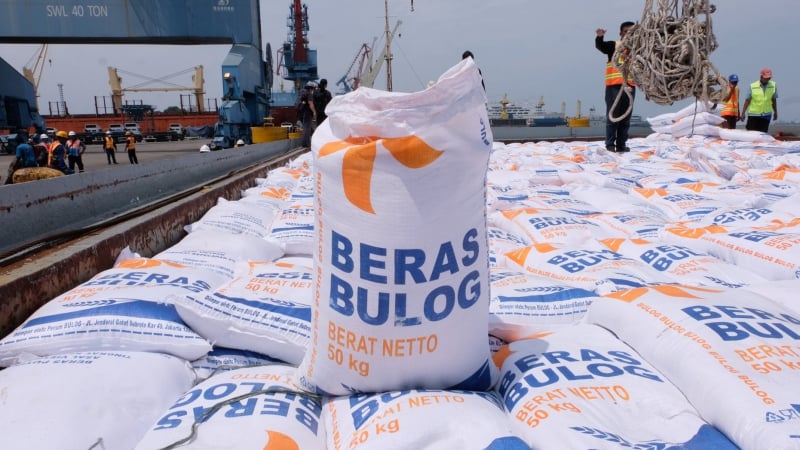
Indonesia is returning to the international rice market through an agreement to export an initial 1,000 tonnes of premium rice to Malaysia. The arrangement could eventually expand to 200,000 tonnes a year, according to Dan Viet, citing the latest bulletin from the Vietnam Food Association.
The first volume is small relative to regional trade, but it marks a notable change for a country that has generally concentrated on protecting domestic supply and has previously imported rice in volumes measured in millions of tonnes. The transaction gives Indonesia an opportunity to test its ability to supply premium grades without weakening food security at home.
Production and reserves support the decision
Indonesia's rice production in 2026 is projected at about 38.6 million tonnes, while national reserves have risen to approximately 5.2 million tonnes. Government stocks were reported at roughly 5.17 million tonnes as of 21 August. These inventories, together with domestic production, have allowed the government to consider exports while maintaining a buffer for the local market.
For January through September, rice output allocated to food consumption is forecast at 28.71 million tonnes. Production over January–October 2026 is expected to remain broadly unchanged from the previous year. Indonesia currently has no plan to import rice in 2026, although a significant deterioration in weather conditions could alter that position.
Malaysia offers a natural nearby market
Malaysia is a logical destination because of its proximity and its reliance on foreign rice. Its imports are projected at around 1.6 million tonnes. An Indonesian supply programme of 200,000 tonnes a year would therefore be commercially relevant, although it would still represent only part of Malaysia's overall import requirement.
The deal may increase competition among suppliers serving Southeast Asia, particularly in higher-quality segments. Much will depend on whether Indonesia can offer consistent specifications, volumes and delivery schedules while keeping domestic prices and reserves stable. The initial 1,000-tonne transaction will provide a limited but practical test of that capacity.
Weather and productivity remain decisive
Weather is the main production risk. Dry conditions associated with El Niño could reduce water availability, and the Indonesian government has responded by deploying more than 80,000 water pumps and promoting drought-tolerant rice varieties. Large reserves reduce immediate supply risk, but sustained exports would require production to remain resilient through less favourable growing conditions.
Indonesia also plans to expand high-yield varieties developed by the Indonesian Center for Rice Agriculture Modernization. The varieties can produce 10–13 tonnes per hectare. Under advanced farming systems, reported yields have risen to 11–12 tonnes per hectare from 5–6 tonnes previously. The government intends to subsidise improved seed for at least 1 million hectares in 2027. If those gains can be achieved at scale, Indonesia could strengthen food security, raise farm income and establish a more durable exportable surplus. Until then, the Malaysia deal should be viewed as an initial market entry supported by unusually large stocks rather than proof of a permanent shift in Indonesia's trade position.