Indonesia Rules Out Shutting Coal Industry, Pushes 100 GWp Renewables Plan
Presidential Special Envoy for Climate and Energy Hashim Djojohadikusumo said Indonesia will not commit "economic suicide" by closing its coal industry, tying coal-fired power to electricity access obligations. In the same speech he pointed to a 100 GWp sustainable energy programme, a 7 GW nuclear plan and continued biofuel policy. The stance signals no near-term phase-out of coal for producers and buyers.
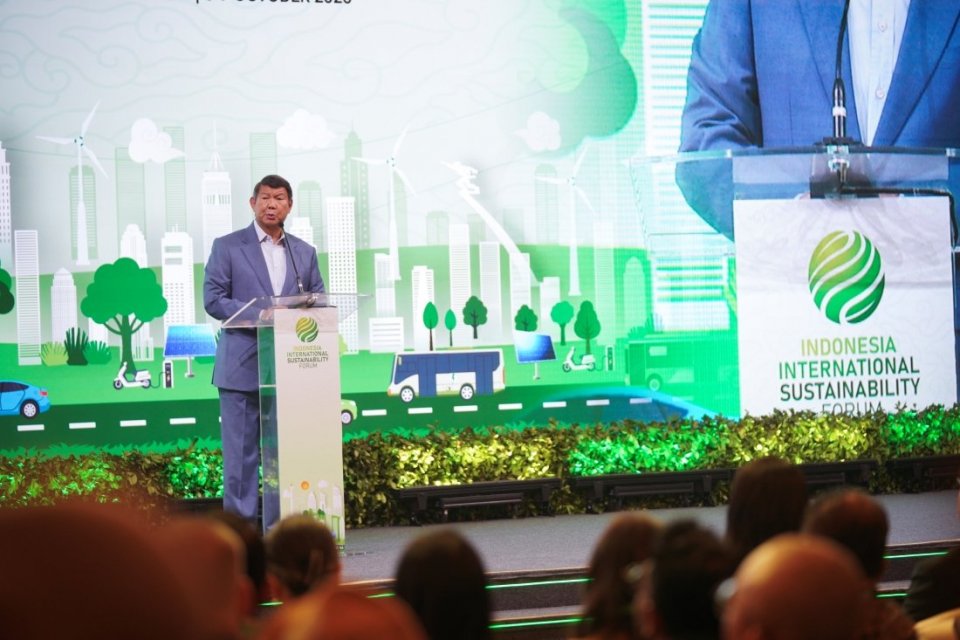
Indonesia will not close down its coal industry as part of its energy transition, Presidential Special Envoy for Climate and Energy Hashim Djojohadikusumo said in Jakarta on Tuesday, describing such a step as economic self-harm. “Indonesia does not want to commit economic suicide by shutting down our coal industry,” he said in a speech at the Indonesia International Sustainability Forum, as reported by Katadata.co.id.
Hashim, a brother of President Prabowo Subianto, presented the position as part of a national energy self-sufficiency strategy rather than as opposition to renewable power. In the same address he pointed to a 100 GWp sustainable energy programme, a plan for 7 GW of nuclear capacity and the continuation of the country’s biofuel policy, signalling that coal is to be kept in the system while new capacity is added alongside it rather than instead of it.
Electricity access as the core argument
Hashim said that as a civilised nation, the state owes its citizens a decent life. “That means we have to provide citizens with electricity, so they can light their homes, children can study at night, and clinics and hospitals in villages can get electricity when it is needed,” he said, according to Katadata.co.id. The formulation puts reliability and universal access ahead of the pace of decarbonisation in the government’s stated order of priorities.
At the same time, he said Indonesia understands its rising exposure to disasters, from earthquakes to typhoons, floods and tsunamis. That risk, he said, is why the government has launched a 100 GWp sustainable energy programme among the many programmes it is running. Indonesia is endowed with sustainable energy resources including geothermal, solar and hydropower, he added: “It means we want to free ourselves from dependence on fossil fuels.”
100 GWp of solar, 7 GW of nuclear, biofuel retained
The projects Hashim named give a sense of the scale the government is targeting and of the capital it will need to attract:
- A 100 GWp solar power programme already under way, which President Prabowo has set a three-year deadline to complete.
- Around 7 GW of nuclear capacity, which Hashim said he understood to be part of the national energy master plan, based on what he had last heard from PLN chief executive Darmawan Prasodjo.
- Geothermal, solar and hydro resources, cited as the basis for reducing fossil fuel dependence.
- Continued biofuel development, which the government is maintaining to limit the national economy’s vulnerability to global conditions.
Addressing the forum audience directly, Hashim turned to PLN’s chief executive on the solar programme: “I know you came here because you want to know about that, Mr Darmawan Prasodjo, please open the door for them, I know you need [partners/investors],” he said, according to Katadata.co.id. The remark was an explicit invitation to foreign partners and financiers at an event aimed at that audience.
What it means for producers and buyers
For coal producers, the statement signals that policy risk in Indonesia, one of the world’s largest thermal coal suppliers, is not about a near-term shutdown of mining. The government is tying coal-fired output to electricity supply obligations, which makes an abrupt collapse in domestic demand unlikely while generation capacity is being rebuilt. The binding constraint is more likely to come from how fast new solar, geothermal, hydro and eventually nuclear capacity displaces coal-fired generation at home, and from how buyers in importing markets adjust their own procurement.
For buyers and traders, the practical question is sequencing. A 100 GWp solar programme delivered on a three-year timetable would change the domestic generation mix quickly; delivered slowly, it leaves domestic coal burn and export availability broadly where they are. Nuclear at 7 GW is a longer-dated item, described by Hashim as part of the master plan rather than as a project under construction. Biofuel continuity matters most for feedstock and blending markets. Katadata.co.id reported no revision to coal production targets or export rules in Hashim’s remarks.