Indonesia Orders Recall of Three Fortified Rice Brands Over Label Discrepancies
Indonesia’s Trade Ministry ordered producers to withdraw three fortified rice brands after tests found nutrient levels below their label claims. All 12 brands tested met the regulatory minimum, but three failed to deliver the higher nutrient content stated on their packaging.
Three products ordered off the market
Indonesia’s Ministry of Trade has ordered producers to withdraw three brands of fortified rice after laboratory tests found that their nutrient content did not match claims printed on the packaging. According to detikFinance, the measured nutrient levels in the three products were lower than the values declared by their manufacturers.
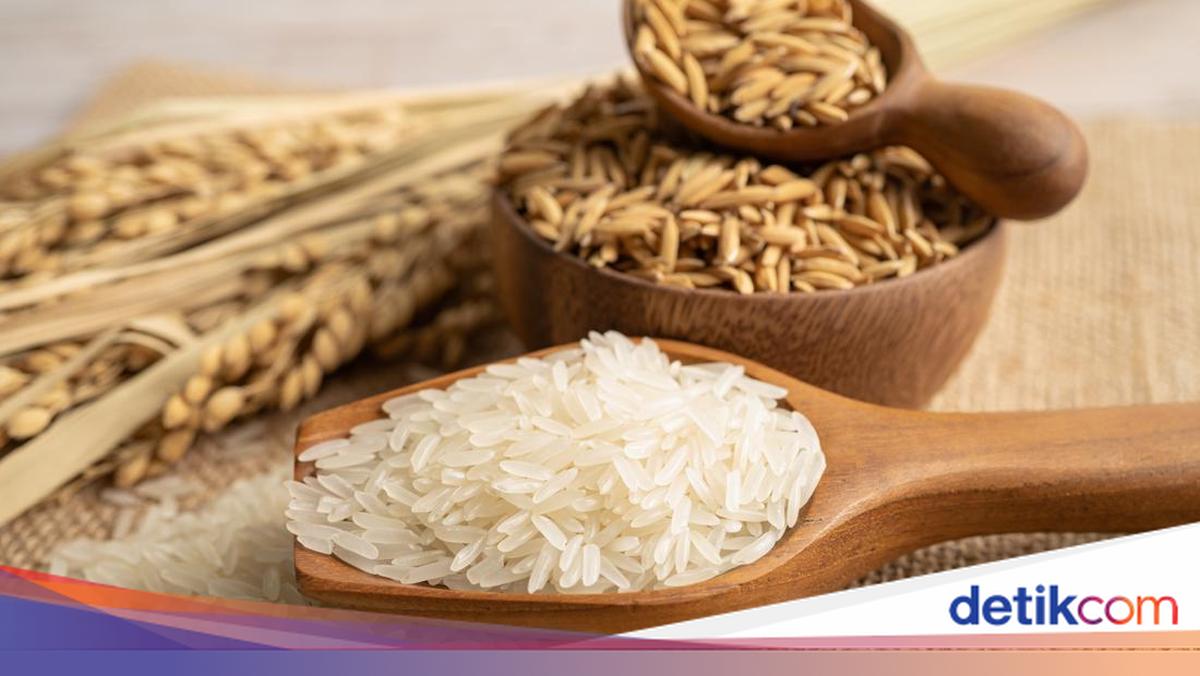
Fortified rice is conventional rice enhanced with vitamins, minerals or other nutrients. The category is intended to improve the nutritional value of a staple food, but the investigation has also focused on whether the products’ higher retail prices are supported by measurable benefits.
Moga Simatupang, director general of consumer protection and trade compliance at the ministry, said officials tested 12 of the 40 fortified rice brands holding distribution permits in Indonesia. The tested products represented more than 10% of the permitted fortified-rice samples, he said on 31 August 2026.
All samples cleared the minimum threshold
Every tested brand met the minimum nutrient-content requirement of 10% of the Reference Nutrient Value or Recommended Dietary Allowance. The threshold is set by National Food Agency Regulation No. 2 of 2023.
Compliance with the minimum standard did not, however, guarantee that the products matched their individual packaging claims. Nine of the 12 brands, or 75%, contained nutrient levels consistent with their labels. Three brands, representing 25% of the tested group, recorded nutrient content below the values claimed.
The ministry has sent formal notices instructing the producers concerned to remove the affected rice from circulation and adjust the products so that their nutrient content corresponds with the labels. The source report did not identify the three brands or disclose the size, value or geographic reach of the recall.
Producers face broader compliance scrutiny
Simatupang warned that producers could face criminal sanctions if fortified rice that remains below its declared nutrient content continues to circulate. The action therefore concerns inaccurate product claims rather than failure to meet the basic 10% regulatory threshold.
The government had previously begun examining fortified rice sold at prices substantially above medium-grade and premium rice. The review covers vitamin and mineral content, physical rice quality, net weight, product legality, production processes and the accuracy of packaging information.
Hermawan, director of oversight for the application of food safety and quality standards at the National Food Agency, said on 6 August 2026 that fortification should improve nutritional value but must not be used to justify excessive price increases. Higher-priced rice should provide corresponding quality and benefits to consumers, he said.
Implications for the fortified-rice market
The recall raises compliance requirements for producers, processors and retailers across the category. Manufacturers must be able to demonstrate that nutrient additions remain at declared levels through production, storage and sale, while retailers may need stronger documentation from suppliers before stocking premium-priced fortified products.
For market participants, the distinction between minimum regulatory compliance and compliance with a voluntary label claim is material. A product can satisfy the statutory nutrient floor and still be withdrawn if its packaging promises a higher level. The tests may consequently encourage tighter formulation controls, laboratory verification and label reviews among Indonesia’s remaining permitted brands.