Indonesia’s PTPN I develops sugarcane bioethanol capacity of 100 kilolitres per day
Indonesia’s state plantation company PTPN I is developing capacity to produce 100 kilolitres of sugarcane-based bioethanol per day. Kontan reports that the downstream processing project is intended to support national energy resilience.
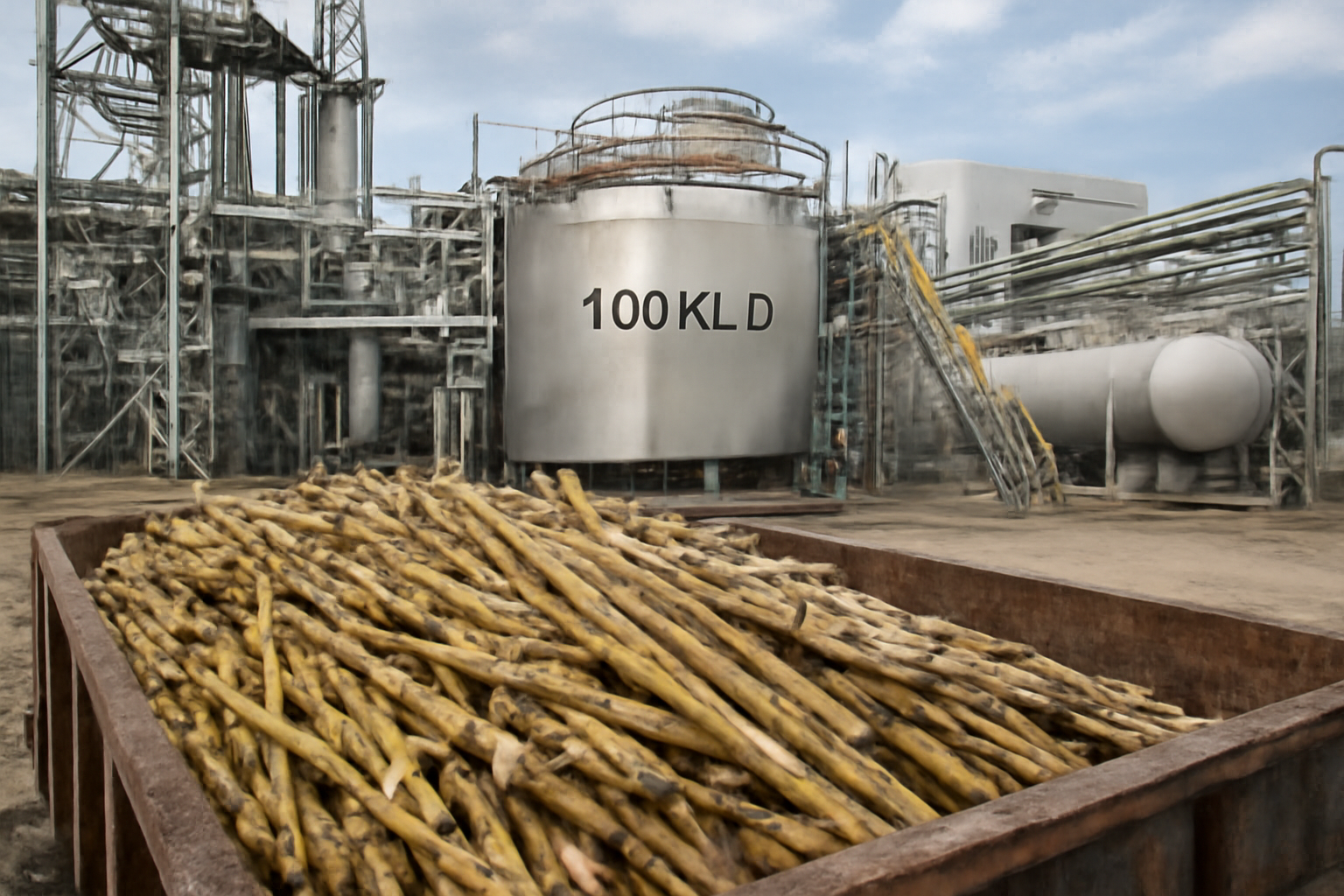
Plantation group moves further into fuel production
Indonesia’s state plantation company PTPN I is developing capacity to produce bioethanol from sugarcane, extending its activities further into downstream processing. According to Kontan, the planned production capacity is 100 kilolitres per day and the project forms part of efforts to strengthen Indonesia’s national energy resilience.
At full stated capacity, the operation would add a sizeable daily stream of domestically produced ethanol derived from an agricultural feedstock. The announcement establishes the plant’s intended daily capacity, but the available source material does not specify a commissioning date, investment value, construction schedule or current stage of development. It also does not identify the expected annual operating rate.
Those missing details will determine how quickly the project can influence Indonesia’s fuel and sugarcane markets. Daily nameplate capacity does not by itself show annual output, because actual production depends on commissioning, maintenance, feedstock availability and the number of operating days.
Sugarcane gains an additional downstream outlet
For PTPN I, converting sugarcane into bioethanol creates a fuel-oriented outlet alongside the crop’s established role in sugar production. This can broaden the commercial use of harvested cane, but it also makes feedstock allocation an important operational question. The source material does not disclose how much sugarcane the facility will require or whether its supply will come from existing plantation output, additional cultivation or third-party growers.
The balance between sugar and ethanol production matters to processors and agricultural suppliers. If cane is redirected from sugar manufacturing, the project could affect raw-material availability for mills. If it relies on incremental production or processing residues, the impact on the existing sugar chain could be more limited. No allocation plan or feedstock formula was provided in the available report.
Producers will therefore watch procurement terms, plant location and the expected harvest catchment. These factors shape transport costs, cane freshness and the commercial reach of the facility. They will also indicate whether the project primarily strengthens PTPN I’s own integrated operations or creates a wider market for independent growers.
Energy impact depends on market integration
Kontan presents the development as part of Indonesia’s effort to reinforce national energy resilience. Domestic bioethanol can support that objective by adding a locally produced liquid-fuel component. However, the scale of its market impact will depend on how the output is used, priced and distributed.
The available information does not state whether the ethanol will be sold for fuel blending, supplied to a specific buyer or directed to another market. It also gives no details about fuel specifications, distribution infrastructure or purchase arrangements. These points are central for refiners, fuel distributors and investors assessing whether the announced capacity can translate into stable commercial demand.
The project nonetheless signals a closer connection between Indonesia’s plantation and energy sectors. PTPN I’s 100-kilolitre-per-day target gives the market a concrete measure of intended capacity. The next decisive disclosures will be the start-up timetable, feedstock plan, expected utilisation and route to market.