Indonesia promotes waste biomass as a coal substitute at power plants
PLN EPI is developing an integrated waste-biomass ecosystem to reduce coal use at Indonesian power plants. The initiative combines a spoke-and-hub model with digitalization in support of the country’s net-zero emissions target.
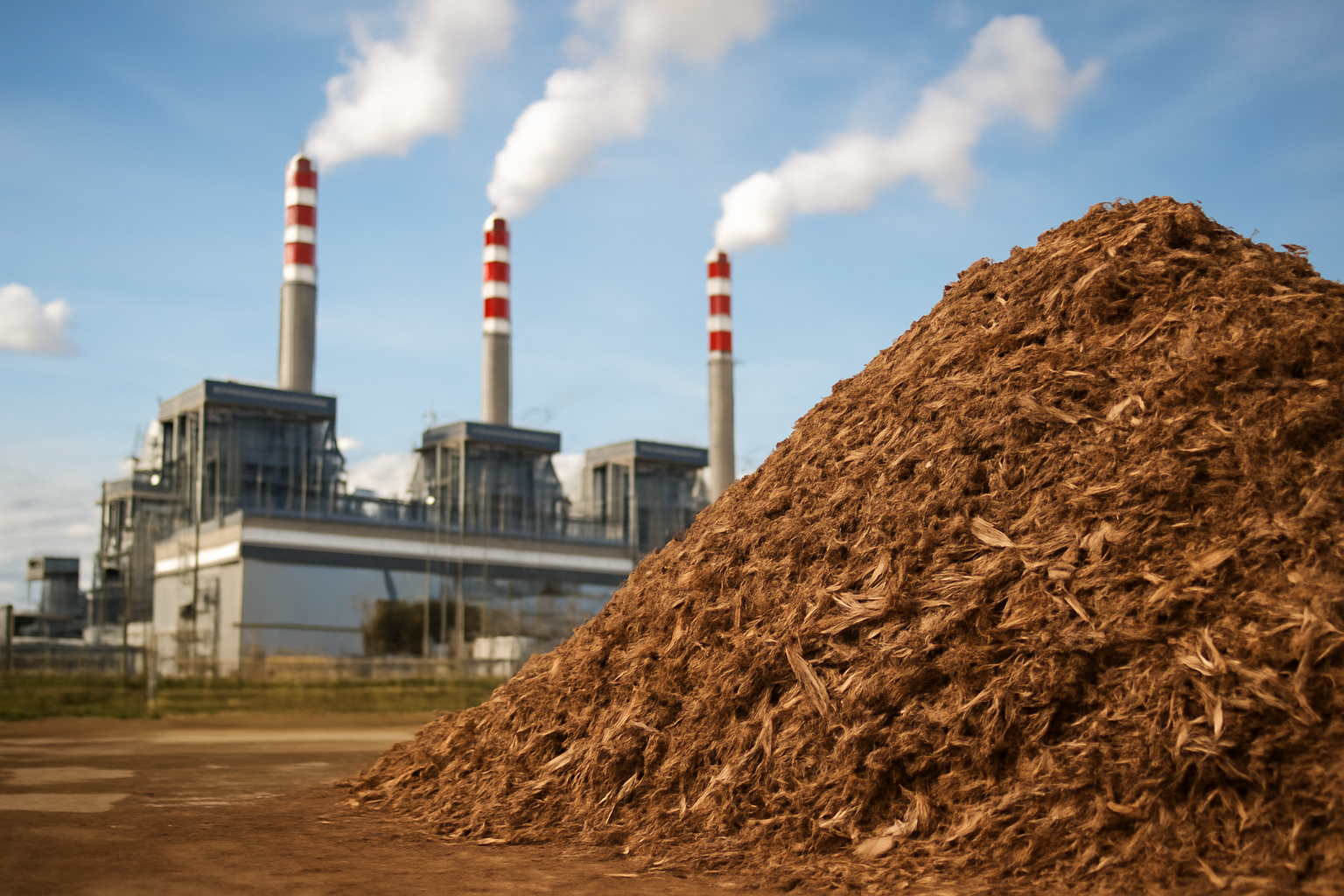
Waste biomass moves into Indonesia’s power strategy
Indonesia is promoting waste-based biomass as a substitute for coal at steam power plants, placing fuel supply and logistics at the center of its effort to reduce the power sector’s dependence on fossil energy. According to Media Indonesia, PLN EPI is focused on developing an integrated biomass ecosystem to support the country’s net-zero emissions target.
The initiative addresses more than fuel substitution inside individual plants. PLN EPI’s approach is intended to connect the collection, aggregation and delivery of biomass through a coordinated supply system. Waste material that can be used as biomass would therefore need to move reliably from dispersed sources to power-generation facilities that have traditionally depended on coal.
Spoke-and-hub model targets a dependable supply chain
Media Indonesia reported that the planned ecosystem will use a spoke-and-hub model. Under this arrangement, material from multiple supply points can be consolidated before delivery to power plants. The model is relevant because waste biomass is typically generated across numerous locations, while electricity producers require fuel with predictable availability.
For PLN EPI, integration will be critical to making biomass a practical coal substitute rather than an occasional supplementary fuel. A coordinated network can connect waste holders, biomass processors, logistics providers and power plants. It can also give producers and suppliers clearer information about where material is available and where demand is concentrated.
Digitalization is another component of the plan. Although the available source material does not specify the technologies, investment requirements, implementation timetable or targeted biomass volumes, digital systems could support the monitoring of supply and movement across the network. The absence of disclosed volume and schedule figures means the immediate effect on coal consumption cannot yet be quantified.
Execution will determine the impact on coal demand
The proposal creates an opening for companies involved in waste collection, biomass preparation and fuel transport. For power producers, however, the commercial value will depend on whether the ecosystem can provide material consistently enough to support plant operations. Supply interruptions or uneven fuel characteristics would limit the amount of coal that biomass can replace.
The initiative also links waste management with energy policy. Material treated as waste could acquire value as a power-sector input, while coal-fired plants could reduce part of their fossil-fuel requirement. The scale of that opportunity will depend on how widely the spoke-and-hub network is established and how effectively digital coordination translates into physical deliveries.
PLN EPI has presented ecosystem development, logistics integration and digitalization as the foundations of the program. No specific plants, capacity targets, investment values or completion dates were included in the supplied material. Market participants will therefore be watching for operational details that show how much biomass can be mobilized and how materially it can displace coal in Indonesia’s generation mix.