Indonesia orders probe into seven firms over farmers’ sugarcane output
Indonesia’s Agriculture Minister Andi Amran Sulaiman has requested an investigation into seven companies suspected of failing to absorb sugarcane produced by farmers. The inquiry could clarify the companies’ obligations and the consequences for growers and the domestic sugar supply chain.
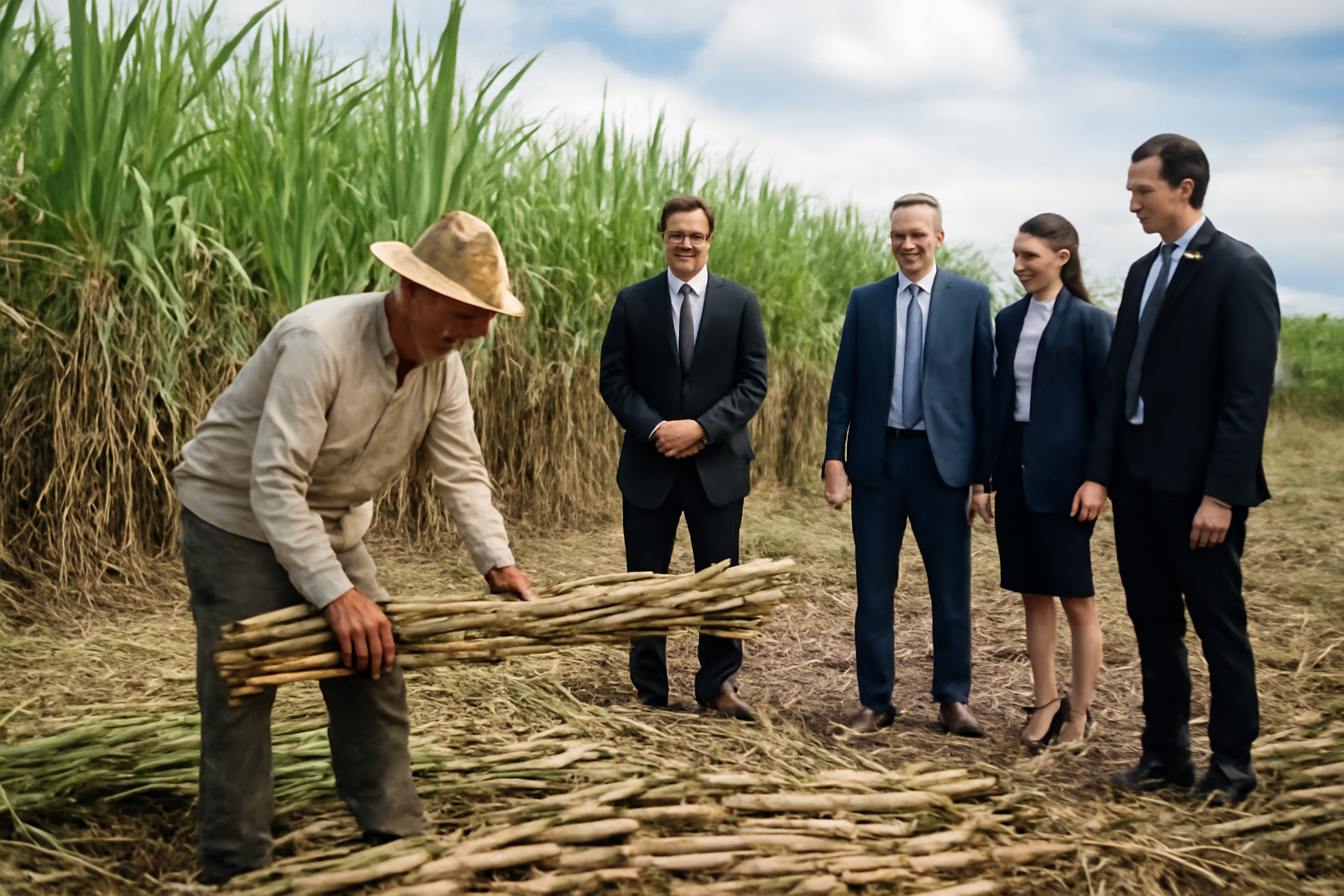
Minister seeks investigation of seven companies
Indonesia’s Agriculture Minister Andi Amran Sulaiman has requested an investigation into seven companies suspected of failing to absorb sugarcane produced by farmers, according to KONTAN. The request puts the handling of farmers’ harvested cane under official scrutiny and raises questions about the relationship between growers and the companies expected to process or purchase their output.
The available report does not identify the seven companies, specify how much sugarcane was affected or state the period during which the alleged failure occurred. It also does not describe the commercial arrangements between the companies and farmers. Those details will be central to determining whether the case concerns contractual commitments, purchasing policy, processing constraints or another issue.
Perishable crop increases pressure on growers
Sugarcane must move from farms into processing channels after harvest. When expected buyers do not take delivery, farmers can face operational and financial pressure because their crop cannot simply be stored and marketed in the same way as many dry agricultural commodities. The investigation therefore matters not only for the seven companies but also for growers whose income depends on access to mills and timely acceptance of harvested cane.
The case also places attention on mill procurement practices. Investigators will need to establish what each company was expected to absorb, whether any commitments were binding, and why farmers’ production was allegedly left without the anticipated outlet. Without disclosed volumes, it is not yet possible to assess the scale of the disruption or its effect on Indonesia’s sugar production.
Supply-chain implications depend on findings
For processors, the inquiry could clarify whether the alleged non-absorption reflected company decisions or practical limits in receiving and crushing cane. For farmers, the key issues are whether their output can still be delivered, who will purchase it and how quickly any dispute can be resolved. Traders and sugar users will watch for evidence that the problem could affect the availability of domestically processed sugar.
No findings or penalties were reported in the source material, and the companies’ responses were not provided. The allegations therefore remain unproven. The investigation requested by Amran is expected to establish the facts rather than serve as a conclusion about corporate responsibility.
Policy focus turns to market access
The intervention shows that the Agriculture Ministry is treating the absorption of farmers’ cane as a supply-chain issue requiring examination. Its immediate significance lies in whether authorities can determine the obligations of the parties and prevent harvested output from being stranded outside processing facilities.
Further disclosure will be needed before the market impact can be quantified. The names of the companies, the affected production volume, the location of the farmers and mills, and the timetable for the investigation have not been stated in the material provided. Until those facts emerge, the clearest consequence is increased regulatory attention on how Indonesian sugar mills obtain cane from domestic growers.