Indonesia prepares palm oil and coffee exporters for EU deforestation rules
Indonesia says it has spent three years preparing palm oil and coffee exporters to meet the EU Deforestation Regulation. The rules remain outside the planned Indonesia-EU trade agreement, leaving traceability and environmental compliance as separate conditions for access to the European market.
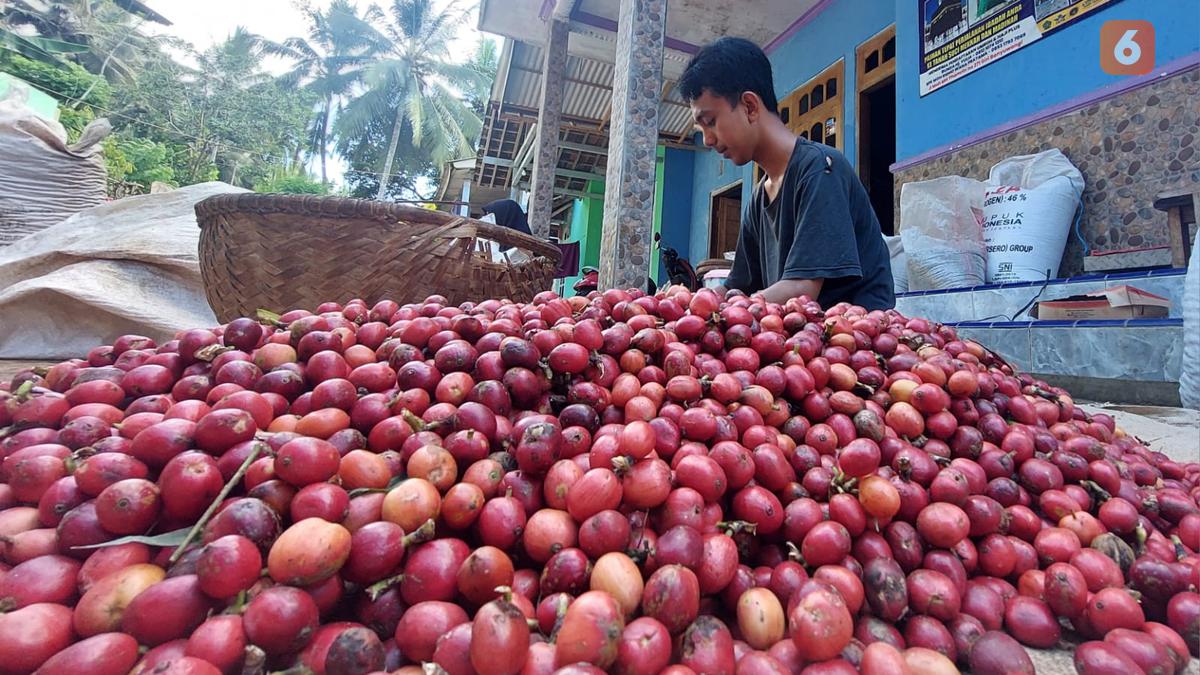
Environmental rules remain outside trade agreement
Indonesia is preparing its crude palm oil and coffee sectors for European Union deforestation requirements that will remain separate from its planned trade agreement with the bloc. Trade Minister Budi Santoso said the European Union Deforestation Regulation, or EUDR, directly affects CPO and agricultural goods including coffee.
Speaking at a press conference at the Trade Ministry on August 27, 2026, Budi said the regulation falls outside negotiations on the Indonesia-European Union Comprehensive Economic Partnership Agreement, known as IEU-CEPA. This means any wider reduction in trade barriers under the agreement will not remove the need for exporters of covered commodities to comply separately with the EU’s environmental rules.
Liputan6 reported that Indonesian commodities still face tariff and regulatory obstacles in the European market, particularly steel and products covered by environmental requirements. Budi said steel-related trade issues also sit outside the IEU-CEPA framework, although the government expects the agreement to reduce other barriers faced by Indonesian exporters.
Three years of exporter preparation
The Indonesian government says it has been preparing domestic exporters for the EUDR through intensive outreach and assistance. According to Budi, information campaigns explaining what companies need to prepare have been under way for the past three years.
For palm oil and coffee businesses, readiness depends on the ability to satisfy EU requirements independently of any tariff benefits delivered by IEU-CEPA. Exporters and processors therefore face two parallel tasks: using the trade agreement to improve commercial access where applicable, while maintaining the documentation and compliance systems needed for products governed by the EUDR.
Budi stressed that the regulation is intended to apply universally to all countries supplying the commodities concerned, rather than targeting Indonesia alone. Indonesian producers will consequently face the same regulatory framework as competing suppliers seeking access to the EU market, but their ability to document supply chains will determine how effectively they can continue serving European buyers.
Trade deal follows a separate timetable
Jakarta is targeting completion of the IEU-CEPA signing by the end of October 2026 at the latest. The government wants the agreement to enter into force in January 2027, with the aim of expanding market access for Indonesian products in the European Union.
The timetable gives exporters a potential route to improved market access, but it does not resolve the environmental compliance burden for palm oil and coffee or the separate issues affecting steel. Companies dealing in covered agricultural goods will still need to demonstrate that their supply arrangements meet the EU regulation, regardless of progress on the broader trade accord.
For producers, processors and traders, the commercial impact will depend on whether three years of government outreach have translated into workable systems across their supply chains. European importers will also need reliable information from Indonesian counterparties. The immediate challenge is therefore operational: keeping products eligible for the EU market while the two sides advance a trade agreement that does not incorporate the EUDR.