Indonesia Says Premium Rice Supply Is Adequate After Fortified Rice Recall
Indonesia’s National Food Agency says premium and medium rice remain widely available in traditional markets despite tighter supplies at some modern retailers. Eleven producers withdrew products linked to 25 fortified-rice brands pending a police food task force evaluation.
Traditional markets retain premium rice supplies
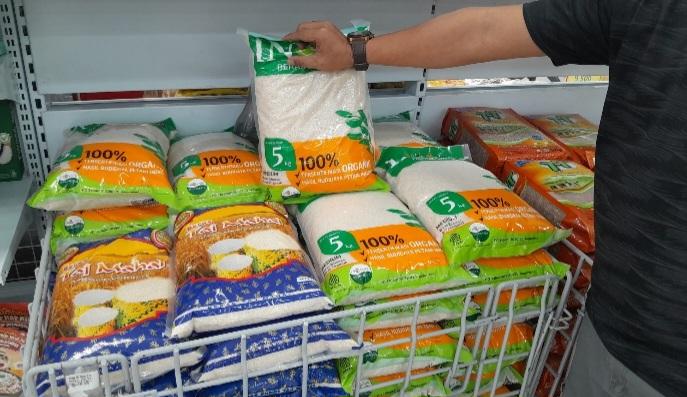
Indonesia’s National Food Agency, known as Bapanas, has assured consumers that premium and medium rice supplies remain adequate after several problematic fortified-rice products were withdrawn from sale. The agency said rice continues to be widely available in traditional markets and can meet public demand, even though shoppers may encounter more limited selections at some modern retail outlets.
Hermawan, Bapanas deputy for food availability and stabilization, said the situation in modern retail does not represent Indonesia’s overall rice stocks. Saibumi.com reported that he pointed to substantial volumes of both premium and medium rice in traditional markets. The distinction matters because the withdrawals were concentrated in modern retail channels rather than across the entire distribution system.
Eleven producers await an official evaluation
The tighter availability followed the government’s announcement that 25 fortified-rice brands had been identified as problematic. According to Saibumi.com, the products came from 11 businesses, which subsequently withdrew them from modern retailers while awaiting an evaluation by the Indonesian National Police’s Food Task Force.
The reported problems cover product administration, nutritional value and quality. The affected producers are not permitted to resume production of the products in question until the evaluation is completed. The measure therefore affects a defined group of fortified-rice products and manufacturers, rather than all premium rice sold in Indonesia.
Price ceiling remains in force
Bapanas warned market participants not to use the reduced selection at modern retailers as a reason to raise premium-rice prices. The maximum retail price for premium rice in Zone I is Rp14,900 per kilogram. Zone I covers Java, Lampung, South Sumatra, Bali, West Nusa Tenggara and Sulawesi, giving the ceiling relevance across several of Indonesia’s major production and consumption regions.
Hermawan also linked the difference between retail channels to commercial terms. Sales deductions in modern retail reduce producer margins compared with distribution through traditional markets. This helps explain why supply may appear constrained on supermarket shelves even when rice remains available elsewhere. For processors and distributors, the episode highlights the importance of channel economics alongside the immediate effect of the product withdrawals.
Bapanas said it would continue monitoring rice circulation to protect availability, prices and food safety. For producers, the immediate issue is completing the official evaluation before restarting the affected production. Retailers must manage a narrower fortified-rice assortment, while buyers may need to use traditional markets to access a broader selection of premium and medium rice. The agency’s central message is that localized retail shortages should not be interpreted as a nationwide shortage.