Indonesia wins partial WTO ruling in EU fatty acid duties dispute
A WTO panel partially upheld Indonesia’s challenge to the EU’s anti-dumping methodology for fatty acid imports. The ruling does not remove the duties, leaving Indonesian exporters dependent on further legal, diplomatic and market-access efforts.
Panel finds fault with EU methodology
Indonesia has secured a partial victory in its World Trade Organization dispute with the European Union over anti-dumping duties on Indonesian fatty acid imports. The final panel report in dispute DS622, published on 8 July 2026, accepted some of Indonesia’s technical claims while rejecting several of its principal legal arguments.
According to ANTARA and Liputan6, the panel upheld part of Indonesia’s case concerning inconsistencies in the methodology used by EU authorities to calculate dumping margins. The finding gives Jakarta support for its objection to how the trade measure was determined, but it does not invalidate the duties as a whole. Indonesian fatty acid shipments entering the EU therefore remain subject to the existing anti-dumping barrier.
Duties remain despite partial victory
Indonesia initiated DS622 in response to EU anti-dumping duties that it considered incompatible with WTO rules. Fatty acids are part of Indonesia’s downstream palm oil industry, making European market access relevant not only to oleochemical exporters but also to the broader supply chain processing palm-based raw materials into higher-value products.
The split ruling limits the immediate commercial benefit. Exporters gained a favorable finding on a component of the EU’s dumping-margin methodology, but Indonesia did not persuade the panel on several substantive arguments. With the duties still in place, the cost and competitiveness effects for Indonesian suppliers and EU importers do not disappear automatically. Any practical improvement will depend on the steps taken after the report.
Jakarta turns to trade diplomacy
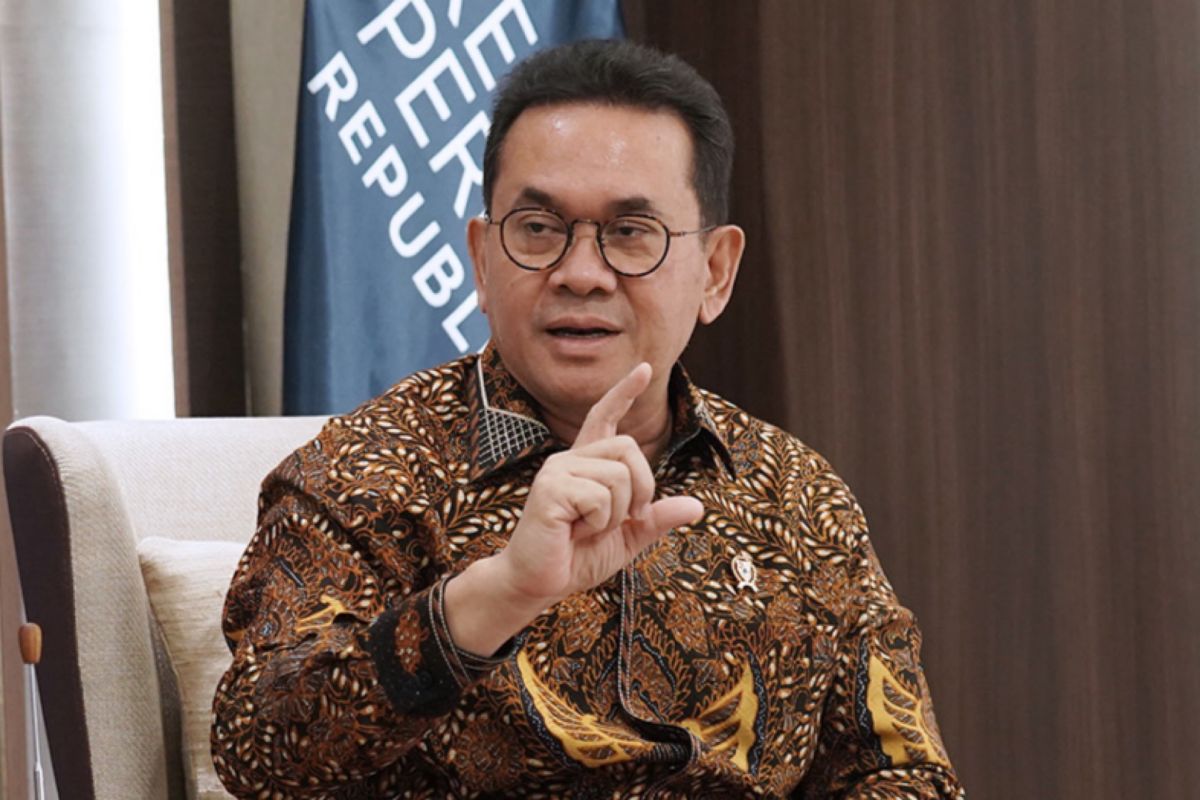
Trade Minister Budi Santoso said the government would continue defending national export interests through the instruments available after the panel decision. He said Indonesia would consider strategic alternatives, including trade diplomacy, to prevent its fatty acid products from facing damaging obstacles in the EU market. The government intends to use the panel’s findings as a basis for continuing its market-access efforts.
Indonesia’s Trade Ministry also plans internal consultations with domestic fatty acid producers and other stakeholders. Its stated objective is to help companies adjust their market strategies, restore export performance and preserve access to Europe. The ministry said legal advocacy had involved government bodies, private companies, industry associations and international legal experts.
Trade impact depends on follow-up
For Indonesian exporters, the report strengthens the argument that part of the EU calculation was inconsistent, but it offers no immediate removal of the border measure. Companies must still account for the duties when pricing shipments, negotiating contracts and deciding whether to direct volumes to Europe or other markets. EU buyers likewise continue to face the trade measure when sourcing Indonesian fatty acids.
The next phase will determine whether the technical finding produces a change in EU treatment or mainly serves as leverage in negotiations. Jakarta says it will combine post-ruling options with multilateral and bilateral trade cooperation. Until those efforts alter the applicable conditions, the WTO decision remains a partial legal gain rather than a full reopening of the European market.