Indonesia orders affordable rice prices nationwide under retail ceiling
Agriculture Minister Andi Amran Sulaiman ordered Bulog and regional governments to keep rice available across Indonesia at prices complying with the government’s highest retail price, or HET. The directive followed reports that supply and distribution problems had pushed prices in Alor as high as Rp30,000 per kilogram.
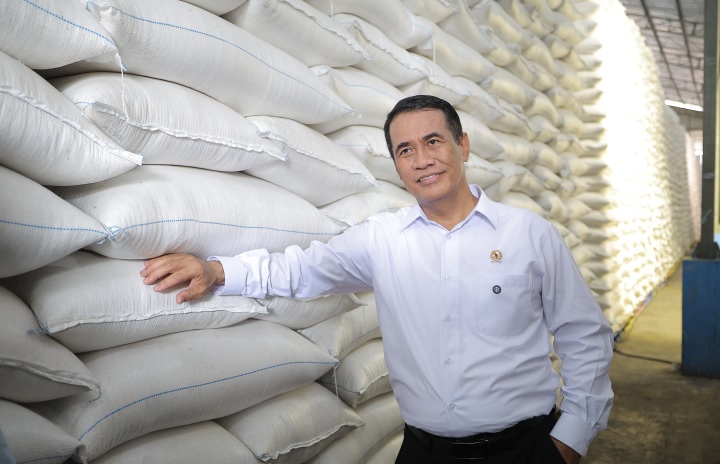
Minister targets equal rice prices across Indonesia
Indonesia’s Agriculture Minister Andi Amran Sulaiman has directed authorities to ensure that rice remains affordable throughout the country, including in remote island regions, and that retail prices comply with the government’s highest retail price, known as HET. The instruction puts distribution and local stock management at the center of the government’s response to regional price disparities.
Amran issued the directive after inspecting rice availability in Alor Regency, East Nusa Tenggara, on Saturday, August 8, according to Jambi Ekspres. He said consumers in Alor and other island territories should pay prices comparable with those in Jakarta. The minister’s position is that abundant national inventories must translate into physical availability and stable prices even on Indonesia’s outer islands.
Local prices had reached Rp30,000 per kilogram
Jambi Ekspres reported that supply and distribution constraints had previously driven rice prices to between Rp17,000 and Rp30,000 per kilogram. In remarks during the visit, Amran referred to reported prices of Rp15,000, Rp25,000 and Rp30,000 per kilogram, but said rice was now present in the warehouse and stocks were in good condition. He insisted that prices of Rp17,000 or Rp25,000 should no longer occur.
The episode illustrates the gap that can emerge between national supply and consumer access in an archipelago. Adequate rice at the national level does not automatically produce uniform prices when island markets depend on reliable transport, sufficiently stocked warehouses and timely releases. For households, processors and local traders, interruptions in those links can quickly raise the cost of a staple commodity even when aggregate inventories are ample.
Bulog and local governments told to reinforce stocks
Amran instructed the state food logistics agency Bulog and regional governments to strengthen local inventories and keep rice warehouses full. He warned that depleted facilities could create shortages when consumers need supplies and trigger another market price increase. Maintaining warehouse coverage would also allow the government to release rice quickly when prices begin to move.
The minister said secure supplies would support immediate intervention through low-cost market operations wherever required. He described the current national rice stock as the highest since the establishment of the republic under President Prabowo’s administration, without giving a volume. Rice should be released into the market when needed, he added.
Student complaint prompted Alor inspection
The visit followed a complaint from Adriano Padama, a student from Alor, during an Agriculture Ministry public lecture at Diponegoro University in Central Java. Padama raised the issue of high rice prices in his home region. Jambi Ekspres reported that Amran cancelled a leadership meeting in Jakarta to inspect the local situation directly.
The government’s immediate task is now operational: keeping Alor’s warehouses supplied, making rice available before shortages develop and using market operations when prices rise. Effective enforcement of HET in island regions will depend on whether Bulog and local authorities can turn national inventories into regular deliveries at the point of consumption. The directive therefore affects not only retailers but also storage operators, transport providers and traders responsible for moving rice between Indonesia’s producing and deficit regions.