Indonesia orders sugar refiners to operate cane plantations in self-sufficiency drive
Indonesia is reinforcing a requirement for sugar processors and importers to operate their own sugarcane plantations. President Prabowo Subianto wants the measure to support national sugar self-sufficiency within two years while strengthening domestic production and protecting farmers.
Government reinforces plantation requirement
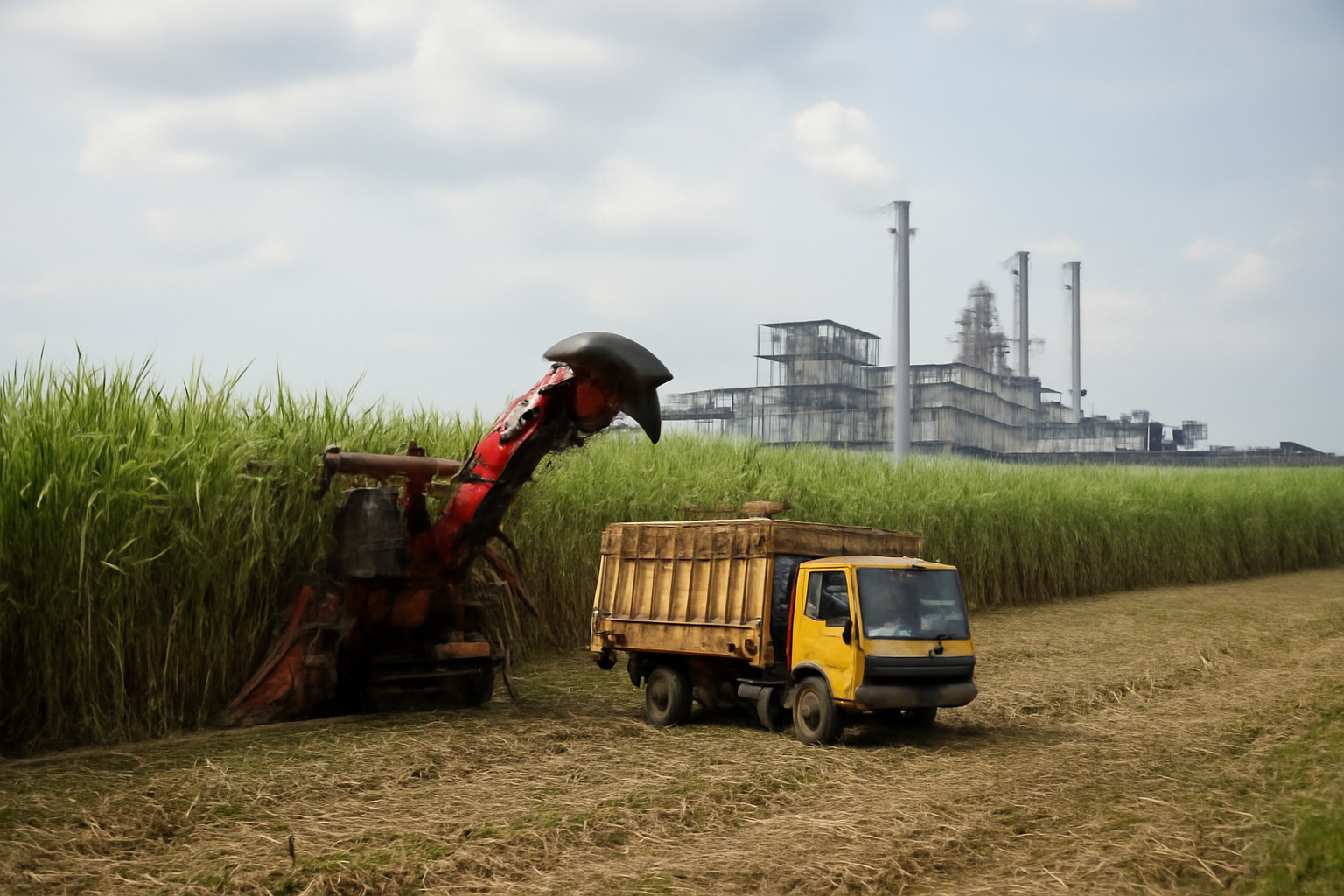
Indonesia is reinforcing a requirement that sugar-processing companies operate their own sugarcane plantations as part of President Prabowo Subianto’s drive to accelerate national sugar self-sufficiency. Agriculture Minister Andi Amran Sulaiman said the instruction applies to sugar mills and is intended to increase domestic cane and sugar production.
Media Indonesia and Antara reported that the government wants every sugar-processing plant to have access to its own plantation. IDN Times said the obligation also covers importers, placing companies involved in foreign supply under pressure to invest directly in domestic agricultural production.
The policy is not new legislation. According to RM.id, the requirement has been in force since 2013–2014. BeritaSatu and Okezone quoted Amran as saying that the government is reaffirming an existing rule because its implementation has not been optimal. The current initiative therefore focuses on enforcement rather than creating a new regulatory framework.
A two-year self-sufficiency target
Prabowo has instructed the Agriculture Ministry to accelerate sugar self-sufficiency within two years. Antara reported that the ministry is prepared to work toward that timetable, while Kontan said the plantation requirement forms part of a broader effort to strengthen national sugar production.
Requiring refiners to secure cane from plantations under their control would connect processing capacity more directly with primary production. For refiners that have relied on purchased or imported raw material, compliance may require access to land, plantation development and closer management of cane supply. The available reports do not specify minimum plantation areas, investment amounts, production quotas or penalties for companies that fail to comply.
The measure also shifts part of the responsibility for expanding cane output from farmers and the state to industrial processors. Its effect will depend on how the government defines ownership or operational control, how quickly suitable land can be developed and whether plantation output is sufficient for individual mill requirements.
Farmer protection and market enforcement
Media Indonesia said the policy is also designed to protect sugarcane farmers. HM Arum Sabil, chairman of the Indonesian Sugarcane Farmers Association, or APTRI, has called on the government to require refined-sugar producers to plant cane, according to Detik. He linked the proposal to sugar self-sufficiency and national food sovereignty.
IDN Times reported that the self-sufficiency program also includes crop rejuvenation and enforcement against illegal refined sugar. These measures address both sides of the domestic market: increasing agricultural productivity and limiting unauthorized refined sugar that can compete with locally produced supplies.
For producers and traders, the reinforced rule raises the importance of tracing cane supplies and separating sugar intended for industrial use from other market channels. For farmers, plantation investment by processors could create additional demand for cane and production services, although the reports do not describe contract terms or purchasing arrangements.
Implementation will determine the impact
The government’s decision establishes a clear direction for the industry: access to refining or importing activity is to be tied more closely to domestic cane cultivation. The immediate commercial impact remains uncertain because no implementation schedule beyond the two-year self-sufficiency objective has been disclosed.
Market participants will now be watching for detailed rules covering eligible land, ownership structures, existing refiners and importers, and monitoring of compliance. Those provisions will determine how much new cane capacity is created and whether the policy materially reduces Indonesia’s dependence on external sugar supplies.