Indonesia’s Government Rice Stocks Reach Record 5.1 Million Tonnes
Indonesia’s government rice reserves have reached a record 5.1 million tonnes, according to Agriculture Minister and National Food Agency head Andi Amran Sulaiman. Officials say the inventory provides protection against El Niño while supporting food assistance, emergency response and market intervention.
Government reports highest reserve on record
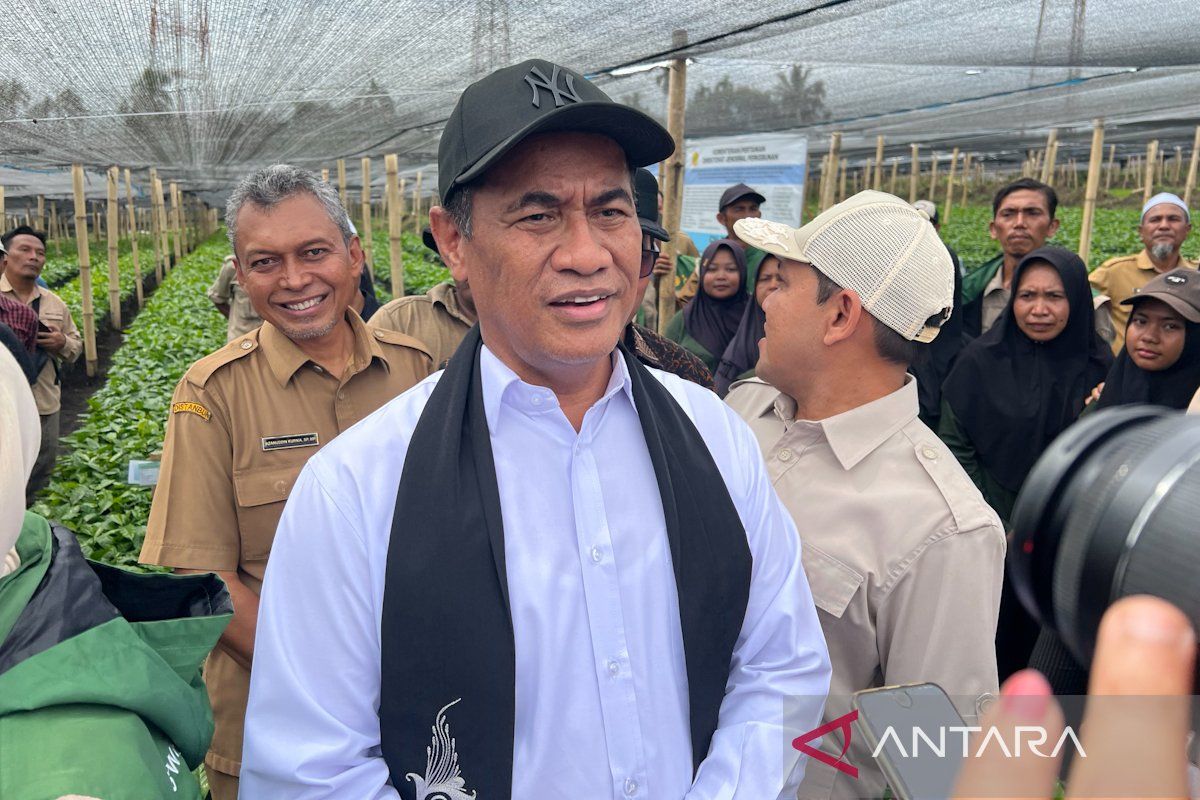
Indonesia’s government rice reserve has reached 5.1 million tonnes, the highest level since the republic was established, Agriculture Minister and National Food Agency head Andi Amran Sulaiman said on August 26, 2026. The inventory is intended to protect domestic food availability as El Niño creates risks for agricultural production and rice prices.
ANTARA reported that more than 5 million tonnes of the reserve is managed by state logistics agency Perum Bulog. Officials expect the stock to support household requirements and provide rice for disasters and other emergencies. VIVA also reported that the government considers the reserve sufficient to manage the effects of El Niño, although the supplied material did not quantify the potential impact on Indonesia’s harvest.
The record is a gross inventory figure rather than a forecast of future supply. The reports did not specify how much of the stock came from domestic procurement or imports, nor did they disclose storage locations, quality composition, carrying costs or a target period for drawing down the reserve. Those details will determine how directly the headline volume affects farmers, millers and international suppliers.
Distribution reaches 1.69 million tonnes
The National Food Agency, known as Bapanas, recorded 1.69 million tonnes of government rice distributed through intervention programs as of August 24. Sales under the SPHP food supply and price stabilization program amounted to 221,050 tonnes in January and February, followed by 688,980 tonnes from March through August.
Food assistance accounted for another substantial share. Distribution under the first stage of the program reached 662,860 tonnes, while the second stage had started with 59,830 tonnes. Deliveries for disasters and emergencies totaled 11,390 tonnes, and allocations for budget groups reached 53,680 tonnes.
These channels give the government several ways to release rice without relying on a single intervention mechanism. SPHP sales address market availability and prices, while food assistance and emergency allocations target household access. The scale and timing of further releases will influence commercial demand, wholesale inventories and the amount of rice Bulog may need to procure to maintain the reserve.
Price management remains the central test
Amran said global rice prices were rising and argued that Indonesia’s stock position would prevent food shortages. He cited a rice price of as much as Rp100,000 per kilogram in Japan as an example, while acknowledging that comparisons between markets have limitations. No benchmark for world rice prices or current Indonesian retail prices was provided in the reports.
The minister also described the policy tension facing the government: consumers object when rice prices rise, farmers are dissatisfied when they fall, and businesses face pressure at intermediate levels. A 5.1 million-tonne reserve expands the authorities’ capacity to intervene, but the market effect will depend on release prices, regional distribution and the timing of any replacement procurement. The government announced no new import volume or purchasing schedule alongside the stock figure.