Indonesia allocates 997,200 tonnes of free rice for 33.4 million recipients
Indonesia is distributing 10 kilograms of free rice per month to 33.4 million beneficiaries from July through September 2026. Okezone reports that the government has prepared about 997,200 tonnes for the program, supported by 5.2 million tonnes of domestic rice held by Bulog.
Three-month distribution reaches 33.4 million people
Indonesia’s government is distributing free rice to 33.4 million beneficiaries nationwide under a food assistance program covering July through September 2026. Each recipient is entitled to 10 kilograms per month, or 30 kilograms over the three-month period, according to Okezone.
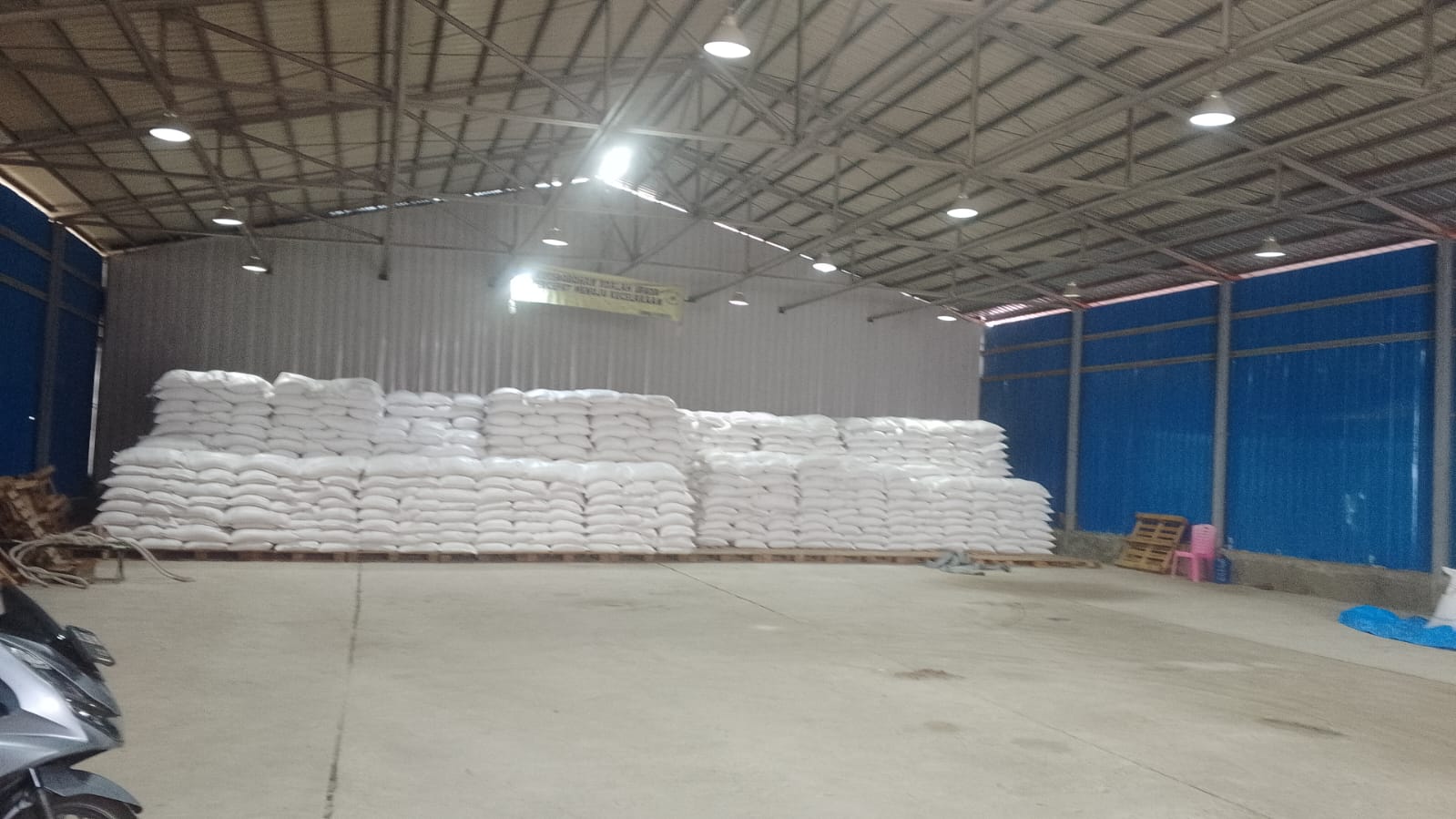
The publication reports that about 997,200 tonnes of rice have been prepared for the program. The scale makes the operation a major channel for transferring state-held grain directly to households. It also gives rice producers, millers, warehouse operators and logistics providers a clear timetable for the movement of substantial physical volumes across the Indonesian archipelago.
Bulog stocks provide the supply base
Andi Amran Sulaiman, head of the National Food Agency, known as Bapanas, and Indonesia’s agriculture minister, said the distribution was being conducted while rice stocks at state food logistics agency Perum Bulog stood at 5.2 million tonnes. He made the comments while inspecting rice assistance distribution in Lidah Kulon, Surabaya, East Java, on August 12, 2026.
Amran said the stocks came from domestic production rather than imported rice. That distinction matters for the local supply chain: the assistance program uses rice already purchased and held inside Indonesia, creating an outlet for domestic grain without adding import volumes to the market. His statement that the country is self-sufficient in rice and has abundant stocks was presented as the basis for providing the assistance.
Food support also manages government inventories
The program combines two policy functions. It supplies a staple food free of charge to millions of people, while moving part of Bulog’s large inventory into household consumption. Regular monthly allocations can support predictable distribution, but they also require coordination among government agencies, Bulog facilities and local delivery networks to ensure that the announced quantities reach recipients during the three-month window.
For the rice market, the central issue is how quickly the 997,200 tonnes are released and how consistently the 10-kilogram monthly entitlement is delivered. Distribution from existing domestic stocks can affect demand in retail channels because beneficiary households receive part of their rice needs outside normal commercial purchases. At the same time, drawing down Bulog inventories creates storage capacity and may influence the agency’s future procurement needs from Indonesian farmers. Amran linked rising stocks with government efforts to improve farmer welfare, although Okezone did not provide procurement prices, production forecasts or a schedule for replenishing the rice distributed under the program.