Indonesia’s free meal program poised to become major market for farm output
Indonesia expects its Free Nutritious Meal program to create stable demand for domestic agricultural and livestock products. The government says the program’s millions of daily portions could absorb surplus milk, vegetables and other foods that might otherwise go to waste.
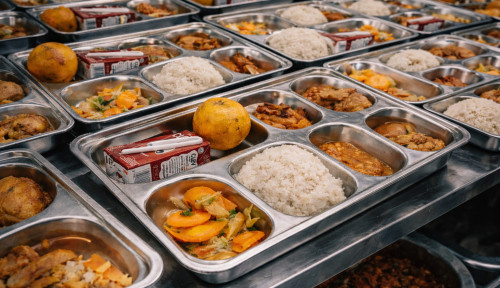
A new source of food demand
Indonesia’s Free Nutritious Meal program, known as MBG, is expected to become a large and recurring market for the country’s agricultural and livestock production. Sudaryono, head of the National Nutrition Agency, said the program would continually absorb farm output in substantial volumes, comparing its consumption needs to “Pacman.”
Warta Ekonomi reported that Sudaryono views MBG as an emerging market with significant consumption. The program requires millions of meal portions every day, creating potential demand for milk, vegetables and other foods produced by Indonesian farmers and livestock operators. The initiative is one of President Prabowo Subianto’s priority programs.
Reducing losses from agricultural surpluses
The government expects this demand to reduce the risk that agricultural and livestock products remain unsold when production exceeds the capacity of conventional markets. Sudaryono referred to previous cases in which milk was used for public protests and carrots or other harvests were discarded because producers could not find sufficient buyers.
According to Warta Ekonomi, Sudaryono said such incidents had not occurred so far under the program, while acknowledging that isolated problems could still arise and would need to be addressed. MBG could therefore provide an additional outlet during periods of abundant production, particularly for perishable products whose commercial value declines quickly when storage, processing or buyer capacity is limited.
Supply and logistics remain central
Large institutional demand does not automatically remove the sector’s operational constraints. Supplying millions of portions each day requires reliable purchasing, aggregation, storage, transportation and food preparation. The government has anticipated MBG’s logistics requirements by seeking to increase agricultural production and maintain adequate supplies, Sudaryono said.
This creates a balancing task. Farmers and livestock producers need enough confidence in future demand to expand or maintain output, while meal operators need regular supplies that meet nutritional and operational requirements. If procurement is uneven across regions or commodities, local surpluses may persist even while the national program consumes large quantities of food.
Nutrition policy with an agricultural impact
MBG is intended to improve nutrition among schoolchildren, toddlers, pregnant women and other vulnerable groups. Its economic role is broader, however: public meal purchasing can generate business for domestic farmers, livestock producers and food companies while connecting food production more directly with social policy.
The program’s effect on agricultural markets will depend on how consistently purchases reach producers and whether logistics can move perishable food from surplus areas to kitchens serving beneficiaries. For processors and distributors, recurring demand may support investment in collection, cold storage and preparation capacity. For producers, the central issue is whether MBG becomes a dependable buyer rather than a temporary outlet. The government’s stated objective is a continuing market capable of absorbing domestic output and preventing milk, vegetables and other farm products from being wasted when harvests are plentiful.