Indonesia urged to accelerate export diversification as new US tariffs threaten competitiveness
Indonesia faces calls to diversify export destinations as new US tariffs threaten to weaken the competitiveness of its goods. The country is also being urged to expand domestic processing so exporters rely less on price advantages.
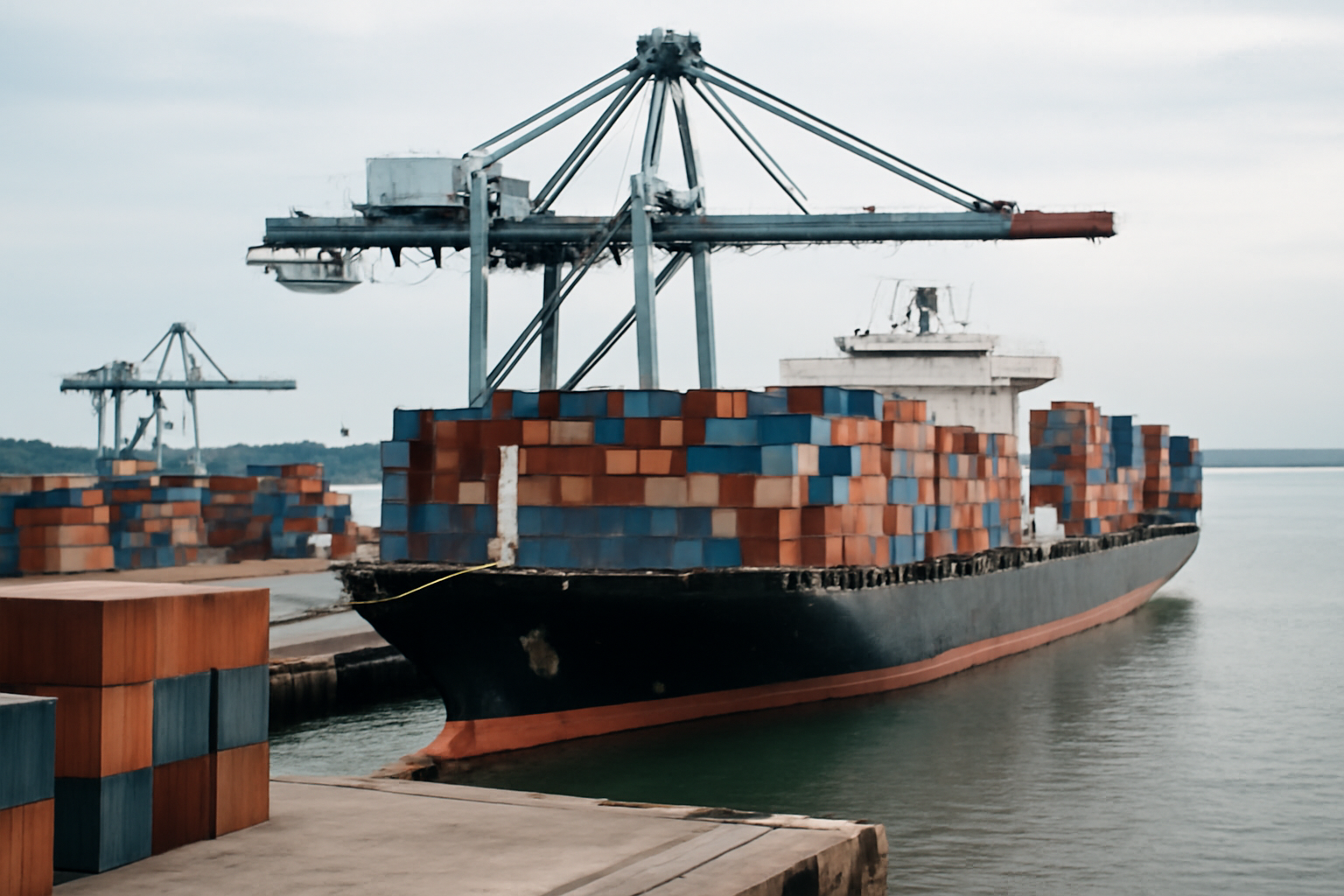
Tariff pressure raises concern for Indonesian exporters
Indonesia is facing renewed pressure to accelerate the diversification of its export markets as new US tariffs threaten to make Indonesian goods less competitive. Indonesian publication rm.id reported that the tariff measures introduced under US President Donald Trump could weigh on exports, strengthening the case for companies and policymakers to reduce their dependence on established destinations.
The available report does not specify the tariff rates, affected product categories or implementation timetable. It nevertheless points to a broader commercial risk: when access to a major market becomes more expensive, suppliers competing primarily on price have limited room to absorb additional costs. Importers may seek alternative origins, while Indonesian exporters could face a choice between lowering margins and passing higher costs through to buyers.
The potential impact will vary by product, contract structure and the ability of individual companies to redirect shipments. Exporters with customers in several regions are generally better placed to manage a policy shock in one destination. Businesses concentrated in a small number of markets have fewer immediate alternatives, particularly when products must meet different technical standards, certification rules or buyer specifications.
Market diversification becomes more urgent
According to rm.id, Indonesia needs to speed up efforts to diversify its export markets. For businesses, this means developing customers beyond their existing sales channels rather than waiting for tariff changes to affect orders. New destinations can reduce exposure to a single market, but opening them requires commercial relationships, logistics capacity and knowledge of local regulations.
Diversification is not an instant substitute for established trade. Exporters may need to adjust packaging, product specifications, distribution arrangements and payment terms. They may also encounter different freight costs and stronger competition from suppliers already serving the target market. The practical value of diversification therefore depends on whether companies can build durable demand rather than simply redirect individual cargoes.
The tariff risk also affects importers and intermediaries. Buyers of Indonesian goods must assess whether the additional border cost can be passed along the supply chain. Traders may revise sourcing plans or renegotiate contracts, while producers could face more volatile order volumes if customers delay purchases while evaluating the new rules.
Domestic value addition offers a second response
Rm.id also argued that Indonesia should continue increasing value addition in its domestic industries. The objective is to ensure that export competitiveness does not depend only on price. More domestic processing can allow companies to sell differentiated or higher-value goods, although the outcome depends on production efficiency, quality, financing and access to suitable buyers.
For producers, moving further into processing can create new revenue opportunities but may also require investment in equipment, skills and compliance. Exporters must determine whether additional processing at home produces a product that overseas customers are willing to buy at a sufficient premium. Without that demand, higher processing costs could add pressure rather than protection.
Indonesia’s response therefore has two connected elements: broadening the number of markets available to exporters and strengthening the value created before goods leave the country. Neither removes tariff exposure completely. Together, however, they could give producers and traders more options when a major destination changes its trade policy.