Indonesia’s egg and chicken prices recover as free-meal demand returns
Egg and chicken prices are rising again in Indonesia as schools reopen and the Free Nutritious Meals program resumes after the holiday. Bapanas views the recovery as necessary for producer margins but is monitoring consumer prices and food inflation.
Institutional demand lifts prices after a slump
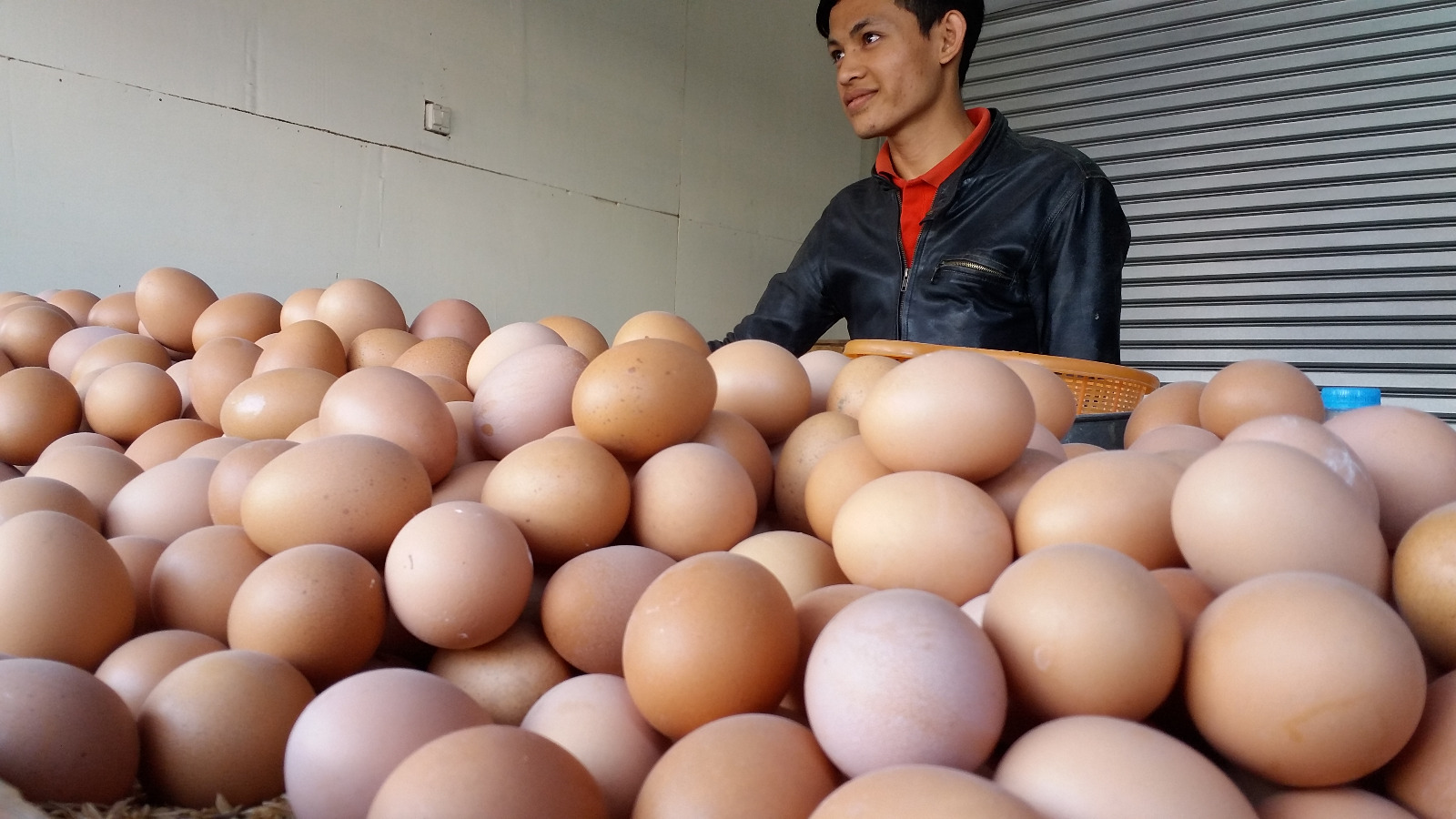
Egg and chicken prices are recovering in Indonesia after the Free Nutritious Meals program, known as MBG, resumed following the long school holiday. The return of students and the reopening of nutrition service units have restored an important source of demand that had weakened over the preceding weeks.
Indonesia’s National Food Agency, or Bapanas, said the price of commercial chicken eggs at farms had fallen as low as Rp15,000 per kilogram during the downturn. I Gusti Ketut Astawa, the agency’s deputy for food availability and stabilization, linked the decline to school closures and the suspension of MBG purchasing. Demand also began improving after the end of the Suro, or Muharram, period.
Reports differ slightly on the current farm price. Liputan6 quoted Astawa as placing it at Rp21,000-Rp22,000 per kilogram, while Antara reported a range of Rp22,000-Rp23,000. Both figures remain below the Rp24,000-Rp25,000 level that Bapanas considers appropriate for producers. Liputan6 said the Agriculture Ministry’s farm-level reference purchasing price is around Rp24,000 per kilogram.
Sukabumi records gains in eggs and chicken
The recovery is also visible at retail level in Sukabumi, West Java. Media Indonesia, citing the city’s trade authorities, reported that the average chicken meat price rose to around Rp37,000 per kilogram from Rp36,000. Eggs increased to Rp26,000 per kilogram from Rp25,000.
The two commodities recorded price increases on July 13 and July 17, according to M Rifky of the Sukabumi trade office. Officials monitor staple-food prices at Pelita and Tipar Gede markets and attributed the movement primarily to stronger demand following the restart of MBG. The local authority said the changes remained controlled and had not caused significant disruption.
National retail data indicate a sharper movement. According to Antara, Bank Indonesia’s National Strategic Food Price Information Center recorded the average price of commercial chicken eggs in traditional markets at Rp29,250 per kilogram on July 6, Rp29,000 on July 14 and Rp31,300 on July 20, 2026. The same database placed the average producer price at Rp25,750 per kilogram on July 20.
Bapanas seeks a balance between farms and consumers
Bapanas regards the rebound as support for layer farms after a period in which prices threatened production incentives. The agency’s concern is that persistently low prices could discourage output and eventually increase Indonesia’s need for imported food. For farmers, renewed purchases by MBG kitchens provide a more predictable demand channel as schools return to normal operations.
The government is also watching the risk that the recovery could add to food inflation. Astawa said intervention may be used when prices are either too low or too high, with the reference price serving as the operating benchmark. For poultry producers and distributors, the immediate issue is whether institutional demand can keep farm prices economically viable without pushing retail prices beyond levels affordable to households.