Indonesian Lawmakers Push to Tighten Raw Sugar Import Allocations After Refined Sugar Leakage
Commission VI of Indonesia's House of Representatives is urging the government to take direct control of raw sugar import allocations after monitoring reports showed refined sugar still leaking into the consumer market. Lawmakers propose cutting or suspending raw material allocations for refiners that breach the rules. The refining industry's raw sugar requirement is estimated at 3.5 million to 4 million tonnes a year, spread across about 11 licensed companies.
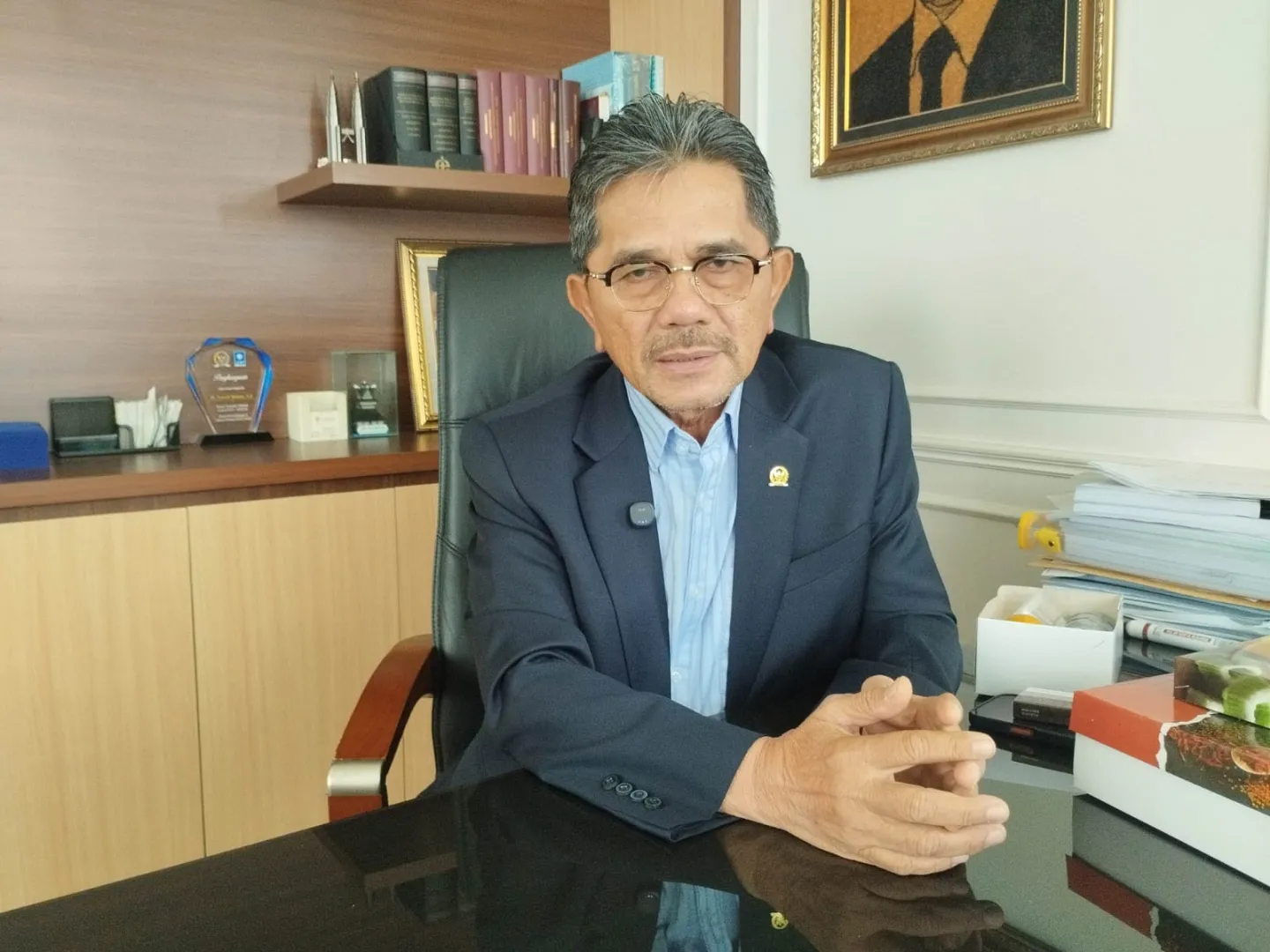
Indonesia's House of Representatives is pressing the government to tighten control over raw sugar imports and the distribution of refined sugar, after monitoring reports showed industrial-grade sugar continuing to leak into the general consumer market. Nasril Bahar, a member of Commission VI, said the effort is being carried out through a Sugar Working Committee (Panja Gula) formed after a joint hearing with several ministries and the State-Owned Enterprises Regulatory Body (BP BUMN), telusur.co.id reported.
Nasril spoke to reporters at the parliamentary complex in Senayan, Jakarta, on Tuesday, 22 September 2026. He said the committee is reviewing national refined sugar requirements alongside the distribution problems affecting sugar that is legally reserved for food and beverage manufacturers.
Refined sugar undercuts farmers' white crystal sugar
Reports from the Directorate General of Consumer Protection and Orderly Trade (PKTN), which monitors goods in circulation, show that refined sugar is still reaching the open market, according to telusur.co.id. Nasril said cane growers have complained about the practice because it disrupts the absorption of domestically produced white crystal sugar, known locally as gula kristal putih or GKP.
The commercial logic is straightforward: refined sugar is cheaper and visibly whiter than GKP, which makes it more attractive to traders. “When the harvest comes, the market's capacity to take up white crystal sugar from our cane farming appears to be rejected in terms of absorption,” Nasril said, as quoted by telusur.co.id. todaynews.id reported the same dynamic, noting that the lower price and whiter appearance of refined sugar risk squeezing uptake of domestic production.
Eleven refiners and 3.5-4 million tonnes of raw sugar
Nasril said around 11 refining companies currently hold permits to import raw sugar. Problems remain with the integration between cane plantations and processing plants, an obligation refiners are expected to meet and one the government should enforce through state-owned enterprises, he said.
Key figures cited by both publications:
- Raw material requirement of the refining industry: an estimated 3.5 million to 4 million tonnes per year
- Companies holding raw sugar import permits: about 11
- State companies named as candidates to run the import function: PT Rajawali Nusantara Indonesia (RNI)/ID FOOD and Perusahaan Perdagangan Indonesia (PPI)
Commission VI wants the state to act as the leader in controlling sugar imports and in rationing raw sugar to refiners. Nasril stressed that the decision on which state company takes the import function rests entirely with BP BUMN, based on each firm's capacity and readiness. Parliament will seek further input on that readiness in subsequent sessions, todaynews.id reported.
Allocation cuts proposed as a sanction
Nasril said penalties against violators have been imposed repeatedly but have lost their deterrent effect. “Leakage has in fact been happening every year. But when actions and sanctions have been given to them over and over again, and they have become immune, what can we say?” he said, as quoted by telusur.co.id. Controlling import allocation, he argued, could serve as an instrument to enforce discipline: if a state company is given authority over raw sugar imports, refiners found in breach could have their raw material allocation reduced or halted.
Commission VI also asked RNI/ID FOOD to actively report any indication of misuse in refined sugar distribution, arguing that food-sector state companies carry responsibilities beyond corporate performance because they are tied to the cane farming ecosystem and the national sugar industry. The Sugar Working Committee is continuing its discussions on national sugar requirements and the obstacles in distribution governance.