Indonesian coal mine permits covering 760 Mtpa of capacity set to expire by 2035
Operating permits for Indonesian coal mines representing 760 million tonnes of annual capacity are due to expire by 2035, according to Global Energy Monitor. The expiry schedule does not amount to a coal phase-out, as Indonesia has no clear production exit roadmap and is planning 17 million tonnes per year of new capacity.
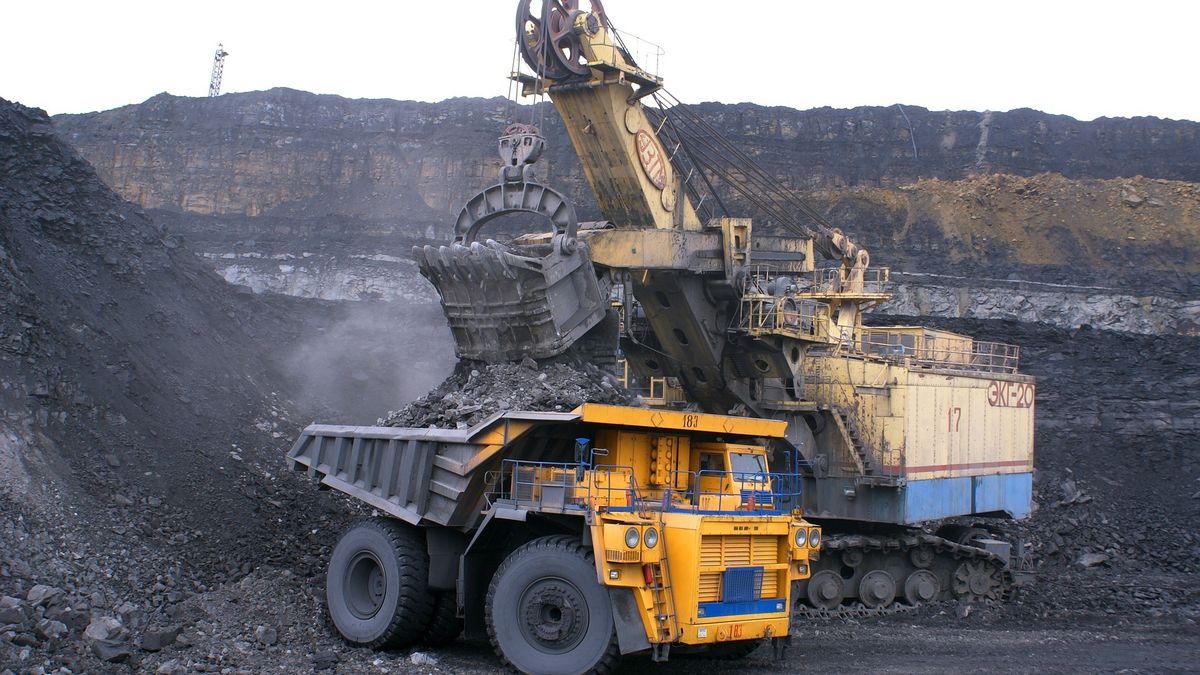
Indonesia dominates the global expiry schedule
Operating permits for Indonesian coal mines with combined production capacity of 760 million tonnes per year are scheduled to expire by 2035, Kompas reported, citing Global Energy Monitor’s Still Digging 2026 analysis. The volume represents about two-thirds of the roughly 1.145 billion tonnes per year of global coal-mining capacity recorded as approaching retirement or the end of its operating term.
Indonesia’s total is far ahead of Australia, the next-largest country in the dataset, with about 216 million tonnes per year. Germany, the Czech Republic, Romania and Greece also have mining capacity approaching an end date. Global Energy Monitor distinguishes those European cases because their coal-exit policies are backed by regulation, while Indonesia has no clear roadmap for ending coal production.
The figures describe annual production capacity attached to permits, not the quantity of coal remaining underground. They therefore identify the scale of assets facing an administrative decision by 2035, rather than confirming that 760 million tonnes of annual output will disappear.
Permit expiry does not guarantee closure
Tiffany Means, a senior researcher at Global Energy Monitor and a co-author of the report, cautioned that the Indonesian total probably reflects permits reaching their expiry dates rather than a formal phase-out policy. An expiring license can lead to closure, but the source material does not establish how many permits may be renewed, extended or replaced.
This distinction is central for producers, buyers and investors. If a large share of permits is renewed, Indonesia could retain much of the capacity currently listed as approaching retirement. If renewals are restricted or operators decide that continued mining is uneconomic, the same timetable could become a significant closure pipeline. The available analysis does not provide a mine-by-mine renewal forecast, so the 760-million-tonne figure should not be treated as a firm supply-removal estimate.
Indonesia also ranks eighth among the 10 countries with the largest portfolios of inactive coal-mining assets. Its inactive capacity is estimated at about 18 million tonnes per year. That stock creates a second layer of uncertainty because inactive assets are separate from permits currently approaching expiry and may not represent permanent closures.
New projects complicate the retirement outlook
At the same time, Indonesia has plans for 17 million tonnes per year of new coal-mining capacity. Dorothy Mei, project manager of Global Energy Monitor’s Global Coal Mine Tracker, said this pipeline indicates that pressure to expand Indonesian production has not ended. The new capacity is small compared with the 760 million tonnes per year attached to expiring permits, but it shows that the country’s project pipeline is not aligned with an unequivocal production phase-out.
Global Energy Monitor warned that adding mines while energy-market conditions change could leave coal projects uneconomic over the long term. For mine operators and financiers, the immediate questions are therefore permit renewal, project costs and the commercial life of individual deposits. For traders and coal consumers, the expiry calendar matters only to the extent that it changes actual production and available supply.
The contrast with regulated European exit plans is consequential. A statutory closure schedule offers clearer expectations about when capacity will leave the market. Indonesia’s permit-based timeline instead leaves several possible outcomes: continued operation after renewal, delayed closure, replacement by new capacity or retirement. Until authorities and operators clarify those decisions, the 760 million tonnes per year should be read as capacity exposed to licensing risk, not as a confirmed contraction in Indonesian coal supply.