Indonesia’s coal export curbs push mining into contraction in Q2 2026
Indonesia’s mining industry was the only business sector to contract in the second quarter of 2026, according to BPS data reported by Suara.com. The statistics agency linked the decline to restrictions on coal exports, highlighting the domestic impact of policies limiting access to overseas buyers.
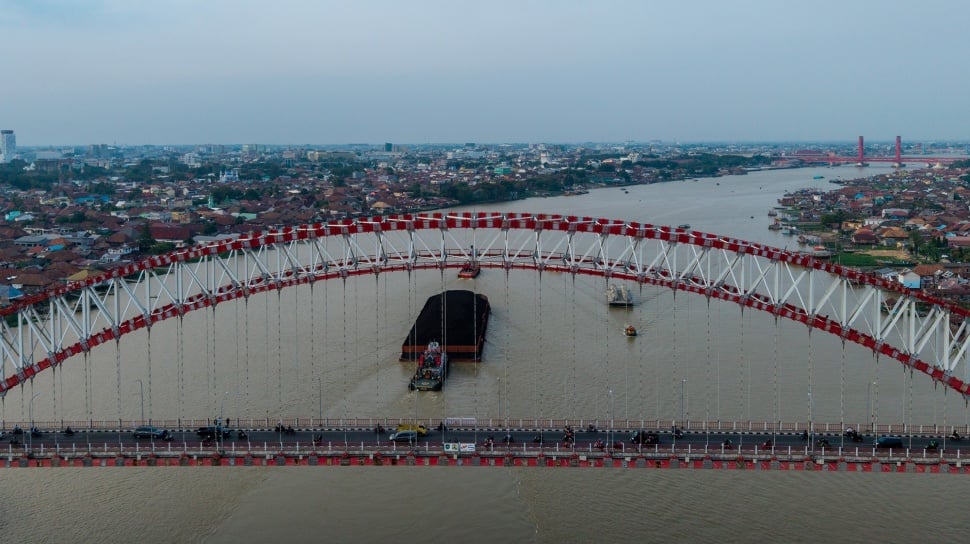
Mining stands alone in contraction
Indonesia’s mining industry was the country’s only business sector to contract in the second quarter of 2026, according to data from the Central Statistics Agency, known as BPS, reported by Suara.com. The agency linked the sector’s performance directly to the implementation of restrictions on coal exports.
The result separates mining from the other sectors covered by the quarterly economic data. Although the available source material does not provide the contraction rate or figures for coal production and shipments, BPS’s explanation identifies export policy as the central factor behind the decline rather than a broad contraction across the Indonesian economy.
Export limits reach domestic operations
Coal producers depend on access to international customers to place volumes that are not absorbed by the domestic market. Restrictions on those sales can therefore affect activity across the supply chain, from mine operations and processing to transport and port handling. BPS’s assessment indicates that the impact was large enough to appear in national sector-level output during the quarter.
The data do not establish whether every coal-producing region or company experienced the same pressure. Export exposure varies among miners, while companies with a greater share of domestic sales may face different conditions from businesses oriented toward overseas markets. The reported contraction nevertheless shows that the sector-wide effect was not fully offset by domestic demand or activity in other mining segments.
Pressure spreads beyond exporters
For coal companies, restricted export access can complicate production planning and inventory management. Producers must align extraction with the outlets available to them, while traders and logistics providers face fewer opportunities to handle international cargoes. The consequences can extend to contractors and service providers whose workloads depend on mine output and shipment schedules.
Importers that normally source Indonesian coal must also account for the possibility of reduced availability, although the source material provides no country-level trade figures or evidence of price movements. Buyers may monitor shipment schedules and policy implementation more closely, while Indonesian exporters need clarity on how long the restrictions will remain in force and which volumes are affected.
Policy becomes the key variable
The Q2 2026 result makes export regulation a central variable for the mining industry’s near-term performance. A recovery would depend partly on whether producers regain access to foreign markets or find sufficient domestic outlets. Without detailed BPS figures, it is not possible to determine the relative contribution of shipment volumes, production changes or other mining activities to the contraction.
Future BPS releases will show whether the decline was limited to one quarter or continued after the restrictions took effect. For producers, traders and investors, the most relevant indicators will be coal output, export volumes and the performance of mining relative to other sectors. The current data provide a clear initial signal: restrictions on coal exports were significant enough to leave mining as Indonesia’s only contracting business sector in the second quarter of 2026.