Indonesian cement plants run down to two or three days of coal as DMO deliveries stall
Indonesia's cement industry is facing a coal scarcity crisis because domestic market obligation (DMO) deliveries have been disrupted, the head of the Asperssi cement association told Bloomberg Technoz. As of early September 2026, coal stocks at most cement plants covered only two to three days of operation. El Niño has dried out rivers used to move coal, creating logistics bottlenecks on the route to the factories.
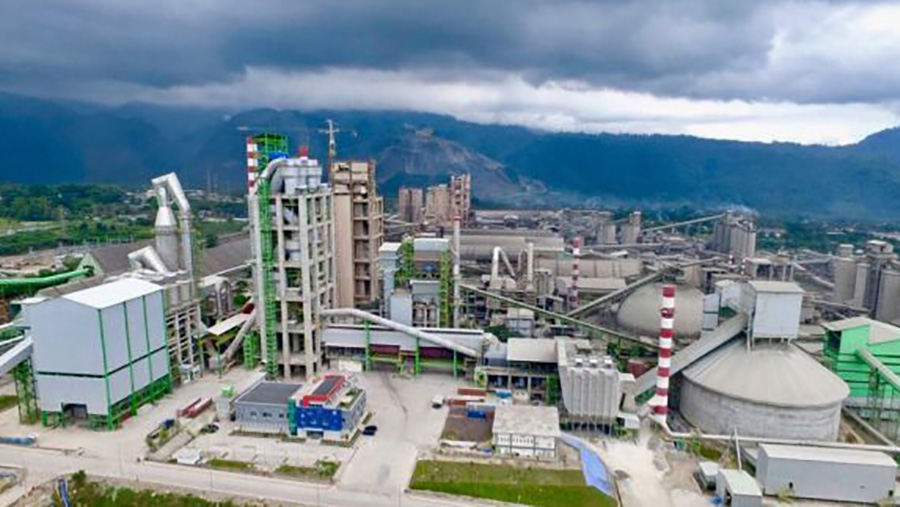
Stocks down to two or three days of operation
Indonesia's cement producers are running critically short of coal because deliveries under the country's domestic market obligation (DMO) mechanism have stalled, according to Bloomberg Technoz. Lilik Unggul Raharjo, chairman of the Indonesian Cement Companies Association (Asosiasi Perusahaan Semen Seluruh Indonesia, Asperssi), described the situation as a scarcity crisis for the sector.
“As of early September 2026, coal stocks at most cement plants have thinned to only two to three days of operation,” Lilik told Bloomberg Technoz on Thursday, 24 September 2026.
The DMO mechanism obliges coal producers to set aside part of their output for domestic buyers, including power generators and industrial consumers such as cement plants. The account given by Asperssi points to a delivery failure rather than an absence of committed tonnes: the coal is allocated, but it is not reaching the factory gate.
El Niño dries the rivers that carry the coal
Bloomberg Technoz reported that the supply disruption coincides with the El Niño phenomenon, which has dried out rivers and created logistics obstacles for coal shipments to cement plants. Indonesian coal typically travels from mine to customer by river barge before transhipment, so lower water levels cut the loadable draught of each barge and stretch turnaround times.
That combination is difficult to solve with contracts alone. When the constraint sits in the waterway rather than in the mine, additional allocations do not move faster, and buyers cannot simply order more tonnes to rebuild cover. The association has not disclosed how long the delivery backlog has been building or which producing regions are worst affected.
Why a two-day buffer is a production risk
Cement is produced in rotary kilns that operate continuously, and coal is the dominant thermal fuel in Indonesian plants. Stock cover measured in days leaves almost no room for a delayed barge, a weather event or a berth queue. An unplanned kiln stoppage is costly: the system has to be cooled and then reheated, consuming fuel and operating hours before saleable clinker resumes.
Thin fuel cover also limits commercial flexibility. Plants operating hand to mouth have little scope to time purchases, and any replacement volumes bought outside the DMO channel are exposed to prevailing market terms rather than the regulated domestic arrangement. For cement producers, fuel is one of the largest controllable cost items in clinker production, so the disruption feeds directly into unit costs.
What the industry is watching
- Whether river levels recover enough to restore normal barge schedules to cement plants.
- Whether stalled DMO allocations are re-routed, rescheduled or supplemented by purchases outside the scheme.
- Kiln utilisation at the plants closest to a stock-out, and any resulting cuts to clinker output.
- Any pass-through into domestic cement prices and into construction project costs.
Asperssi has not published a plant-by-plant breakdown of stock levels, and no figures have been released on the volumes held up in transit or on the number of factories affected. The association's statement to Bloomberg Technoz remains the immediate basis for assessing the severity of the shortage, with the duration of the dry conditions the key variable for how long cement makers operate on a two-to-three-day fuel cushion.