Indonesia Deploys 1.3 Million Tonnes of Bulog Rice to Contain Consumer Prices
Indonesia is expanding nationwide sales of subsidized SPHP rice through Bulog, targeting distribution of up to 1.3 million tonnes by December 2025. The intervention seeks to reduce retail prices while maintaining a government purchase price of Rp6,500 per kilogram for farmers’ paddy.
Government releases rice through Bulog
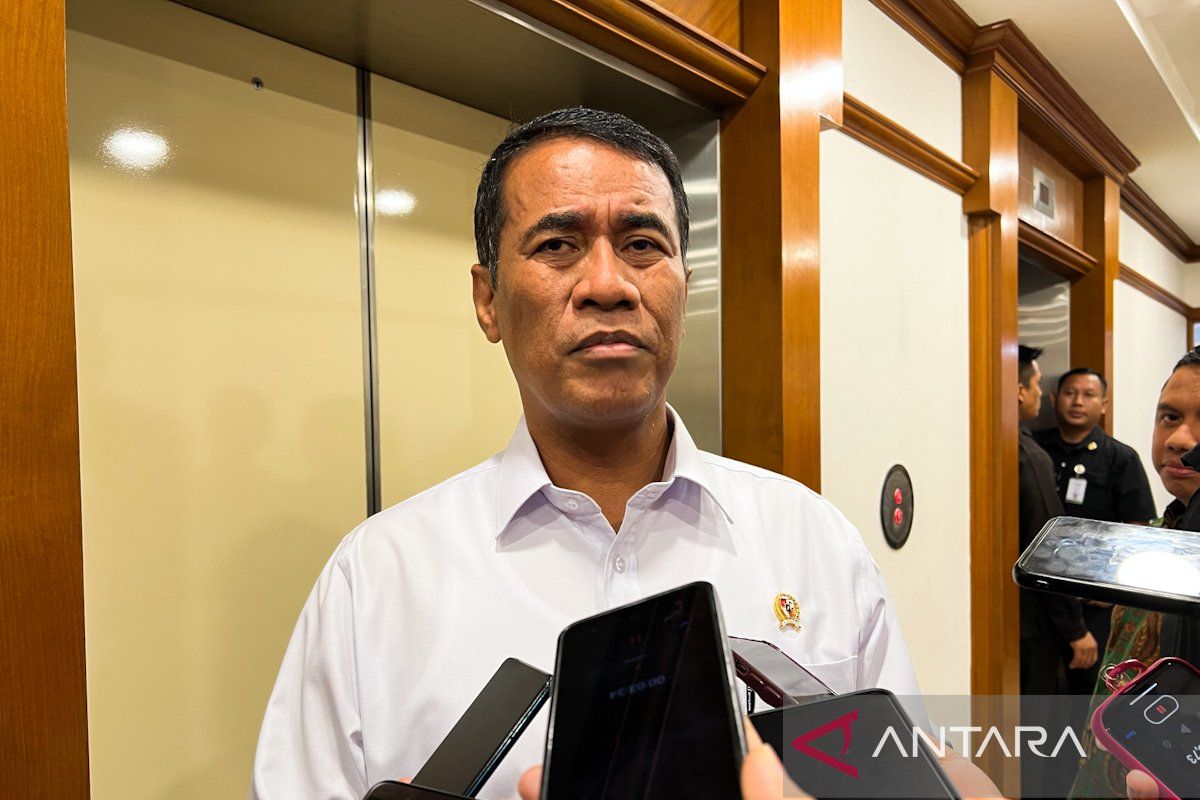
Indonesia is expanding nationwide rice market operations through state logistics agency Perum Bulog as the government seeks to contain rising consumer prices. Agriculture Minister Andi Amran Sulaiman said the authorities were releasing 1.3 million tonnes of rice under the Food Supply and Price Stabilization program, known as SPHP.
According to ANTARA, the rice is being offered at affordable prices of Rp12,000 to Rp12,500 per kilogram as part of an intervention ordered by President Prabowo Subianto. Amran said the operation had already contributed to lower rice prices in 13 provinces and that the government expected prices to decline further as distribution continued.
The national program uses several sales channels rather than relying solely on traditional markets. Bulog supplies market retailers, Merah Putih village and urban ward cooperatives, stalls supported by regional governments, low-cost food markets, state-owned enterprises and government agencies. The breadth of that network is intended to move public stocks closer to consumers across the archipelago.
Regional price ceilings reflect logistics costs
SPHP rice is sold under three regional maximum retail price bands. The ceiling is Rp12,500 per kilogram in zone 1, covering Java, Lampung, South Sumatra, Bali, West Nusa Tenggara and Sulawesi. It rises to Rp13,100 in zone 2, which includes the rest of Sumatra, East Nusa Tenggara and Kalimantan, and to Rp13,500 in zone 3, covering Maluku and Papua.
The differentiated ceilings underline the logistical challenge of a nationwide intervention in an island economy. Its effect on household prices will depend not only on the headline allocation but also on the speed and geographic reach of deliveries, particularly in regions where transport costs are higher.
National Food Agency head Arief Prasetyo Adi said cumulative SPHP distribution reached 239,500 tonnes by the third week of August 2025. Of that amount, 181,100 tonnes were distributed in January and February. Distribution was then temporarily suspended during the main harvest to prevent subsidized rice from depressing paddy prices, except in selected areas such as Papua where subsidies continued.
Consumer support balanced with farm prices
Shipments resumed in July, with the government targeting up to 1.3 million tonnes for this phase by December 2025. Distribution during the third phase had reached 58,400 tonnes as of August 22, 2025. The full-year SPHP program had originally been designed with a target of 1.5 million tonnes.
The pause during the harvest illustrates the policy’s dual objective. Alongside cheaper rice for consumers, the government raised its purchase price for paddy to Rp6,500 per kilogram to protect farmers. Amran linked that measure to an improvement in the Farmers’ Terms of Trade index, although ANTARA did not provide an index figure.
Indonesia also holds more than 4 million tonnes in government rice reserves, compared with just over 1 million tonnes in 2023–2024, when the country imported rice. The larger reserve gives Bulog more capacity to intervene, but sustained price relief will depend on converting available stocks into regular deliveries without weakening the floor for domestic paddy. For producers and traders, the timing of releases will therefore be as important as their total volume.