Indonesia Bars Sweetened Condensed Milk and Milk Drinks from Free Meal Program
Indonesia's National Nutrition Agency has prohibited sweetened condensed milk, milk drinks and milk-flavoured beverages from the menu of the Free Nutritious Meals programme. Kitchens must instead serve plain pasteurised, UHT or sterilised full-cream milk containing at least 80% fresh milk. Procurement prices were set at Rp 3,000 for 125 ml and Rp 4,500 for 200 ml delivered to the kitchen.
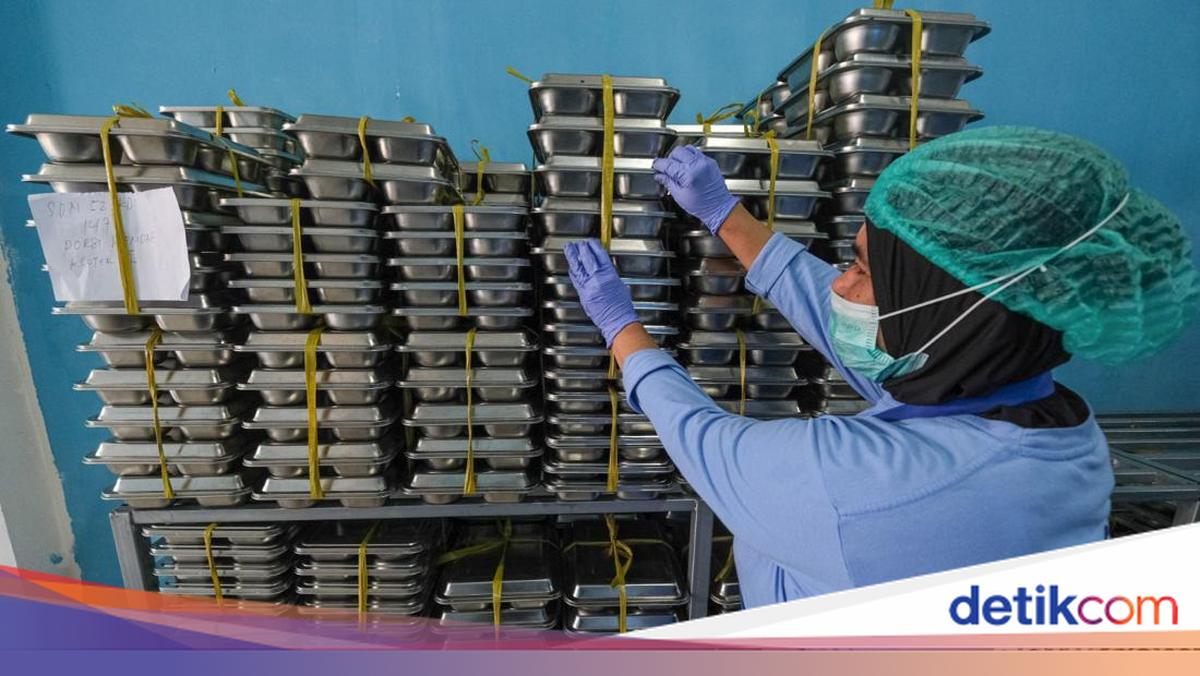
Indonesia's National Nutrition Agency (Badan Gizi Nasional, BGN) has barred sweetened condensed milk and a broad range of milk-based beverages from the menu of the government's Free Nutritious Meals programme (Makan Bergizi Gratis, MBG), directing implementing kitchens to serve plain animal milk instead.
According to finance.detik.com, the decision came out of a coordination meeting held by BGN with several ministries and agencies and with industry associations on Tuesday, 8 September 2026. The meeting was convened to discuss the use of animal milk in the MBG menu. The agency set out the outcome in a statement on its official Instagram account, @badangizinasional.ri, quoted on Wednesday, 9 September 2026.
Four product categories excluded
"BGN strictly prohibits the use of milk drink products, drinks containing milk, milk-flavoured drinks and sweetened condensed milk in the MBG menu," the agency said in the statement cited by detikFinance.
The prohibition covers:
- milk drinks;
- drinks containing milk;
- milk-flavoured drinks;
- sweetened condensed milk.
Sweetened condensed milk and flavoured milk drinks are among the cheapest dairy-labelled formats a caterer can place on a subsidised tray, and their exclusion removes that option across the entire programme.
What kitchens may serve
In place of the banned items, BGN recommends animal milk for beneficiaries, a group it defines as pregnant women, breastfeeding mothers, children above two years of age and all pupils enrolled in the programme.
The permitted formats are pasteurised milk, UHT milk and sterilised full-cream plain milk. Those products may not contain added sugar, preservatives, flavourings or colourings. Milk used in the programme must contain at least 80% fresh milk and must hold an official marketing permit from BPOM RI, Indonesia's food and drug control agency.
"Specifically for pasteurised milk products, handling must use a cold chain system from the production facility until it reaches the hands of the beneficiary," BGN said in its statement.
The 80% fresh-milk floor is the operative constraint for suppliers: it rules out products recombined mainly from powder and water and ties programme volumes to raw milk collection. The cold-chain rule acts as a second filter, since only suppliers able to maintain refrigerated distribution to every kitchen can bid pasteurised milk, while UHT and sterilised milk, being shelf-stable, face no equivalent logistics test.
Fixed unit prices
BGN set procurement prices for animal milk delivered to the implementing kitchens at Rp 3,000 for a minimum volume of 125 ml and Rp 4,500 for 200 ml.
On a per-litre basis, that works out at Rp 24,000 for the smaller pack and Rp 22,500 for the larger one. The 125 ml format is therefore paid at a premium per unit of volume, a structure that offsets the higher packaging cost carried by small packs rather than the cost of the milk itself. Because the prices are quoted delivered to the kitchen, transport and, for pasteurised milk, refrigeration must fit inside the same figure.
Local dairy farmers and the paediatric debate
BGN linked the decision to domestic supply. "Through this decision, the use of animal milk in the MBG menu is expected not only to meet the adequacy of animal protein consumption for beneficiaries, but also to boost the productivity and welfare of local farmers across Indonesia," the agency said.
The measure lands amid public debate over dairy in the programme. detikFinance referenced a video in which the Indonesian Paediatric Society (IDAI) told BGN that a mass formula-milk policy within MBG carries risks.
For processors and dairy suppliers, the practical effect is a reallocation of government-supported demand: away from sweetened, flavoured and milk-containing beverages, and towards plain drinking milk that must clear a fresh-milk content threshold, a BPOM permit requirement and, for one of the three permitted formats, a cold-chain obligation running all the way to the beneficiary.