Indonesia Audits Six Lithuanian Dairy Processors for Market Access
Indonesian food authority auditors are assessing six Lithuanian dairy processors this week. Company executives describe the visit as one of the most important for the sector, as a successful outcome could support access to Indonesia’s dairy market.
Six processors undergo assessment
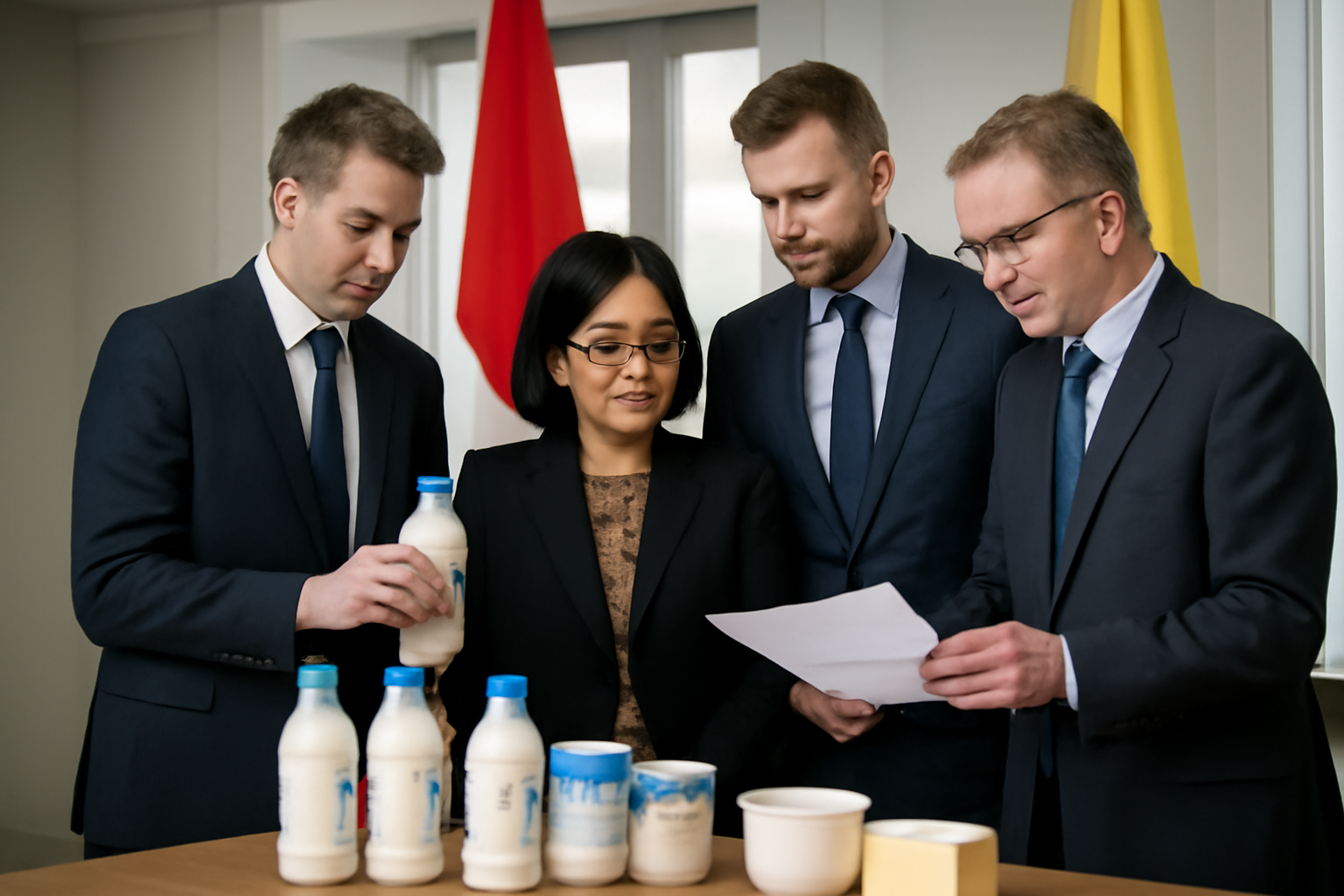
Auditors representing Indonesia’s food authorities are assessing six Lithuanian dairy processing companies this week, according to Kauno Diena. The visit puts the companies’ production operations under direct review as Lithuania seeks access to, or wider opportunities in, the Indonesian dairy market.
The available source material does not identify the six processors or specify which dairy products are covered by the assessment. It also provides no timetable for an Indonesian decision. However, executives at some of the companies told Kauno Diena that they had been waiting for the visit and described it as one of the most important inspections for their businesses.
Inspection is a key market-access step
The audit is significant because regulatory approval can determine whether a processor is eligible to supply a foreign market. In this case, Indonesian officials are examining Lithuanian facilities directly rather than relying only on a commercial agreement between sellers and buyers. The outcome will therefore affect whether the companies can move forward with their plans for Indonesia.
A successful assessment could create opportunities for the six processors to develop sales in an additional Asian market. It would not, by itself, guarantee contracts or shipment volumes. Lithuanian suppliers would still need to secure customers and compete on product specifications, price and delivery terms. No prospective export value, volume or starting date was disclosed in the supplied material.
Sector awaits the auditors’ findings
For Lithuania’s dairy industry, the immediate issue is whether all six plants meet the requirements applied by the Indonesian authorities. Approval of several processors would give potential Indonesian buyers a broader supplier base and allow Lithuanian companies to pursue business individually. If only some plants pass, market opportunities could be limited to the approved facilities. The source does not say whether decisions will be issued for each processor separately.
The visit also carries commercial weight because company executives have invested time in preparing for an assessment they regard as particularly important. Their comments indicate that access to Indonesia is a priority, although the source does not disclose individual company strategies or planned product ranges.
Commercial impact depends on approval
Until the audit is completed and Indonesia communicates its findings, the commercial effect remains uncertain. There are no confirmed orders, shipment commitments or capacity changes in the available information. The event is therefore best understood as a regulatory assessment with the potential to unlock sales rather than as confirmation that exports have begun.
Processors, prospective buyers and logistics partners will be watching for the scope of any approvals and the conditions attached to them. Those details will determine which plants and products can participate. For now, the central confirmed development is that Indonesian auditors are reviewing six Lithuanian dairy processors, with industry executives treating the visit as a major step toward the market.