Indian egg prices face further pressure as feed costs rise
Egg prices in India have risen nearly 40% over the past year. Abhi Eggs expects input costs to increase by another 15–20% by December, intensifying debate over maize policy and affordability.
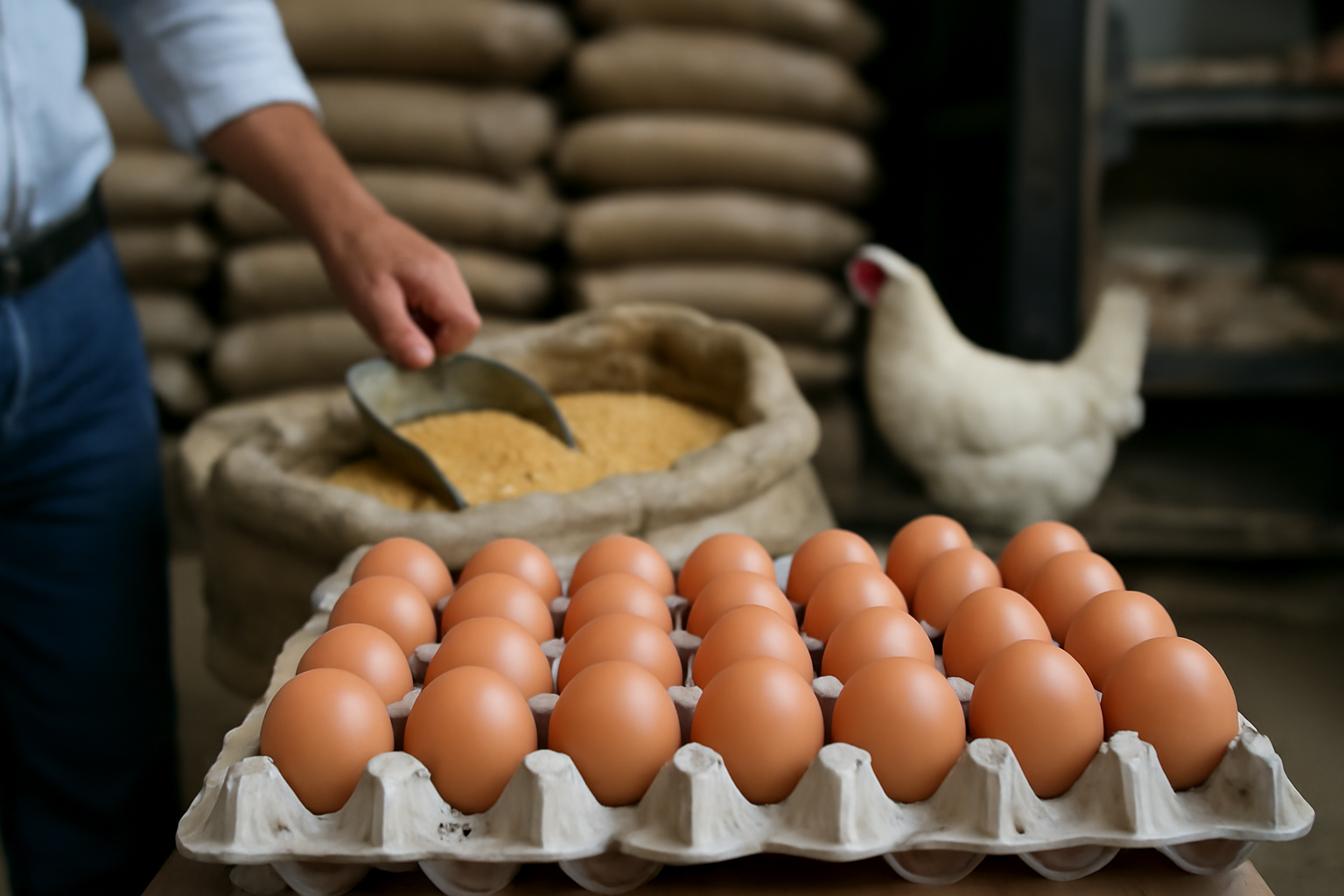
Egg prices rise nearly 40%
Egg prices in India have increased by nearly 40% over the past year, putting one of the country’s widely consumed foods under renewed cost pressure. The increase has sharpened attention on production expenses and on whether the market could face another round of price gains during winter.
The available figures do not specify a national average price or show how the increase varies between producing regions and consumer markets. They nevertheless indicate a substantial annual movement. Producers must decide how much of the additional cost they can absorb, while wholesalers, retailers and consumers face uncertainty over the timing and scale of further adjustments.
Abhi Eggs forecasts higher input costs
Abhi Eggs, a branded egg producer, expects its input costs to rise by a further 15–20% by December. The forecast concerns production inputs rather than a confirmed increase of the same size in retail egg prices. The eventual effect on consumers will depend on how much of the cost increase moves through the supply chain.
That distinction matters for market participants. A 15–20% increase in inputs does not automatically produce an equivalent increase in the price of eggs, because producers, intermediaries and retailers may absorb different portions. Even so, rising costs after an annual egg-price increase of almost 40% leave less room for businesses to protect margins without changing their selling prices.
For branded suppliers such as Abhi Eggs, the pressure extends beyond the farm gate. Their pricing decisions must account for both higher production expenses and consumers’ ability to accept another increase. If prices rise too quickly, demand may weaken; if they remain unchanged while costs climb, producer and supplier margins come under pressure.
Maize policy moves into focus
Maize policy is central to the discussion because escalating feed expenses are shaping the outlook for the egg market. The issue for policymakers is whether maize availability and pricing can provide relief to producers without creating new pressure elsewhere in the agricultural market. No specific policy measure, maize price or supply estimate was included in the available information.
For producers and traders, the next signal will be whether the projected 15–20% increase in input costs materializes by December and how quickly it is reflected in egg prices. The nearly 40% rise already recorded over the past year means that further increases would begin from an elevated base. The market therefore faces a direct test of producers’ ability to manage feed costs while keeping eggs affordable for Indian consumers.