Indian dairy companies push up the value chain into paneer, yogurt, ghee and ice cream
India's dairy processors are beginning to look beyond liquid milk, the sector's traditional volume engine, in search of better margins in paneer, yogurt, ghee, ice cream and protein-based products, according to Punjab Kesari. The publication links the move to rising health awareness among consumers. No category sizes, investment totals or company targets were disclosed.
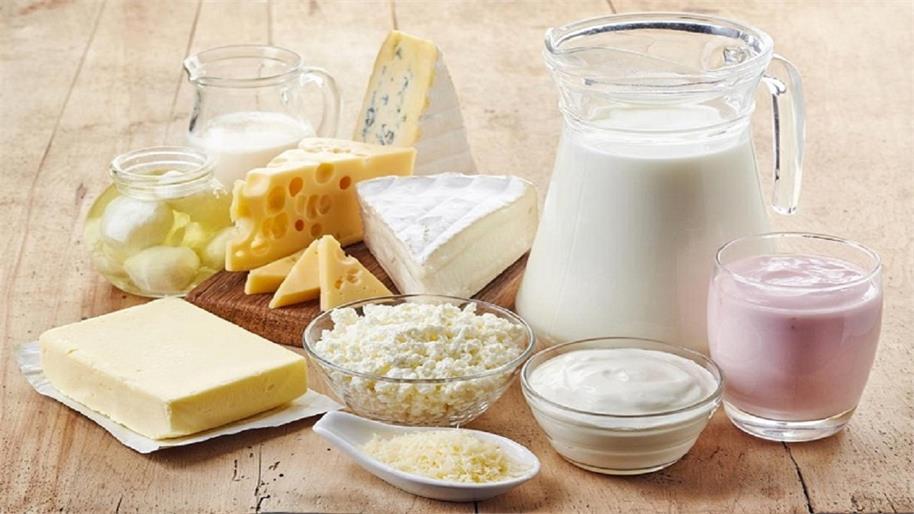
India's dairy companies are beginning to look beyond liquid milk, the sector's traditional volume engine, as they pursue better margins in paneer, yogurt, ghee, ice cream and protein-based products, according to a report by Punjab Kesari. The publication ties the move to rising health awareness among Indian consumers and to the search for profitability in categories where processing, rather than procurement scale, sets the price.
Why liquid milk caps profitability
Fresh milk remains the foundation of the Indian dairy business. It funds the procurement network, keeps collection routes full, justifies chilling infrastructure and puts a brand in front of households every morning. It is also the least differentiated product a dairy sells. Pouch milk competes largely on price and freshness, and any increase in the cost of raw milk passes almost immediately into the margin, because the finished product cannot be stored or repositioned.
Value-added dairy changes that arithmetic. The same litre of milk, converted into paneer, curd, ghee or ice cream, carries a longer shelf life, a defensible brand position and pricing set closer to the consumer than to the milk route. Punjab Kesari describes exactly this reasoning: companies are moving forward along the value chain in pursuit of higher margins rather than higher volumes.
The categories in play
- Paneer — a fresh cheese central to Indian cooking, sold in branded weighed packs rather than by the pouch, with quality and consistency as the differentiator.
- Yogurt and curd — a daily staple migrating from unbranded local supply into packaged formats, including flavoured and set variants.
- Ghee — the highest-value use of milk fat, with long shelf life, strong brand loyalty and an established presence in Indian diaspora export markets.
- Ice cream — a frozen category that depends on cold-chain reach and seasonal distribution, competing with confectionery as much as with dairy.
- Protein-based products — the newest of the group, drawing on the health-awareness trend Punjab Kesari cites and dependent on whey and milk-protein processing capability.
What the shift asks of processors
Moving up the value chain is a question of capital and capability, not simply of marketing. Each category demands different equipment and different milk components: ghee absorbs fat, while paneer and protein formats draw on solids-not-fat and, in the case of whey ingredients, require handling of a by-product that many Indian plants currently underuse. Ice cream requires frozen distribution all the way to the retail shelf, a far heavier logistics requirement than chilled pouch milk.
It also changes the competitive set. A dairy selling pouch milk competes with the cooperative down the road; a dairy selling packaged paneer, flavoured yogurt and ice cream competes with packaged-food companies for shelf space, advertising share and modern-trade listings. That shift typically raises working capital needs and marketing spend well before it lifts reported margins.
What the report does not quantify
The Punjab Kesari report sets out the direction of travel without attaching figures to it: no category sizes, growth rates, investment totals or company-level targets were disclosed in the material reviewed. For producers, processors and ingredient suppliers, the operative signal is one of industry intent rather than a measured shift in output. The scale of capital actually committed to these categories will determine how quickly the change reaches farmgate procurement and retail pricing.