Indian Buffalo Meat Strengthens Its Position in Vietnam’s Import Market
Vietnam imported about 108,200 tonnes of meat and meat products from India in the first half of 2026, with frozen buffalo meat accounting for most of the volume. Competitive prices and a domestic herd that supplies only half of demand are supporting imports, while product mislabeling is increasing pressure for stronger traceability.
India leads Vietnam’s meat suppliers
Vietnam imported about 108,200 tonnes of meat and meat products from India in the first half of 2026, worth nearly $462.8 million, according to Soha, citing preliminary Customs Department data. The volume increased 40.9% and the value rose 78.3% from the same period of 2025. Frozen buffalo meat accounted for most of these shipments, consolidating India’s position as Vietnam’s largest meat supplier.
Across all origins, Vietnam imported 494,300 tonnes of meat and meat products worth approximately $1.46 billion during the six months. Volume increased 9.6% year on year, while expenditure climbed 36.4%. India ranked ahead of the United States, Brazil, Australia and Spain, Thanh Nien reported.
The second quarter accounted for 271,100 tonnes valued at almost $810.1 million, increases of 21.5% in volume and 24.1% in value from the first quarter. The average price across Vietnam’s imported meat basket was about $2.95 per kilogram despite higher sea freight costs linked to geopolitical conflicts.
Price advantage meets a domestic supply gap
More detailed Indian trade data cited by Thanh Nien show that Vietnam imported approximately 86,200 tonnes of buffalo meat worth nearly $371 million through May 2026. The average import price was about $4,301 per tonne, equivalent to 112,000 dong per kilogram. Soha separately cited Beef Central as placing the Indian buffalo meat export price at $4,392 per tonne in the second quarter, nearly 60% above the $2,780-per-tonne average reported for Vietnam’s imports in the first half of 2025.
Even after that increase, Indian product retains a strong competitive position. Tuoi Tre quoted livestock specialist Nguyen Van Trong as saying that imported Indian buffalo meat costs roughly the same as live buffalo in Vietnam. Domestic feed represents 60-75% of livestock production costs, while much of the raw material used in feed is imported.
Vietnam’s buffalo herd declined from about 2.33 million animals in 2020 to approximately 1.95 million in 2025, an average contraction of 3.63% a year. Domestic production now covers only half of buffalo-meat consumption, according to Nguyen Van Trong. Slow reproduction, declining breeding quality and weaker returns than for other livestock have constrained herd recovery.
Imports grow as traceability risks surface
India already supplied Vietnam with 188,700 tonnes of meat and meat products worth $681 million in 2025, representing more than 19% of national import volume, according to customs figures reported by Thanh Nien. Beef Central provided a different market estimate, cited by Soha, placing Vietnamese imports of Indian buffalo meat at about 300,000 tonnes that year. The figures appear to use different product coverage or reporting methodologies.
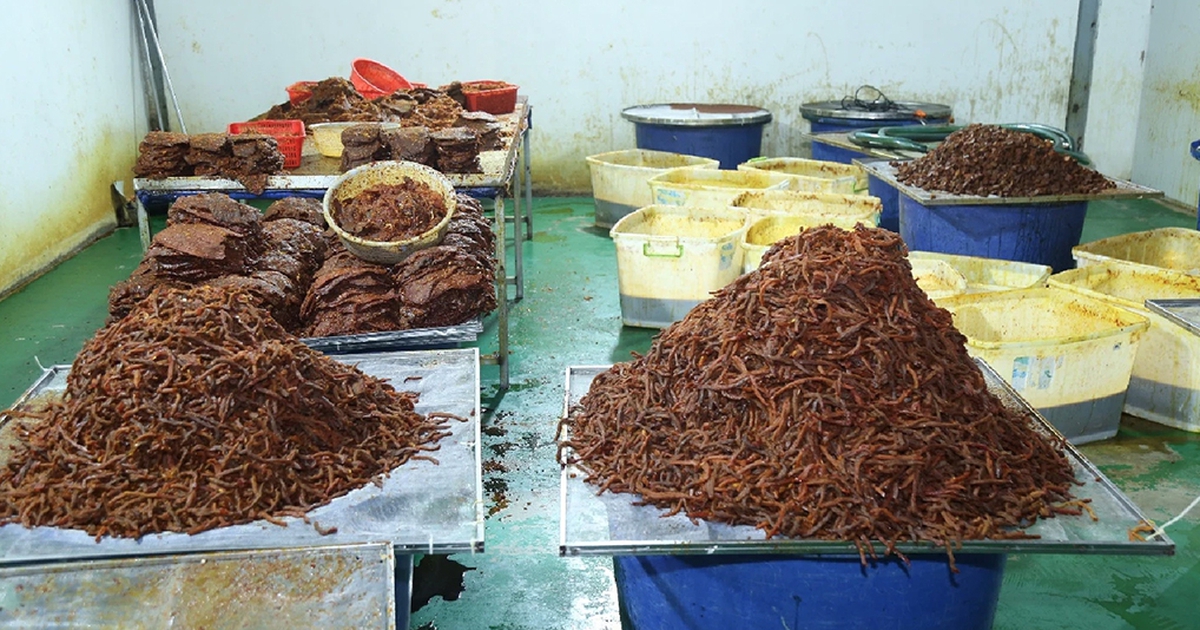
Imported frozen buffalo meat is distributed mainly to restaurants, food processors and wholesalers. This channel has also become a focus for enforcement. Thanh Nien reported that Tran Le Foods bought about 130 tonnes of Indian frozen buffalo meat for nearly 17.7 billion dong from May 27, 2025, producing around 65 tonnes of dried meat sold as beef and generating about 21 billion dong in revenue. Authorities seized more than 2 tonnes of falsely labeled dried beef in the case.
The underlying trade is legal when veterinary, disease-control and food-safety requirements are met. The commercial risk arises when inexpensive imported buffalo meat is relabeled as beef or a regional specialty. For importers and processors, stronger batch-level traceability and accurate labeling will be central to preserving access to a market where domestic supply remains insufficient and price-sensitive consumers continue to support imports.