India weighs consumer and industry concerns over ethanol-blended fuel policy
India is advancing ethanol blending as part of its pursuit of energy security, environmental protection and greater economic self-reliance. The policy must also address unresolved concerns among consumers and industry participants.
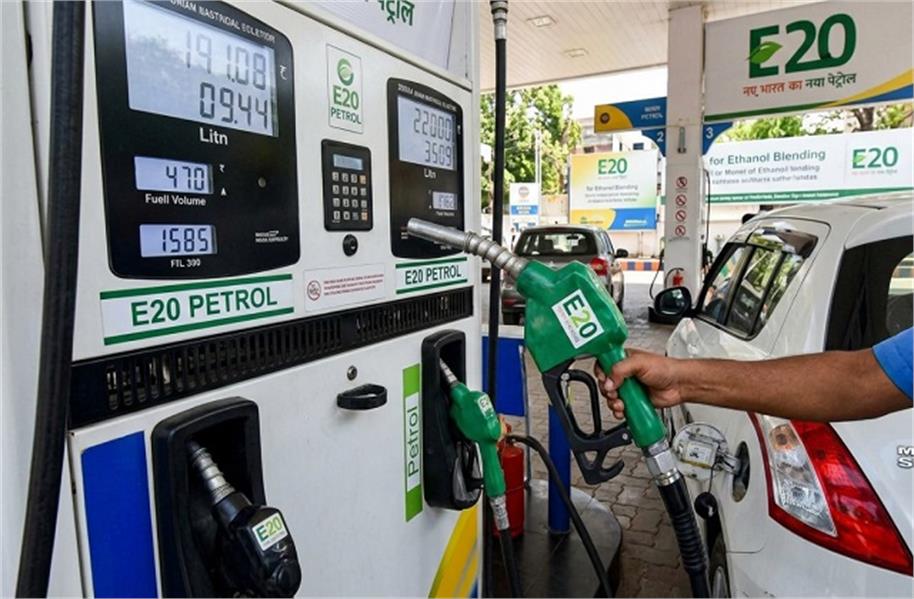
Three policy objectives converge
India is moving ahead with ethanol-blended petrol as part of a broader strategy linking energy security, environmental protection and economic self-reliance. Punjab Kesari presents the policy as an attempt to pursue all three objectives simultaneously, while also acknowledging apprehensions surrounding its implementation.
The approach gives ethanol a role beyond its immediate use as a fuel component. For policymakers, domestic blending can support efforts to reduce dependence on conventional petrol and strengthen control over the country’s energy supply. It also connects fuel policy with domestic production, processing and investment decisions.
Industry must manage an interconnected supply chain
An expanded blending programme affects several groups at once. Ethanol producers need dependable demand and clear operating conditions. Fuel suppliers must manage procurement, blending and distribution. Agricultural and industrial processors must decide how much capacity to commit, while petrol retailers need a product that can be supplied consistently across the market.
These interests do not always move in the same direction. A policy designed to promote self-reliance can create opportunities for domestic producers, but its credibility depends on reliable feedstock availability, processing capacity and fuel quality. Any mismatch between policy ambitions and physical supply could affect producers, distributors and motorists differently.
Consumer confidence remains central
The apprehensions highlighted in the Punjab Kesari headline indicate that public acceptance cannot be treated as a secondary issue. Motorists need clarity about fuel compatibility, vehicle performance and the practical consequences of using blended petrol. Industry participants likewise need predictable specifications so that investment and operating decisions are based on stable requirements.
The central challenge is therefore one of balance. India’s policy links ethanol blending to strategic national goals, but implementation must account for the concerns of the businesses that produce and distribute the fuel and the consumers who use it. Clear standards, consistent communication and coordination across the supply chain will determine whether the programme can advance energy security, environmental protection and self-reliance together.