India promotes UK free trade deal as tariff win for exporters
India's government is promoting the India-UK free trade agreement as a way for Indian exporters to reach the British market on better terms, according to News18 Hindi. Commerce Minister Piyush Goyal named tea and pharmaceuticals among the products set to benefit. The cited report gives no tariff rates or timelines.
India frames UK free trade deal as a tariff win for exporters
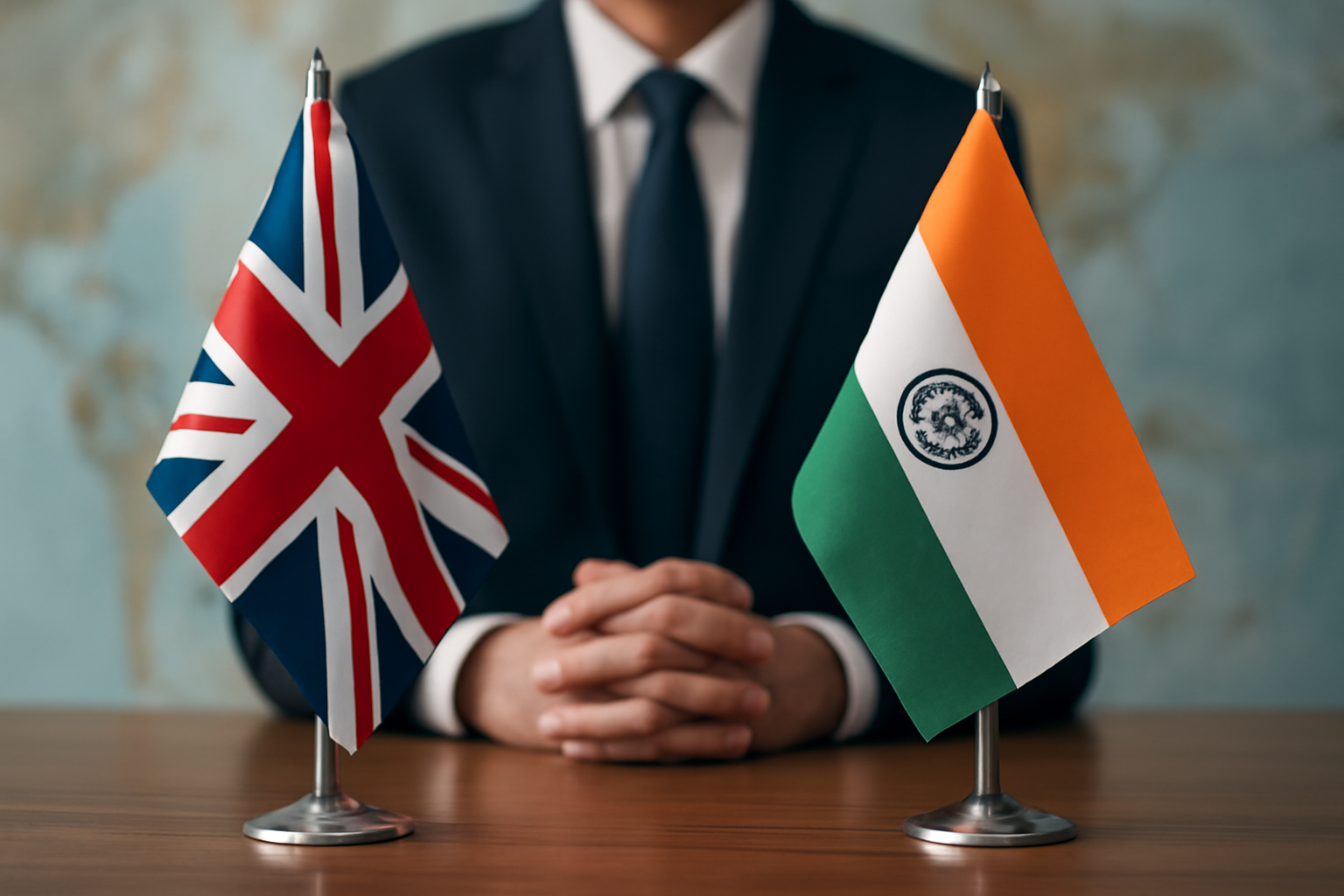
India's government is presenting the free trade agreement (FTA) between India and the United Kingdom as an opening for Indian exporters to sell into the British market on more favourable terms, according to News18 Hindi. Union Minister Piyush Goyal said the deal would create new opportunities for a broad range of Indian products, from tea to pharmaceuticals, by improving their access in the UK.
Tea and pharmaceuticals singled out
News18 Hindi frames the agreement around everyday consumer and health goods, naming tea and pharmaceuticals as the categories set to benefit first. The core message attributed to Goyal is that Indian products will reach British buyers more cheaply once the agreement's tariff provisions take effect, and that domestic exporters will gain wider access to the UK market.
For exporters, the value of an FTA lies in tariff treatment. Lower or eliminated import duties reduce the landed cost of goods and can make Indian shipments more price-competitive against suppliers from countries that do not hold the same preferential terms. The report presents the deal in exactly these terms, stressing cheaper access for British consumers to Indian goods.
Both categories are established strengths of Indian export trade. Tea is a traditional agricultural export, while India's pharmaceutical industry is a significant supplier of medicines to global markets. Preferential access to a developed market such as the UK matters for these sectors because tariff and regulatory barriers directly affect their competitiveness abroad.
A deal framed as mutual gain
The official messaging positions the agreement as beneficial to both sides rather than a one-way concession. British consumers are described as gaining access to Indian products at lower prices, while Indian producers and exporters gain a larger and more accessible market. Goyal, who holds India's commerce portfolio, is cited by News18 Hindi presenting the FTA as a shared benefit for the two economies.
Details still to watch
The cited report does not specify tariff rates, product-level schedules, or the timeline on which reductions take effect. Those details matter most for importers and exporters: which goods qualify, the phase-in period, and the rules of origin will determine how quickly and how much the agreement shifts real trade flows. Tea exporters and generic-drug manufacturers are the constituencies most directly addressed by the government's framing, as both sectors are export-oriented and sensitive to tariff and regulatory access in their destination markets. Until the full tariff schedules are published and in force, the practical impact on tea and pharmaceutical shipments to the UK will depend on the agreement's fine print.