India's state oil firms tender for 2.75 million tonnes of US LPG for 2027 delivery
India's state-owned oil companies have floated a tender to import 2.75 million tonnes of liquefied petroleum gas from the United States for delivery in 2027, Navbharat Times reports. The publication links the timing to continuing tensions in West Asia and frames it as a shift away from India's traditional Middle Eastern supply base. Pricing terms, the participating buyers and the receiving ports were not disclosed.
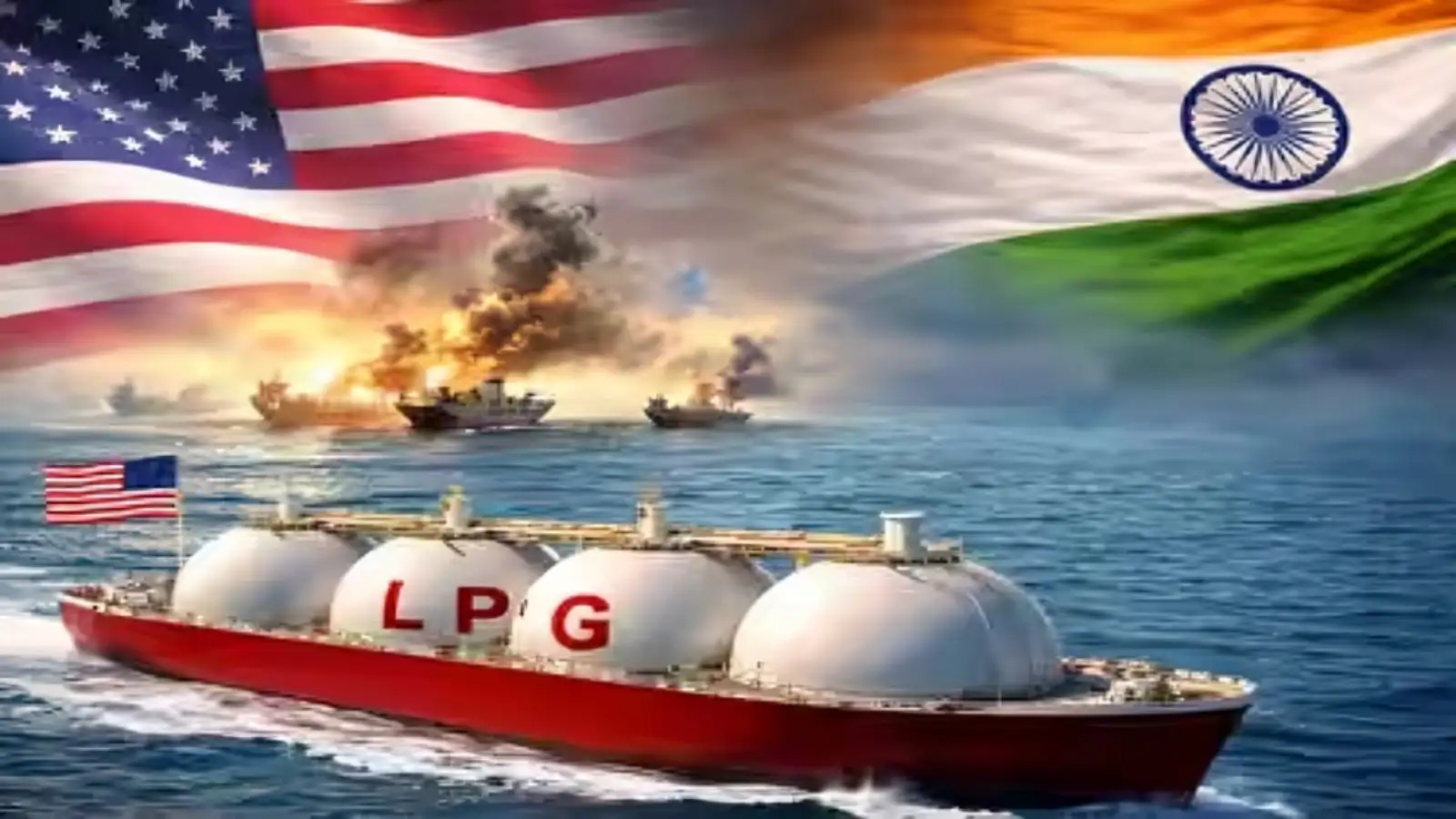
India's state-owned oil companies have issued a tender to import 2.75 million tonnes of liquefied petroleum gas (LPG) from the United States, with deliveries scheduled for 2027, Navbharat Times reported. The Hindi-language business publication said the tender was floated against the backdrop of continuing tensions in West Asia, and described it as a shift in India's procurement focus away from the Middle East, the region that has traditionally supplied the bulk of the country's imported cooking gas.
One tender, a long lead time
Two elements define the transaction. The first is scale: 2.75 million tonnes directed to a single origin in one procurement exercise. The second is timing, because the cargoes are for delivery in 2027 rather than for the coming months. Tenders written that far ahead are normally used to secure cargo availability and shipping capacity before the delivery window opens, which points to forward planning rather than an emergency response to a current shortage.
Navbharat Times attributed the tender to government oil companies without naming the individual buyers, and did not disclose pricing terms, the propane-to-butane ratio, loading windows or the receiving ports. Those parameters determine how much of the volume existing import infrastructure can absorb and how the barrels are valued, and they remain unreported.
Why the change of origin matters
LPG in India is consumed mainly as household cooking fuel, distributed in cylinders through the national retail networks of the state oil companies, with additional use in industry and as autogas. That demand profile makes import volumes relatively insensitive to short-term price moves: cylinders have to be filled regardless of where the molecules come from, so the commercial question is usually about origin, freight and contract structure rather than whether to buy at all.
Sourcing from the US Gulf and from the Middle East are not interchangeable operations. Gulf cargoes reach Indian terminals on short voyages, while American cargoes travel far longer distances and depend on different loading terminals, vessel scheduling and price references. A term commitment of this size therefore shapes freight demand as much as it shapes supply, because each tonne booked from the United States occupies a very large gas carrier for substantially more time than the same tonne lifted from the Persian Gulf.
The geopolitical element cited by Navbharat Times is the exposure of Gulf-to-India LPG flows to a single maritime corridor. Moving part of the requirement to an origin outside that corridor reduces the share of supply that a disruption in West Asia could interrupt at once, and it gives buyers an alternative price reference in talks with incumbent suppliers.
What the report leaves open
- The identity of the state refiners participating in the tender.
- Whether 2.75 million tonnes is a firm annual volume or an indicative ceiling.
- The pricing formula and delivery terms attached to the cargoes.
- Whether comparable volumes will still be contracted from Middle Eastern suppliers for the same period.
Until those details are published, the measurable facts are the ones reported by Navbharat Times: a tender for 2.75 million tonnes of US LPG, delivery in 2027, issued by India's state oil companies while tensions in West Asia continue. Participants across the chain, from US exporters and Gulf producers to gas carrier owners and Indian importers, will treat the volume and the delivery year as the operative numbers, since both fix commitments well before the cargoes move.