India’s tea majors lose pricing power as cheaper imports intensify competition
India’s tea market has remained deflationary for four to five quarters as adverse weather and cheaper imports pressure domestic companies. The prolonged decline is weakening pricing power and increasing competition for the country’s leading tea businesses.
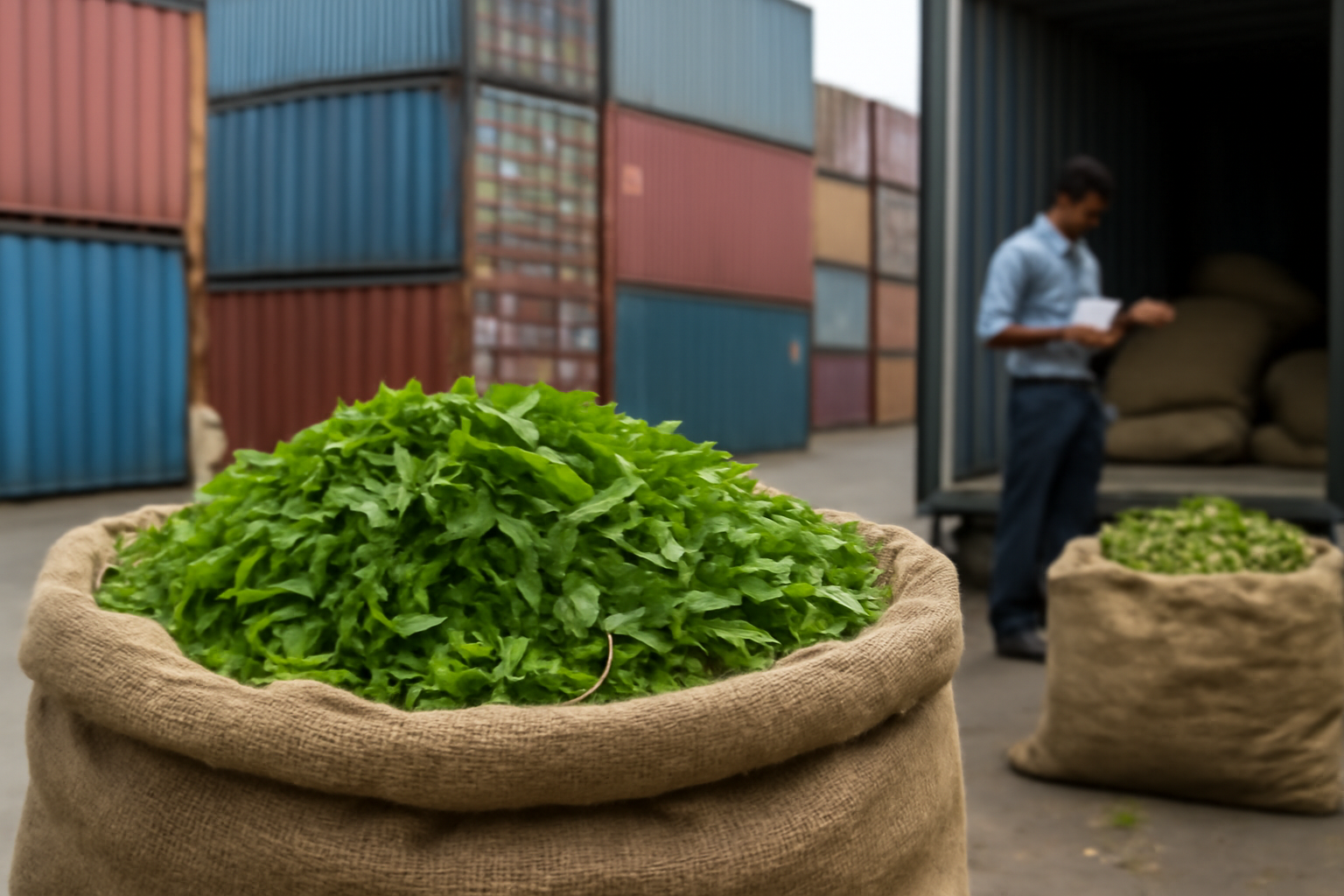
Tea market remains in a prolonged deflationary phase
India’s leading tea companies are facing growing competition from cheaper alternatives after four to five consecutive quarters of deflation in the overall market, The Indian Express reports. The pressure reflects a combination of adverse weather and an increase in lower-priced imports, creating a difficult operating environment for businesses accustomed to competing through established brands and domestic supply networks.
A prolonged deflationary phase means companies have less room to raise selling prices, even when conditions affecting production become less favorable. For major tea businesses, that can weaken their ability to pass costs through to customers and force greater attention on volumes, product positioning and cost control. The effects can extend from producers and processors to wholesalers and retailers, although the available source material does not quantify changes in output, prices or company earnings.
Imports increase competition on price
Cheaper imported tea is adding another source of pressure. Lower-priced alternatives can influence purchasing decisions wherever buyers view different supplies as interchangeable. This can restrict the pricing power of domestic companies and make it harder for higher-priced products to retain market share without a clear difference in quality, brand strength or customer demand.
The source does not identify the countries supplying the additional imports or provide figures for import volumes and prices. It therefore remains unclear how much imported tea has entered India or which producing countries have gained the most. Nevertheless, the reported increase is significant for market participants because import competition can affect negotiations across the supply chain, including purchases by processors, packers and other commercial buyers.
Weather and competition create opposing pressures
Adverse weather normally presents a supply-side risk because it can disrupt agricultural production and the availability or quality of harvested tea. In this case, however, the market has remained deflationary while cheaper imports have increased. That combination suggests domestic supply difficulties have not translated into stronger pricing power for India’s largest tea companies.
For producers, the central issue is whether domestic selling prices provide sufficient support when weather conditions are unfavorable. For processors and branded tea companies, the challenge is maintaining margins while buyers have access to cheaper alternatives. Importers may benefit from demand for lower-cost supplies, while domestic sellers face greater pressure to demonstrate why their products merit a price premium.
Industry awaits clearer evidence of a price recovery
The duration of the downturn is material: four to five quarters is long enough to affect commercial planning, purchasing decisions and price expectations. Companies must assess whether deflation is temporary or whether cheaper competition will remain a persistent feature of the Indian market. Without disclosed data on production, trade volumes, prices or financial performance, the scale of the impact cannot yet be measured. The direction is clearer: India’s tea majors are operating with reduced pricing flexibility as weather-related difficulties coincide with more competition from lower-priced imports.