India supplied about 70% of Russia’s imported oil products in August 2026
India accounted for about 70% of Russia’s oil-product imports in August 2026, according to CREA data cited in the source material. The concentration emerged as Ukrainian drone attacks increased pressure on Russia’s energy system.
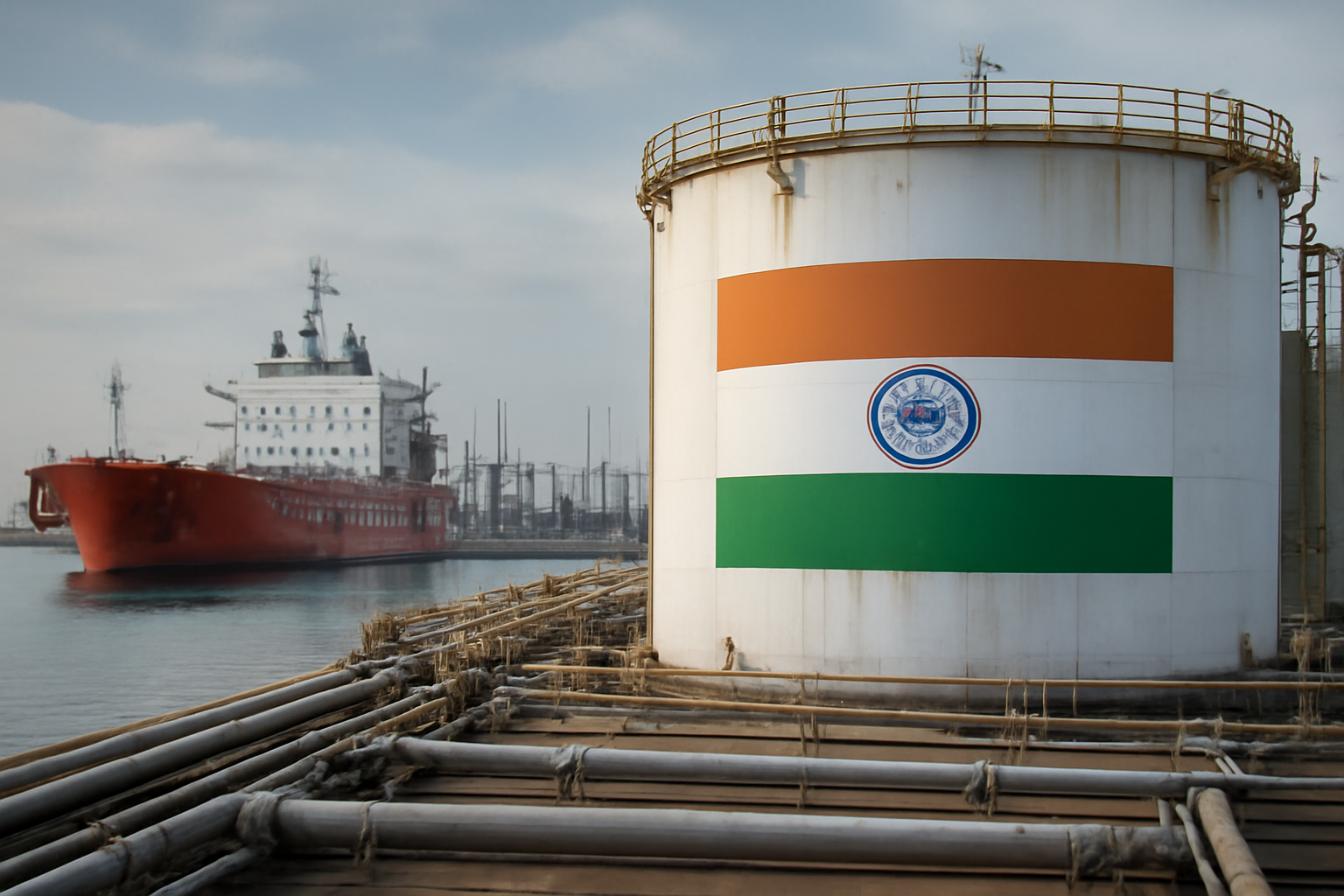
India becomes Russia’s dominant external fuel supplier
India supplied about 70% of Russia’s imported oil products in August 2026, according to data from the Centre for Research on Energy and Clean Air, or CREA, cited in the source material. The figure marks a pronounced concentration of Russian fuel-product purchases in a single supplying country.
The shift occurred while Ukrainian drone attacks were putting increasing pressure on Russia’s energy system. The available information does not specify the volumes involved, the individual petroleum products shipped or their value. It nevertheless indicates that India had become Russia’s principal external source of refined fuel products during the month.
That role is notable because the trade concerns finished or intermediate oil products rather than crude oil alone. Such products can include fuels and other refinery outputs, although the source material does not provide a product-level breakdown. The reported 70% share should therefore be understood as India’s portion of Russia’s overall oil-product imports, not necessarily its share of every fuel category.
Attacks raise the value of alternative supply
Ukrainian attacks on Russian energy infrastructure have increased attention on the resilience of the country’s refining and fuel-distribution system. When domestic infrastructure is under pressure, imported oil products can help cover localized or product-specific shortages even if the country remains a major producer of crude oil and refined fuels.
For Russian buyers, a 70% reliance on one origin offers access to a large supply channel but also creates concentration risk. Any disruption involving shipping, payments, insurance, regulation or commercial availability between India and Russia could affect the flow of imported products. The source material does not report such a disruption, but the size of India’s share makes the bilateral route important to market participants.
Indian refiners and traders, meanwhile, gain a stronger position in supplying a market facing infrastructure pressure. The reported share suggests that Indian sellers were able to meet Russian demand at a scale unmatched by other foreign suppliers in August. No company names, contract terms, prices or delivery ports were disclosed in the provided information.
Trade implications depend on duration
The wider market effect will depend on whether the August pattern persists. A short-term increase may reflect immediate operational needs after attacks, while a sustained share near 70% would point to a more durable reorientation of Russia’s imported fuel supply toward India. The available CREA figure covers August 2026 and does not establish how long the concentration lasted.
For producers and refiners outside India, the reported share implies a limited position in Russia’s import mix during the period. For traders, shipowners and insurers, it raises the importance of routes connecting Indian supply with Russian demand. Importers in other markets may also watch whether Russian purchases compete for Indian refinery output, although the source material provides no evidence of resulting shortages or price changes elsewhere.
The central development is therefore the speed and scale of the sourcing shift: one country accounted for about seven out of every ten units of oil products imported by Russia in August 2026. Further data on volumes, product categories and subsequent months will be needed to determine whether India’s dominance was a temporary response to infrastructure pressure or a lasting feature of Russian fuel procurement.