India sting investigation finds imitation paneer entering Delhi-NCR food supply
An Aaj Tak investigation found imitation paneer made with vegetable oil, starch, emulsifiers and stabilizers being supplied from Haryana to Delhi-NCR. A supplier said daily deliveries reach 1,200-1,300 kilograms and can rise to 2,500 kilograms during wedding and festival seasons.
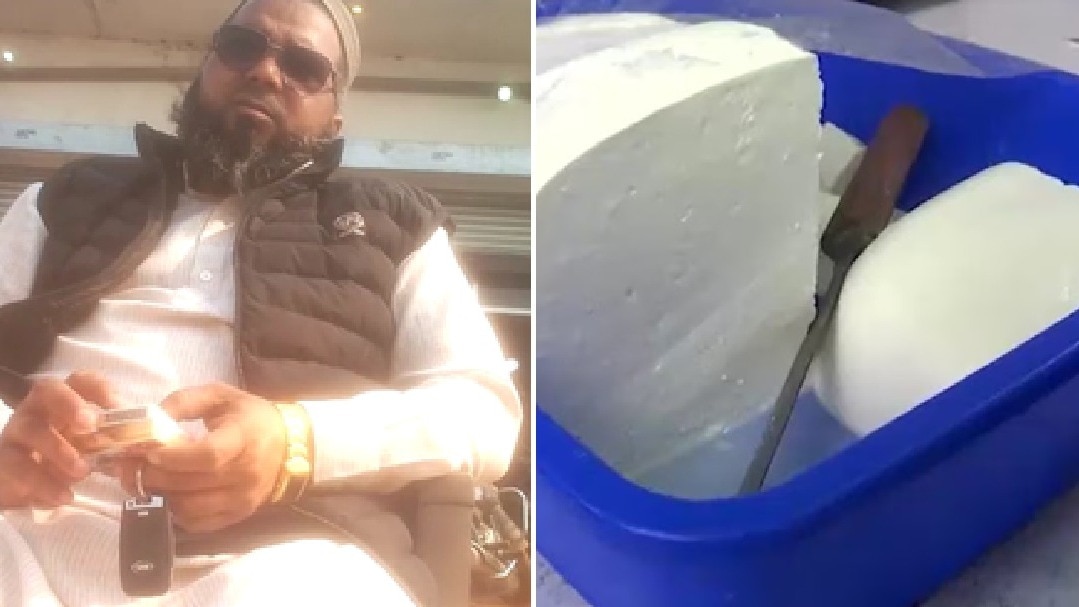
Investigation traces low-cost paneer supply
An investigative sting by Indian broadcaster Aaj Tak has documented the production and distribution of imitation paneer sold into the Delhi National Capital Region as dairy paneer. The investigation, conducted in February 2026, found products made with vegetable oil, starch, emulsifiers and stabilizers. These ingredients were being used with little or no milk to produce blocks that consumers may struggle to distinguish visually from conventional paneer.
Aaj Tak identified Haryana’s Mewat area as a principal supply centre for fake and analog paneer entering Delhi-NCR. At a factory identified in the report as MK Industry, a supplier named Haji Karar offered what he called “ragdu paneer” for 80 rupees per kilogram. The report compared that price with 450 rupees per kilogram for genuine paneer sold by a branded dairy company. The gap creates a powerful incentive for substitution by price-sensitive distributors, caterers and food-service operators.
Supplier reports deliveries to 15 distribution centres
Another Mewat supplier, identified as Saifi, told the sting team that approximately 1,200-1,300 kilograms of fake paneer were dispatched each day to 15 distribution centres across Delhi-NCR. He said daily volumes could reach 2,500 kilograms during wedding and festival seasons, when demand from caterers and restaurants rises. Mustafa, a supplier in Khedi Kalan, also told the broadcaster that obtaining pure paneer in the area was extremely difficult.
According to Aaj Tak, the products reach kitchens serving hotels, restaurants and large institutions. The findings therefore concern more than informal street sales: substitution can extend through wholesale and food-service channels where the final customer cannot inspect packaging, supplier records or ingredient declarations. Genuine dairy processors must compete with a visually similar product offered at less than one-fifth of the reported branded-paneer price.
Investigation extends to milk and khoya
The sting also examined alleged adulteration elsewhere in the regional dairy supply chain. In Shamli, Uttar Pradesh, a supplier named Shaukeen was recorded preparing fake milk with soda and vegetable ghee, according to Aaj Tak. In Baghpat, a supplier named Hashim was shown using soapstone, also called French chalk, to make fake khoya or mawa. The broadcaster described Shamli and Baghpat as supply points for fake milk and khoya, respectively.
India’s regulatory treatment of analog paneer is not uniform. Aaj Tak reported that Maharashtra, Chhattisgarh and Gujarat have prohibited its sale, including dishes made with it by shops, hotels, restaurants and street-food vendors. The report said authorities in those states have conducted raids. At national level, however, the Food Safety and Standards Authority of India does not regard analog paneer as wholly dangerous, according to the broadcaster, and no nationwide ban has been imposed.
Disclosure and enforcement remain central
The investigation distinguishes three products sold in the broader paneer category: dairy paneer made from milk, tofu made from soy milk and analog paneer made with oils, starch and additives. Tofu is a separately recognized soy product, while the central issue in the sting is the undisclosed sale of imitation material as dairy paneer. For producers and buyers, the findings put supplier verification, ingredient disclosure and traceability at the centre of risk management. For regulators, the price difference and seasonal increase in volumes show why inspections must cover factories, distribution centres and commercial kitchens rather than only retail counters.