India smartphone sales fall 11.1% as rising memory costs hit Chinese brands
Smartphone sales in India fell 11.1% in the second quarter as higher memory-component costs pushed device prices upward. Chinese brands suffered the greatest impact, indicating growing pressure on suppliers serving the Indian market.
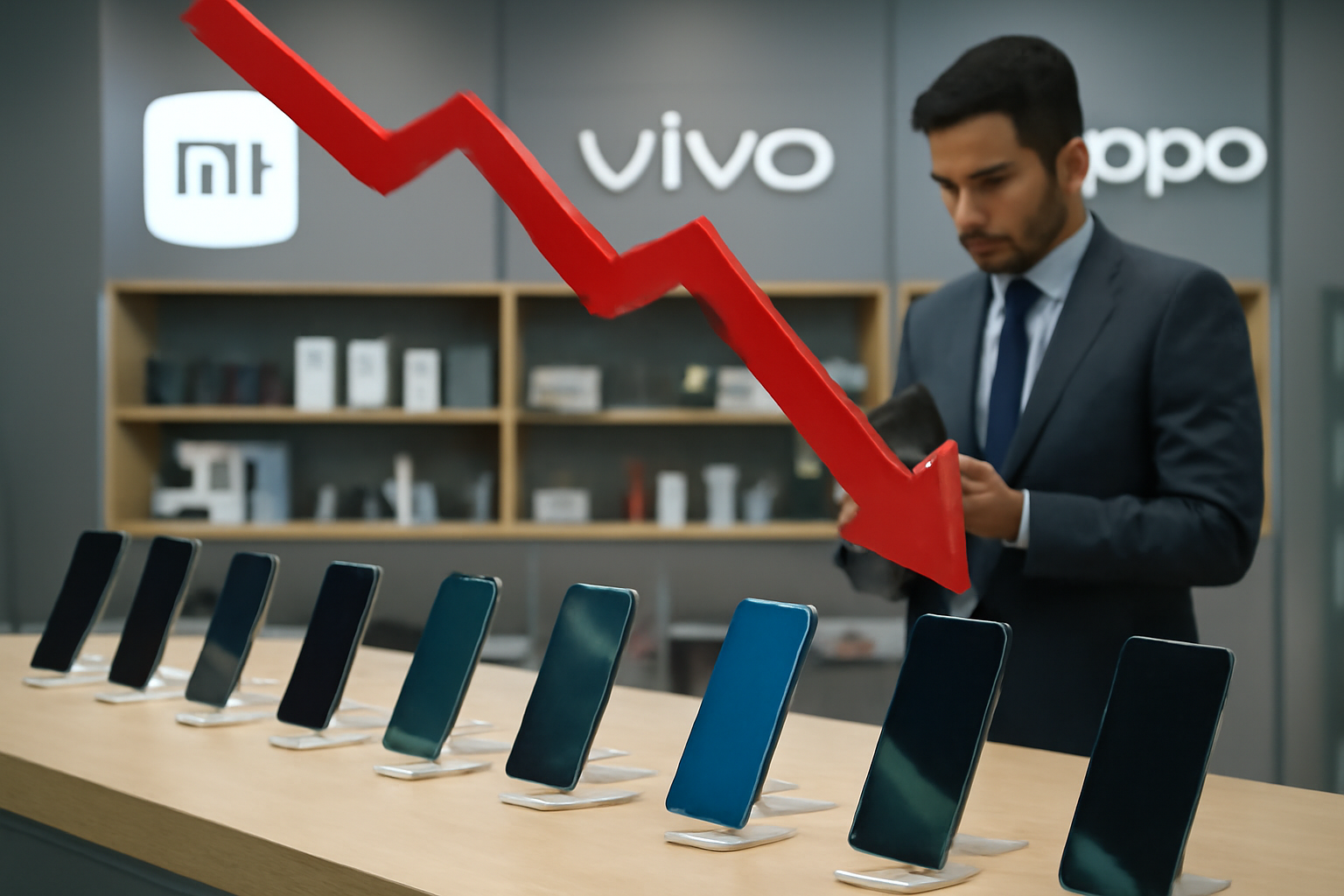
Higher component costs weigh on demand
Smartphone sales in India fell 11.1% in the second quarter, with rising memory-component costs and more expensive devices contributing to the market decline. Chinese smartphone brands experienced the greatest impact, according to the information accompanying the reported result.
The contraction highlights the sensitivity of Indian consumers to changes in handset prices. Memory is a central component in smartphones, and higher input costs can increase the pressure on manufacturers to raise retail prices. When those increases reach consumers, they can delay purchases, choose less expensive models or keep existing devices for longer.
The available information does not specify shipment volumes, individual brand results, market shares or the size of the increase in device prices. It also does not identify whether the 11.1% decline was measured from the previous quarter or from the same quarter of the previous year. Even so, the reported fall points to a broad deterioration in sales conditions during the quarter.
Chinese suppliers face the greatest pressure
Chinese companies have been hit hardest by the slowdown. That makes pricing decisions particularly important for brands competing across several price categories in India. Companies must decide how much of the increase in memory costs they can absorb and how much they need to pass on through device prices.
Absorbing higher costs can protect sales but reduces the amount earned on each handset. Raising prices supports margins but risks weakening demand further in a market already recording an 11.1% decline. The pressure also extends to distributors and retailers, which must manage inventory while consumer purchasing decisions become more price-sensitive.
For component suppliers, lower smartphone sales can affect procurement plans and order timing. Manufacturers may adjust memory configurations, product launches or the mix of models offered to limit price increases. The scale of any such response cannot be determined from the available information, but the cost increase gives brands a clear reason to review specifications and purchasing terms.
Price and inventory decisions move to the foreground
The next stage for the market will depend on whether memory costs continue to keep device prices elevated and whether Chinese brands can protect demand without sacrificing too much profitability. Producers will need to balance specifications, pricing and inventory, while retailers will watch how quickly existing stock moves.
The 11.1% fall does not by itself establish a lasting change in India’s smartphone market. More detailed shipment, pricing and brand-level data would be needed to distinguish a temporary quarterly decline from a longer period of weaker demand. For now, the result shows that component inflation is reaching the device market and that Chinese suppliers are carrying the largest immediate burden.