India’s Raksha Bandhan trade forecast at ₹250 billion as themed rakhis drive demand
Indian traders estimate that Raksha Bandhan 2026 could generate ₹25,000 crore in nationwide business. Rakhis featuring “Viksit Bharat,” “Modi Guarantee” and “BrahMos” themes are reported among shoppers’ preferred designs.
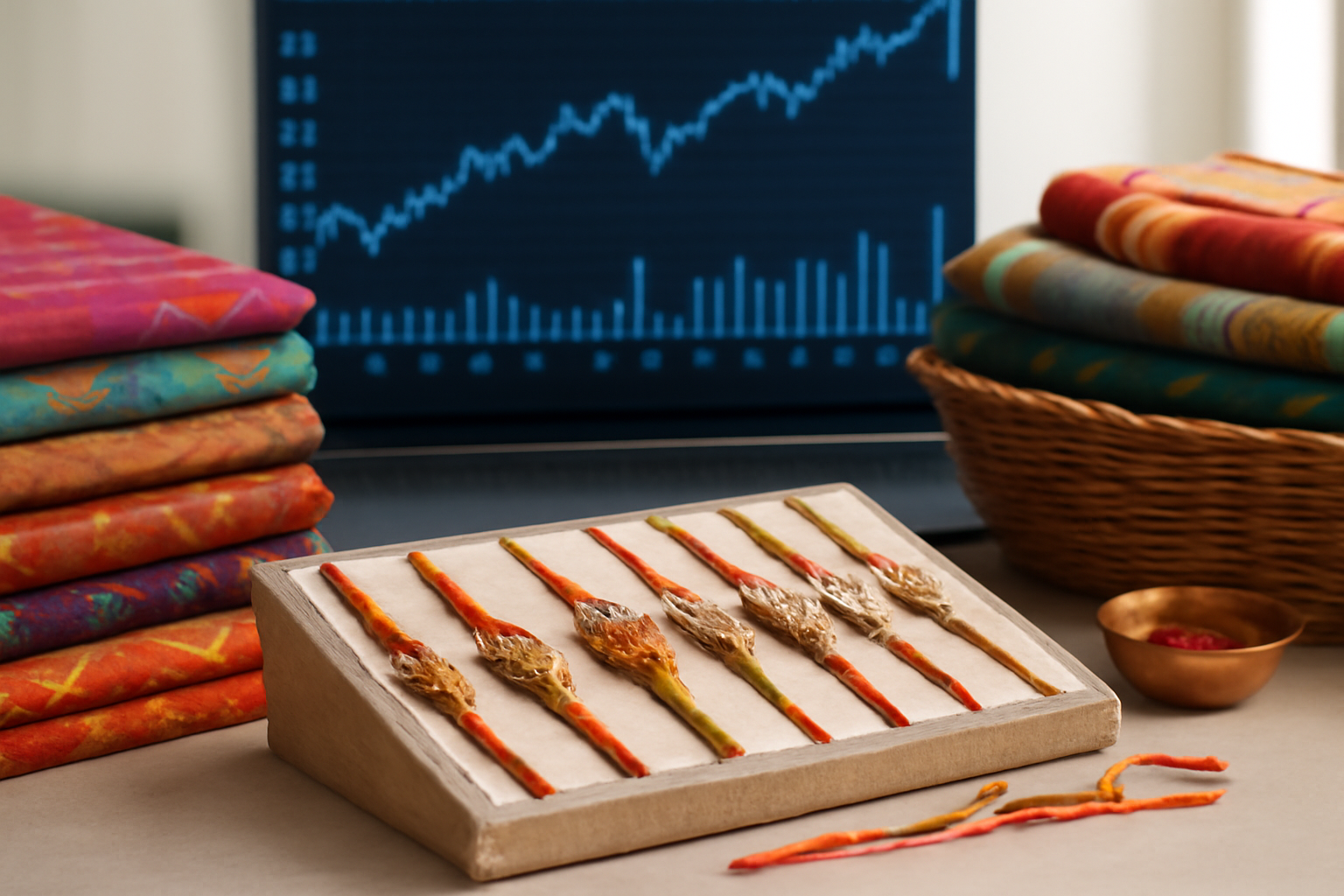
Traders project ₹25,000 crore in festival business
Retail markets across India are seeing strong shopping activity ahead of Raksha Bandhan 2026, with traders estimating total festival-related business at ₹25,000 crore, or ₹250 billion. The forecast points to the commercial importance of the annual celebration for sellers of rakhis and other seasonal consumer goods.
The estimate covers business across the country rather than a single city or retail chain. No detailed breakdown has been provided for sales by region, product category, physical stores or digital channels. Even so, the headline figure indicates that traders expect festival purchases to generate a substantial, short-duration increase in consumer spending.
For retailers, the period concentrates demand into a narrow sales window. Product selection, inventory availability and the ability to respond quickly to changing preferences therefore matter as much as the overall size of the market. The ₹25,000 crore projection is an industry estimate, and no final transaction data have yet been presented.
National themes shape product demand
Theme-led rakhis are emerging as a visible part of the 2026 sales season. Designs carrying the phrases “Viksit Bharat” and “Modi Guarantee,” alongside rakhis inspired by the BrahMos missile, are reported to be among shoppers’ first choices. Their popularity connects a traditional festival product with messages drawn from national development, politics and defence.
This mix shows how manufacturers and merchants are adapting a familiar product to current public narratives. A rakhi is a relatively small consumer item, but its design can distinguish one seller’s assortment from another during a crowded seasonal market. Themed merchandise also gives wholesalers and retailers a way to refresh inventories without changing the product’s core ceremonial function.
The available information does not disclose how much of the projected ₹25,000 crore will come specifically from themed rakhis. It also provides no figures for production volumes, average selling prices or the share of spending allocated to other gifts and festival goods. The themes should therefore be viewed as demand indicators, not as a quantified segment of total sales.
Domestic-product positioning supports the sales campaign
The festival season is being presented with an emphasis on domestic products. That positioning could benefit Indian producers, assemblers, wholesalers and market traders if shoppers direct more spending toward locally supplied merchandise. However, the material available does not quantify the domestic share of rakhi production or identify individual manufacturers and retail groups.
For industry participants, the central commercial signal is the scale of expected seasonal demand. Suppliers need to place merchandise before the festival, while retailers must balance sufficient stock against the risk of unsold theme-specific inventory after the occasion. Designs linked closely to the 2026 sales season may have limited value once the festival window closes.
The ₹25,000 crore forecast ultimately reflects traders’ expectations rather than confirmed turnover. Actual performance will depend on purchases completed across India’s markets. Until final sales figures or category-level data become available, the estimate provides a measure of business confidence and the themes provide the clearest evidence of how sellers are trying to capture festival demand.