India raises coal rail deliveries as 58 power plants report low stocks
India is increasing coal deliveries by rail after 58 power plants reported inventories below critical thresholds by September 5. Heavy rainfall has disrupted mining and transport even as Coal India holds 76 million tons at its pitheads.
Coal shortages spread across power fleet
India is increasing coal shipments by rail to power generators after inventories at dozens of plants fell to critically low levels, raising concerns about fuel availability in a power system that depends heavily on coal.
The number of power plants holding less than 25% of their required coal inventory, or enough fuel to generate electricity for fewer than three days, rose to 58 by September 5, according to The Hindu BusinessLine. That was up from 46 plants at the end of August.
Of the affected facilities, 53 are plants designed to burn domestic coal, according to data published by the Central Electricity Authority, which is linked to the federal power ministry. The concentration of shortages among domestic coal users points to problems moving available fuel from mines to generators rather than an industry-wide absence of coal.
Coal accounts for about three-quarters of India's electricity generation. Any prolonged disruption to mine output or transportation can therefore affect grid reliability, particularly when plant inventories have already fallen below standard operating requirements.
Rail loading accelerates
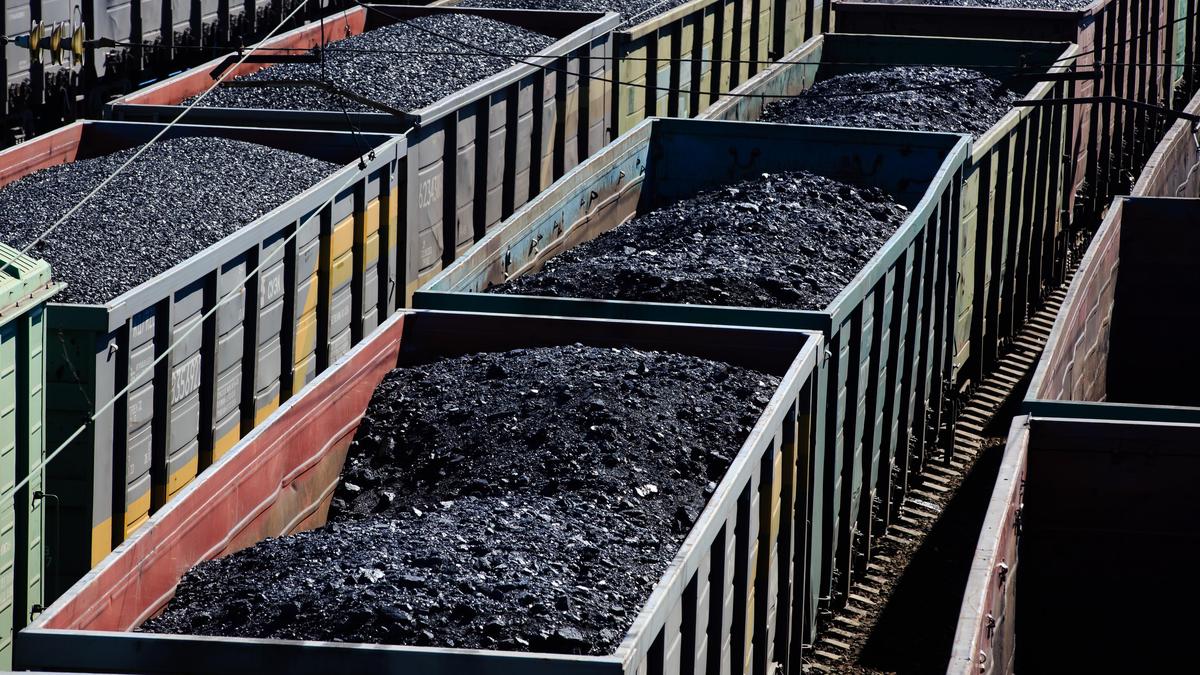
The government has responded by increasing the number of coal trains sent to power plants. Coal loading rose to 444 unit trains, also known as rakes, on September 6 from 370 on September 3, according to government data cited by The Hindu BusinessLine.
The coal ministry said loading had increased each day since September 3 as dispatches accelerated from state-controlled Coal India, its subsidiaries and privately operated mines. The ministry said critical thermal power plants were being closely monitored and that corrective supply measures were already in place.
The rise from 370 to 444 rakes represents a substantial short-term increase in rail activity. Its effectiveness will depend on whether trains can reach the most exposed plants quickly enough to rebuild inventories above critical levels while generators continue consuming coal.
Rail logistics are central to India's domestic coal supply chain because major mining regions are located far from many power stations. Higher loading at mines does not immediately remove electricity-supply risk: delivery times, unloading capacity and the allocation of rakes among plants all influence how rapidly stocks recover.
Heavy rainfall disrupts mining regions
Heavy rainfall has affected coal production and fuel transportation in Odisha, Jharkhand and Chhattisgarh, three of India's principal coal-producing states. Wet weather can constrain extraction at mines while also slowing road and rail links used to move coal to loading points and power stations.
The disruption has occurred despite large stocks at mine sites. Coal India, described by The Hindu BusinessLine as the world's largest coal miner, said it held an adequate 76 million tons of coal at its pitheads. That inventory provides a buffer, but the low stocks at power plants show that pithead availability and usable generator inventories can diverge when transport networks are under pressure.
Grid risk hinges on stock recovery
The immediate test is whether the increased rail programme reduces the number of plants below the 25% inventory threshold. Facilities with fewer than three days of fuel have limited protection against further weather or transport disruptions, leaving the power sector sensitive to any interruption in daily deliveries.
For domestic coal producers and railway operators, the priority is to convert pithead stocks into reliable deliveries while conditions remain difficult in mining states. Power generators, meanwhile, must manage consumption and deliveries closely until inventories are rebuilt. With coal supplying most of India's electricity, the pace of that recovery will be an important indicator of near-term grid resilience.