India’s pulse imports rise 62% to 1.7 million tonnes in four months
India imported 1.7 million tonnes of pulses between April and July, a 62% year-on-year increase. The rise comes as kharif pulse production weakens and a strengthening El Niño adds uncertainty to domestic supply.
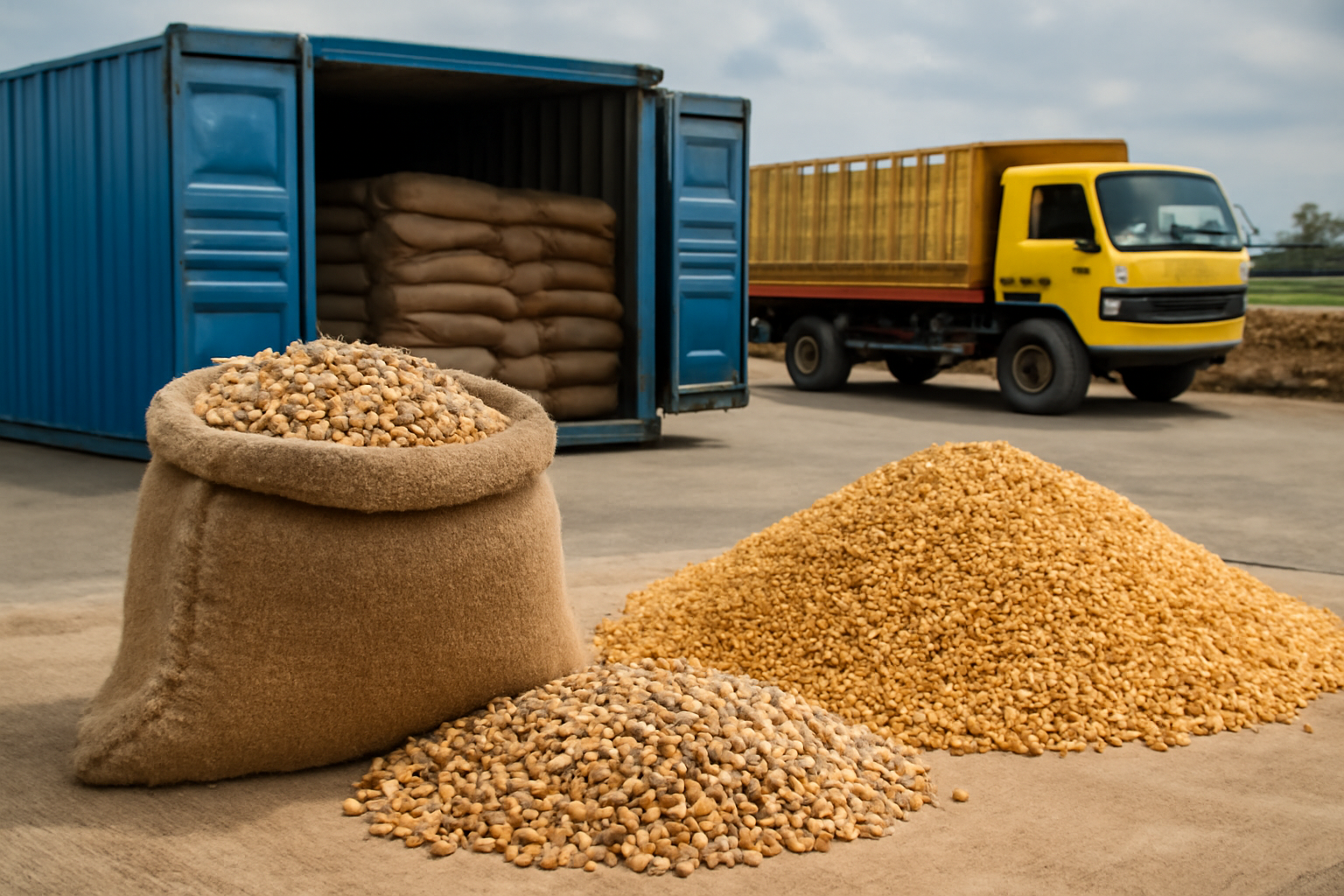
Imports reach 1.7 million tonnes
India purchased 1.7 million tonnes of foreign pulses between April and July, lifting imports by 62% compared with the same four-month period a year earlier. The sharp increase indicates that overseas supply is taking on a larger role in balancing the country’s pulse market.
The import surge coincides with a decline in kharif pulse production. Pulses planted and harvested during the kharif season are an important component of domestic availability, so weaker output increases the need to secure additional volumes from foreign suppliers.
The available figures do not specify the individual pulse varieties, supplier countries, transaction prices or monthly distribution of the purchases. They nevertheless show a substantial increase in India’s aggregate exposure to the international pulse market during the April-July period.
El Niño adds uncertainty to domestic supply
A strengthening El Niño is adding to concerns about agricultural output. Its precise effect on the remaining crop cycle is not quantified in the available information, but the weather risk is emerging at the same time as reported weakness in kharif pulse production.
For Indian processors and wholesalers, higher imports can provide additional raw material when domestic supply is under pressure. The commercial impact will depend on the timing of arrivals, the types of pulses purchased and the difference between imported and domestic prices—details that have not been disclosed.
Domestic producers face a more complex balance. Lower local output can support demand for their crop, while a rapid influx of foreign material can increase competition in wholesale channels. Traders must therefore assess crop availability and import arrivals together rather than treating the 62% increase as a standalone indicator of market conditions.
Import dependence moves higher
The four-month total shows that India is already using international purchases to reinforce availability. At 1.7 million tonnes, the volume is large enough to make future procurement decisions relevant not only for Indian buyers but also for exporters able to supply the market.
The next phase will depend on the scale of the domestic production decline and whether El Niño further affects supply expectations. Without figures for forward purchases or the remaining crop, the eventual annual import requirement cannot yet be established. For now, the 62% rise signals that India’s pulse balance has become more dependent on foreign supply.