India approves trial of 2 billion ₹10 and ₹20 polymer notes as substrate tender opens
India has approved field trials of 1 billion ₹10 polymer notes and 1 billion ₹20 notes while keeping paper currency in circulation. RBI subsidiary BRBNMPL has also sought international bids for security-grade polymer substrate sheets.
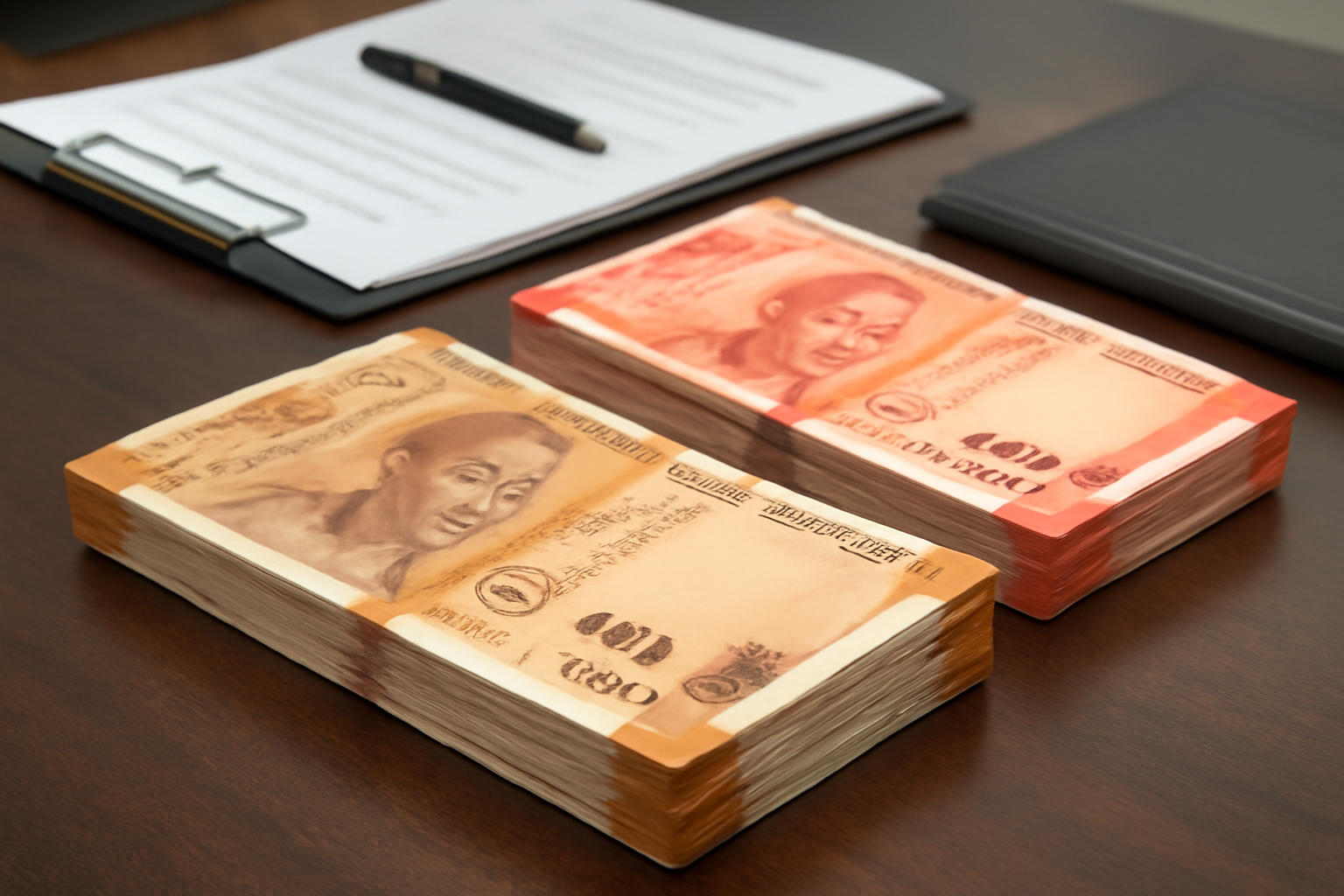
Government clears large-scale field trial
India’s government has approved a Reserve Bank of India proposal to introduce polymer banknotes in the ₹10 and ₹20 denominations for field trials. The programme covers 1 billion notes of each denomination, or 2 billion notes in total. The Indian Express put their combined face value at about ₹30 billion. The decision creates a substantial test market for security-grade polymer substrate while stopping short of a general conversion of the country’s currency.
Minister of State for Finance Pankaj Chaudhary disclosed the approval in Parliament, according to The Indian Express and Business Standard. Polymer notes will circulate alongside existing paper notes, and the government has said there is no proposal to replace paper currency. Regular issuance would be considered only after the initial field trials have been completed successfully, India Today reported. No definite date for notes to enter circulation has been announced.
International suppliers invited
Bharatiya Reserve Bank Note Mudran Private Limited, the RBI subsidiary responsible for banknote production, opened a global expression of interest for the manufacture and supply of opacified polymer substrate sheets carrying security features suitable for Indian banknotes. The official tender, numbered EOI/04/CO/2026-27, opened on 17 July 2026 and listed 18 August 2026 as its closing date. The Indian Express separately reported that bids were invited for 34 million polymer sheets.
The international procurement process highlights an immediate supply issue: India may need imported substrate for the trial. The finished notes will be Indian currency, but the specialised sheet material could initially come from overseas producers with the required banknote-grade technology and security capabilities. Supplier eligibility, technical qualification and eventual contract awards will therefore determine which companies and producing countries participate in the programme. The available material does not identify a selected supplier.
Durability test for heavily used denominations
The RBI selected ₹10 and ₹20 notes because these low denominations change hands frequently and wear out quickly, Moneycontrol reported. Polymer is being assessed for a longer service life and lower replacement requirements. According to India Today, the RBI has cited international studies indicating that polymer notes last significantly longer than paper banknotes. Potential savings would relate to repeated printing, transport and disposal, although the sources provide no confirmed procurement cost or quantified savings for this trial.
The project revives an initiative considered more than a decade ago. A 2013 government release said India planned to introduce 1 billion ₹10 polymer notes on a field-trial basis in five cities. The current programme adds the ₹20 denomination and is much larger by total face value. For substrate manufacturers, security printers and authentication-technology providers, the trial offers access to a high-volume programme, but not yet a commitment to nationwide polymer adoption. Its commercial impact will depend on field performance, production economics and the RBI’s decision after the test.