Indian pepper prices firm as festival demand rises and domestic output falls
Indian black pepper prices remain elevated as festival buying increases and poor rainfall weighs on domestic production. Imports, led by Sri Lankan shipments, are filling the supply gap, although currency movements have made imported pepper more expensive.
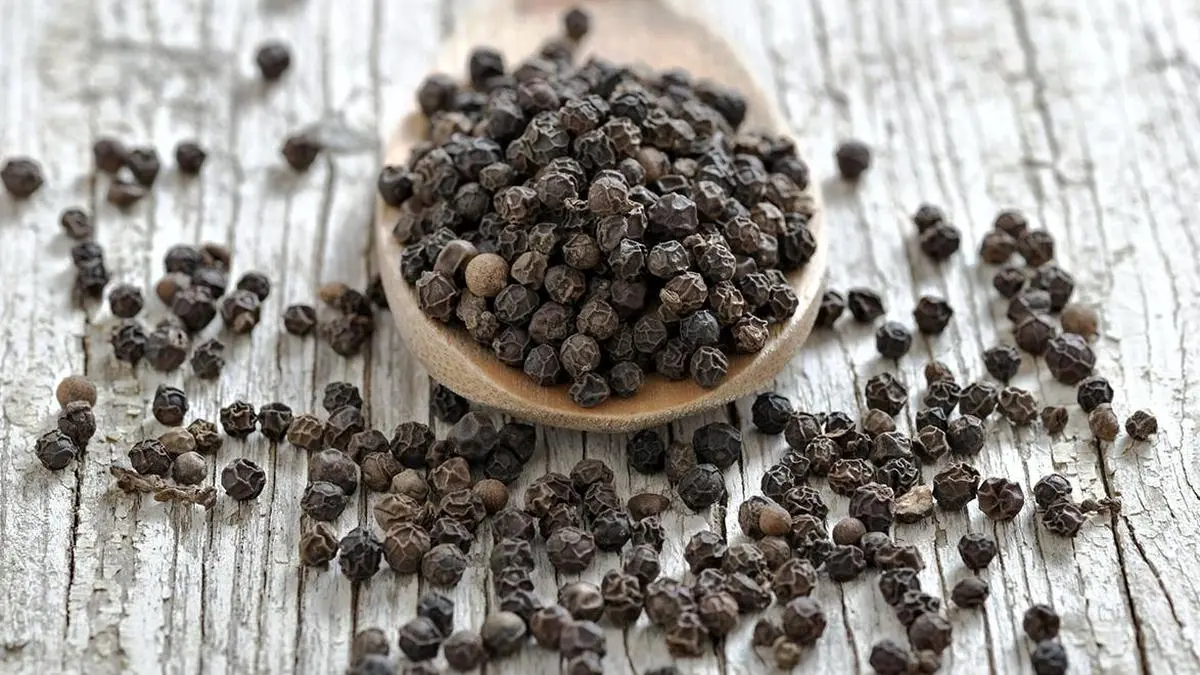
Festival buying supports elevated prices
Indian black pepper prices are holding at elevated levels as seasonal demand strengthens ahead of the festival period and reduced domestic production increases the market’s reliance on imports. The Hindu BusinessLine reported that ungarbled pepper was trading at around ₹704 per kg, while garbled material was quoted at about ₹724 per kg.
Demand is increasing in upcountry markets ahead of Ganesh Chaturthi, Navratri and Diwali. Traders also see changing food habits supporting consumption. The combination of seasonal buying and broader demand growth is tightening the balance between available domestic supply and the requirements of processors, wholesalers and other buyers.
About 50 tonnes of pepper arrived on Thursday, with most of the material sourced from Sri Lanka. Higher Sri Lankan production has increased shipment volumes to India, making the country the preferred external supplier as local availability declines. Imported pepper prices, however, have also risen because of fluctuations in the Sri Lankan rupee and stronger buying interest.
Weather damage clouds the 2026 harvest
Kishore Shamji, director of the Indian Pepper and Spice Trade Association, said insufficient rainfall and adverse climatic conditions had severely affected production in several important growing regions, including Tamil Nadu, Karnataka and Idukki. India’s pepper output for the 2026 harvest season is estimated at 65,000–75,000 tonnes, but reports indicate that the actual crop could be considerably smaller because of El Niño.
The production uncertainty matters because domestic supply is already insufficient to meet rising consumption requirements, according to Shamji. Importers and traders are therefore likely to play a larger role during the festival buying cycle. A weaker-than-estimated harvest would extend that dependence and keep Indian prices exposed to currency movements, overseas crop conditions and landed import costs.
Changes in farmers’ planting decisions may also affect future supply. There are reports that growers in Idukki are moving from pepper into cardamom after a surge in cardamom prices. A cardamom crop failure in Guatemala has raised international prices for Indian cardamom, strengthening the incentive for farmers to allocate more land and resources to that crop.
Overseas suppliers offer a price discount
Sri Lankan pepper is priced at around $6,900 per tonne, compared with about $7,800 per tonne in India. That discount, combined with Sri Lanka’s bumper crop, supports further shipments into the Indian market. The benefit for Indian buyers may be partly offset by exchange-rate volatility, which has already increased the price of imported Sri Lankan material.
Vietnamese pepper is quoted at around $6,000 per tonne and Brazilian pepper at about $5,800 per tonne. Shamji said supplies from Vietnam and Brazil could make further inroads into India if demand continues to rise. For domestic growers, additional imports could limit price gains; for processors and traders, a broader supplier base would provide alternatives if Indian output falls below the current 65,000–75,000-tonne estimate.