India’s draft paraquat ban puts glyphosate rules and export residues under scrutiny
India’s Agriculture Ministry has issued a draft order paving the way for a nationwide ban on paraquat dichloride. Attention is now shifting to glyphosate amid concerns about health risks, enforcement and pesticide residues in agricultural shipments.
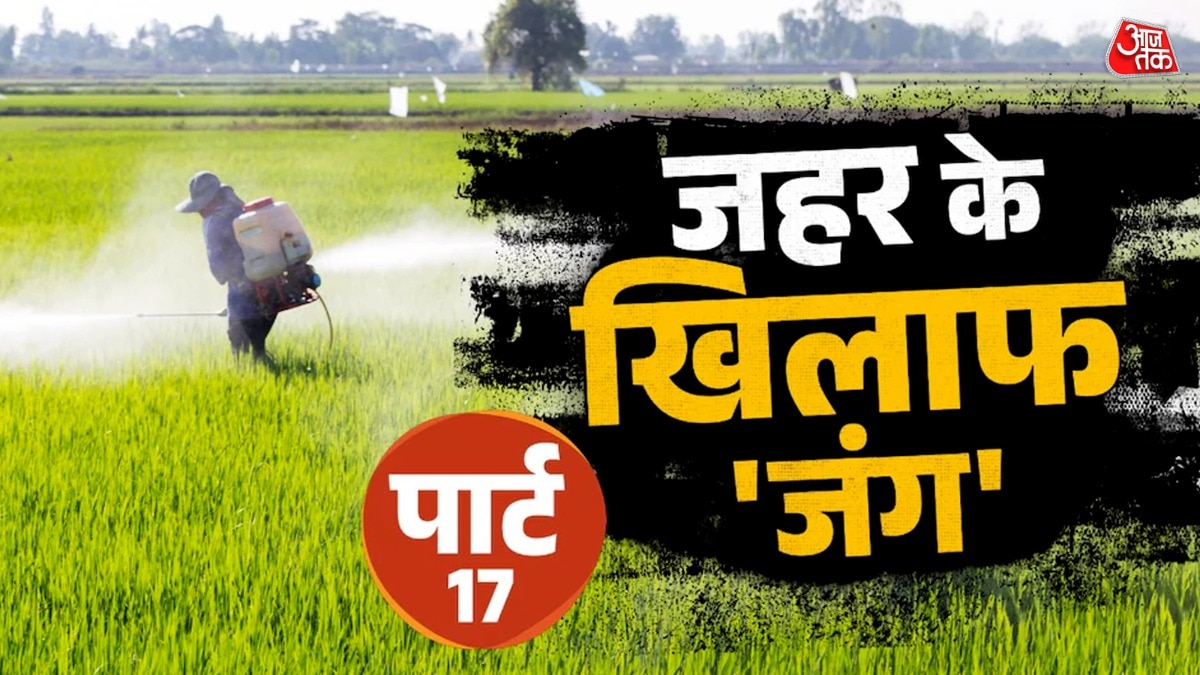
Draft order targets paraquat nationwide
India’s Agriculture Ministry has issued a draft notification intended to prohibit the production, import, sale and use of paraquat dichloride across the country. Aaj Tak reports that the Draft Order 2026 is part of a policy drive to promote chemical-free farming and improve soil health. The measure remains a draft, with a 30-day notification period preceding further government action.
Agriculture Minister Shivraj Singh Chouhan told Kisan Tak in an informal conversation that chemicals dangerous to human life and the environment had no justification in fields, and that public health came first. The decision therefore signals a tougher regulatory approach to herbicides, although its commercial effect will depend on the final order, its implementation timetable and the treatment of existing inventories.
Glyphosate becomes the next regulatory test
Following the move against paraquat, agricultural and environmental groups are pressing for restrictions on glyphosate, another widely used herbicide. The International Agency for Research on Cancer, the World Health Organization’s cancer research body, classifies glyphosate in Group 2A. According to Aaj Tak, more than 30 countries have either prohibited the chemical or imposed strict legal restrictions on its use, including Germany, France, Italy, the Netherlands, Vietnam and Austria, as well as countries in the Gulf.
India has previously attempted to limit uncontrolled glyphosate use by requiring applications to be performed by authorised pest control operators rather than farmers. Agrochemical industry associations challenged that order in the Delhi High Court. They argued that rural India lacked the necessary pest-control-operator infrastructure and that the rule would sharply increase farmers’ costs. The court stayed the notification, leaving the proposed operating restrictions tied up in legal proceedings.
That dispute highlights the practical challenge facing any new rules. Tighter controls could reduce direct exposure and unauthorised spraying, but implementation would require enough trained operators, credible monitoring and access to workable alternatives. Producers and dealers would also need clarity on stocks, registrations and permitted uses to avoid abrupt disruption during planting and weed-control cycles.
Residues create risks for agricultural shipments
The debate also has implications beyond domestic chemical sales. Aaj Tak reports that hundreds of Indian consignments sent to the European Union and other markets in recent years were rejected after glyphosate residues were detected. The affected products included basmati rice, tea and spices. The publication did not provide a shipment-by-shipment breakdown, rejection dates or the value of the affected trade.
For exporters, residue compliance begins well before goods reach a port. Farmers, processors and procurement companies must align chemical use, pre-harvest intervals, testing and traceability with the limits applied by destination markets. A rejected shipment can affect not only its owner but also buyer confidence in a product category or supply region.
According to Agriculture Ministry sources cited by Aaj Tak, scrutiny of glyphosate could intensify after the paraquat draft notification’s 30-day period ends. No final glyphosate ban or replacement framework was described in the source material. The immediate issue for agrochemical suppliers, growers and exporters is therefore regulatory uncertainty: paraquat faces a proposed full prohibition, while glyphosate remains available amid legal, health and residue-related pressure.