India Grants Market Access to Fresh Vietnamese Durian as Import Rules Ease
India has granted market access to Vietnamese durian and is preparing to simplify the phytosanitary rules governing fresh shipments. The opening gives Vietnamese exporters access to a consumer market of more than 1 billion people, but commercial commitments still depend on the final regulations.
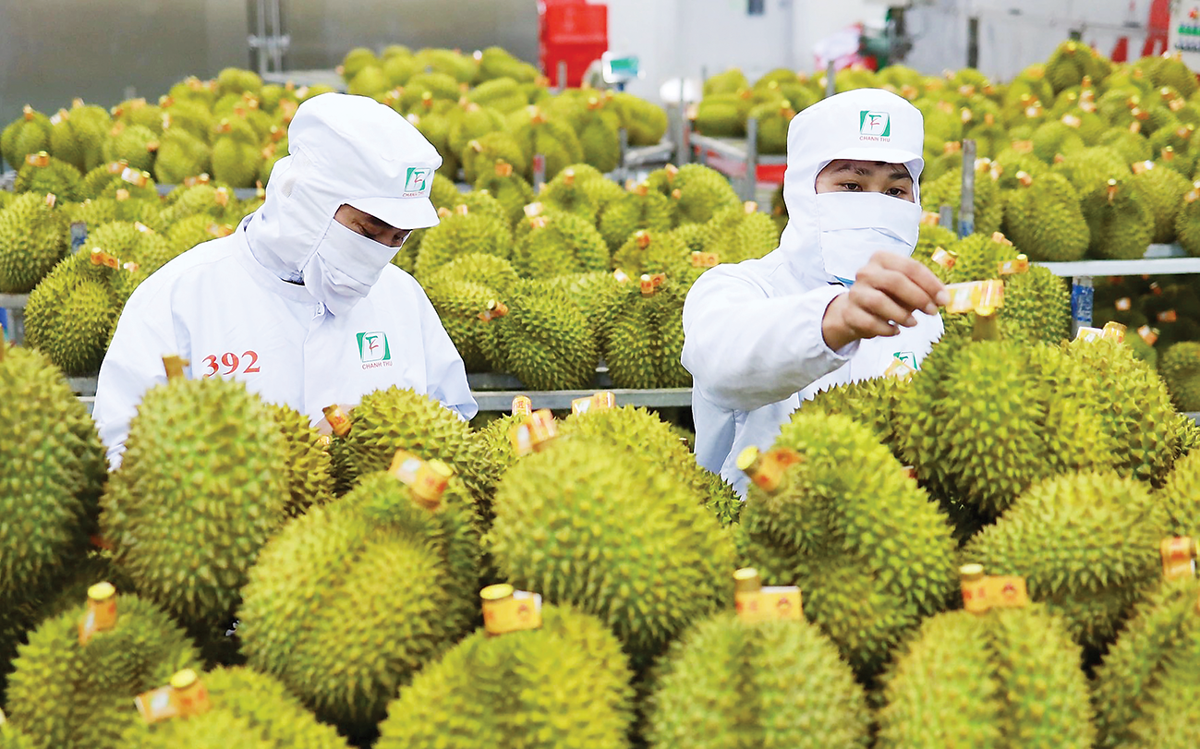
India grants market access
India has granted market access to Vietnamese durian, creating a new destination for one of Vietnam’s fastest-growing agricultural export products. The decision was welcomed by the two governments in a joint statement issued during Vietnamese leader To Lam’s state visit to India from May 5 to May 7, 2026. The same statement confirmed market access for Indian grapes in Vietnam and called for faster work on Indian pomegranates and Vietnamese pomelos.
The opening puts Vietnamese suppliers in reach of an Indian consumer market of more than 1 billion people. However, formal access does not by itself guarantee immediate large-scale sales. Exporters must still comply with India’s final plant-quarantine requirements, establish suitable distribution channels and manage the transport of a highly perishable fruit. Importers will also need to assess demand, pricing and handling capacity before committing to regular volumes.
Phytosanitary requirements may be simplified
Vietnam News and VietnamPlus reported that India is drafting amendments to its phytosanitary regulations for imported plants. Under the proposed changes, fresh durian from Vietnam would no longer require additional declarations on phytosanitary certificates or face special import conditions. The information came from the Vietnam Sanitary and Phytosanitary Notification Authority and Enquiry Point, which reviewed India’s latest notification to World Trade Organization members.
The proposed simplification could reduce documentation and make shipments easier to organize, particularly for exporters and packing facilities already serving other regulated markets. The rules were nevertheless still in public consultation until July 3, according to Vietnam News and VietnamPlus. Companies were therefore advised to monitor the process and wait for the regulations to take effect before making major trade commitments. Changes to the final wording could affect certification, inspection and shipment planning.
Export growth raises the value of diversification
Vietnam’s durian exports rose 230% year on year to approximately $222 million in the first quarter of 2026, according to customs figures cited by Vietnam News and VietnamPlus. Growth continued in both volume and value during the first four months, even though the industry had not yet entered its peak season. VietnamPlus has also reported that the country’s durian-growing area expanded nearly sixfold over the previous decade to around 180,000 hectares, while production exceeded 1.5 million tonnes.
That expansion increases the need for additional outlets. India offers scale, but exporters will have to build demand rather than assume that its population translates directly into sales. Fresh durian requires careful timing between harvesting, packing, certification and delivery. Any delay can reduce quality and the price an importer is willing to pay. Suppliers must also compete for buyers and refrigerated logistics capacity while maintaining compliance across orchards and packing facilities.
Commercial execution is the next test
The policy decision removes a basic barrier, while the proposed regulatory changes could lower the administrative cost of entry. The next stage will depend on agreements between Vietnamese exporters and Indian importers, the reliability of cold-chain arrangements and the final phytosanitary conditions. Market development may initially focus on buyers able to handle premium imported fruit and absorb the risks associated with short shelf life.
For Vietnamese growers and processors, India provides a diversification option at a time of rapid output and export growth. For Indian distributors, it adds another origin to the fresh-fruit portfolio. Neither side has announced expected shipment volumes, prices or a timetable for the first commercial consignments. Those indicators, together with the final import rules after consultation, will show how quickly the political market-access decision becomes a functioning trade channel.