India’s oilmeal exports fall 21.5% in April as freight and competition weigh
India’s oilmeal exports declined 21.5% in April 2026 amid shipping disruptions and high freight costs. Stronger competition from South American suppliers also reduced India’s position in international oilmeal trade.
Exports decline in April
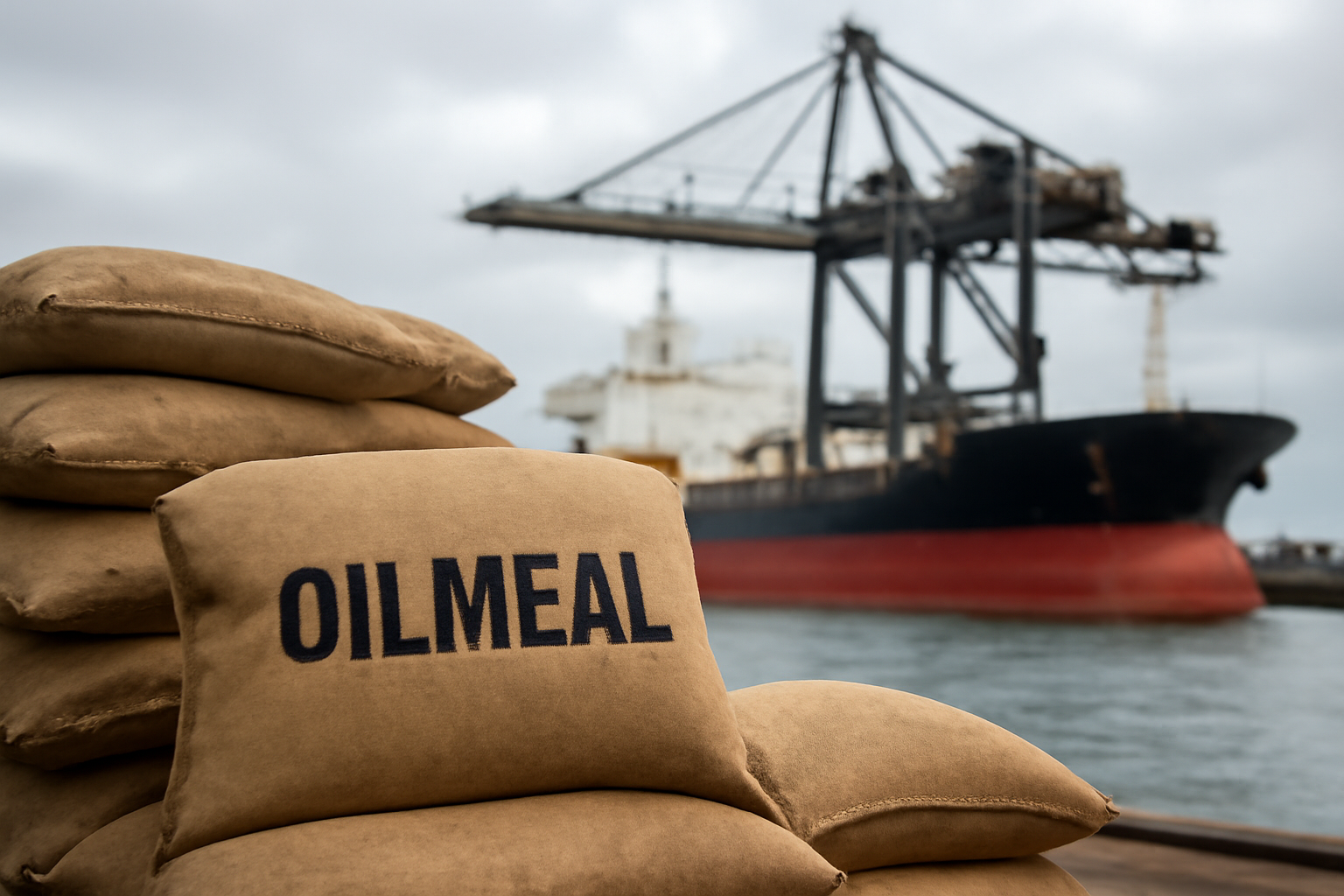
India’s oilmeal exports fell 21.5% in April 2026, according to The Hindu BusinessLine. The decline marks a sharp monthly setback for Indian suppliers serving international feed and agricultural commodity markets.
The reported contraction was linked to shipping disruptions, elevated freight costs and stronger competition from South America. Together, those pressures made it more difficult for Indian exporters to place oilmeal in overseas markets, where transport expenses and competing offers directly influence purchasing decisions.
Oilmeal is traded as an agricultural commodity and is commonly purchased for use in animal feed. A decline in shipments from India therefore matters beyond the country’s export sector: it changes the availability of Indian-origin material for overseas buyers and may redirect purchasing toward competing suppliers.
Freight costs weaken competitiveness
High freight costs can reduce an exporter’s competitiveness even when the underlying commodity remains available. Importers compare the delivered cost of cargo rather than the price at the point of origin. When shipping becomes more expensive or less reliable, buyers may favor suppliers offering more predictable delivery or a lower total landed cost.
Shipping disruptions add another constraint. Delays and uncertainty can affect procurement schedules, inventory planning and feed production. Importers that require regular deliveries may diversify their sourcing or move orders to alternative origins when transport conditions interfere with established trade routes.
For Indian exporters, the 21.5% decline indicates that logistics were not merely an operational issue in April. They affected actual trade flows. Exporters must account for freight expenses when negotiating prices, while buyers must weigh any price advantage against delivery risk.
South America adds competitive pressure
Competition from South America was another factor behind the decline reported by The Hindu BusinessLine. When suppliers from different regions target the same import markets, relative prices, freight rates and shipment reliability determine which origin secures demand.
Stronger South American competition gives importers more leverage and more sourcing options. It also limits the ability of Indian sellers to offset logistics costs through higher export prices. If competing cargoes can reach buyers on more attractive terms, Indian oilmeal may lose orders even without a change in underlying demand.
The shift is relevant to traders monitoring global oilmeal flows. Lower Indian exports can increase South America’s role in supplying affected markets, while importers previously dependent on Indian cargoes may need to adjust purchasing schedules and supplier portfolios.
Trade outlook depends on logistics and pricing
The April result does not by itself establish a longer-term trend, but it identifies the main variables for subsequent shipments. Freight costs, shipping reliability and the competitiveness of South American offers will remain central to India’s export performance.
Importers will watch delivered prices and shipment timing, while Indian exporters will need to protect margins without losing market share. For market analysts, future export data will show whether the 21.5% fall was a temporary disruption or the beginning of a broader redistribution of oilmeal trade flows.