India considers limiting sugarcane use for ethanol as sugar prices reach records
India is considering restrictions on sugarcane use for ethanol in the season beginning in October to increase sugar production and ease record domestic prices. Mills diverted about 3 million metric tonnes of sugar, roughly 10% of output, to ethanol in the current year ending in September.
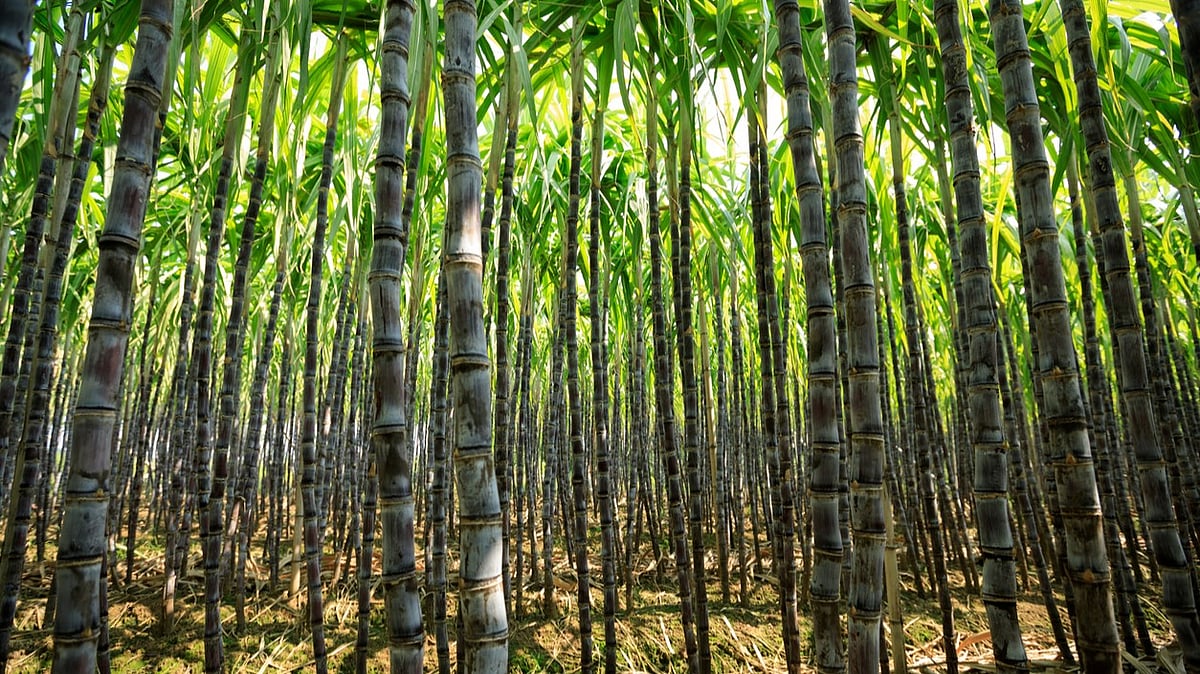
Government weighs a change before the October season
India is considering restricting the amount of sugarcane used to produce ethanol in the season beginning in October, as the government seeks to increase sugar output and contain record domestic prices. Business Recorder reported that the proposal was described by two government sources and two industry sources.
A decision is expected before the new season starts in October, according to The Hindu BusinessLine. The measure under consideration could limit ethanol production from cane juice and B-heavy molasses, two sugarcane-based feedstocks that allow mills to direct part of the crop away from crystal sugar production.
The proposal would change the balance between two competing uses of the same agricultural raw material. Directing more cane toward sugar could increase the volume available to the domestic sweetener market. Restricting ethanol feedstocks, however, would reduce mills’ flexibility to choose between sugar and fuel production.
Three million tonnes diverted during the current year
Business Standard and Deccan Herald reported that mills diverted about 3 million metric tonnes of sugar, equivalent to around 10% of total output, to ethanol production during the current year ending in September. The scale of that diversion makes the ethanol policy relevant to both sugar availability and mill production planning.
The figures also show why a policy adjustment could have a visible effect on the market. If a portion of that volume remains in the sugar stream next season, domestic supply could improve. The eventual impact will depend on the restriction’s scope and on how mills allocate cane juice, B-heavy molasses and other available feedstocks.
For sugar producers, the possible limit introduces uncertainty before the next operating cycle. Mills must plan crushing, sugar recovery and ethanol production around the same cane supply. A rule announced before October would therefore influence production schedules and the expected mix of sugar and ethanol for the entire season.
Potential consequences beyond India
The immediate objective is domestic: boosting sugar output and calming record prices. The effects could nevertheless extend to international markets because a change in India’s allocation of cane would alter the amount of sugar produced from the crop. Any resulting change in available supply would be watched by refiners, traders, food manufacturers and market analysts outside the country.
The reports do not specify the size of the proposed restriction or confirm that it will be adopted. Until the government announces a decision, mills and buyers face several possible outcomes, ranging from a targeted limit on cane juice and B-heavy molasses to a broader constraint on cane-based ethanol production. The key market question is how much of the 3 million metric tonnes diverted in the current year could return to sugar production after October.