India may import only half of approved raw sugar quota after domestic prices fall
Indian mills and refiners are expected to import no more than about 500,000 tonnes of the one million tonnes of duty-free raw sugar approved by the government. A decline of up to 20% in mill prices has weakened import margins, while available stocks and an early start to cane crushing are expected to support festival-season supply.
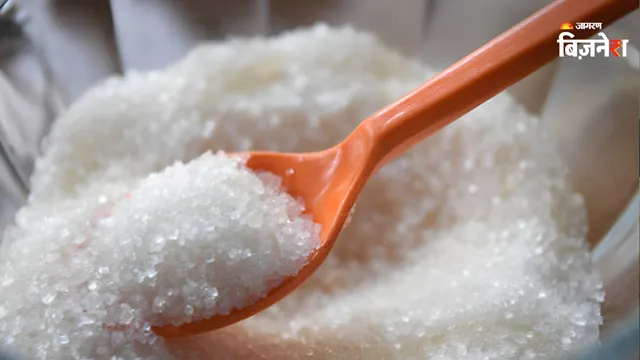
Price reversal changes import economics
Indian sugar mills and refiners are likely to import only about half of the one million tonnes of duty-free raw sugar approved by the government, after a sharp fall in domestic prices made overseas purchases less attractive. Industry officials told Reuters that imports were unlikely to exceed about 500,000 tonnes, according to a report by Jagran.
The government had authorised the imports under a tariff-rate quota when rising festival demand and record price increases raised concerns about the balance between domestic supply and consumption. Market conditions shifted after the announcement, however, with sugar prices at mills reportedly falling by as much as 20% shortly before Raksha Bandhan. The drop has narrowed the potential return available to mills that buy raw sugar abroad and refine it in India.
Margins face a long delivery window
Rahil Shaikh, managing director of Mumbai-based MEIR Commodities India, said imports appeared attractive while prices were rising in the previous week. The rapid decline following the quota announcement subsequently reduced mill owners’ interest. Import margins are now very small, he said, with no assurance that they will survive until the cargo arrives in roughly two months.
Brazil is considered the likely source of the approved volume. Shipping sugar from Brazil to India could take about 40 days, exposing buyers to further domestic price changes before delivery. Shaikh and four other dealers at global trading houses therefore expected actual imports to remain at around 500,000 tonnes or less. The prospect of Indian mills beginning cane crushing earlier than usual further reduces the window in which imported raw sugar could be profitable.
Stocks expected to cover festival demand
Jagran reported an average wholesale sugar price of ₹58.29 per kilogram and an average retail price of ₹63.05 per kilogram on August 24. Retail prices had previously reached about ₹67 per kilogram. Indian Sugar and Bio-energy Manufacturers Association President Neeraj Shirgaonkar said at a press conference in Delhi that the decline at mill level could also feed through to retail prices within the following week.
Shirgaonkar said India held stocks equivalent to about three and a half months of consumption as of August 1, enough to maintain availability through the end of October. He said the combination of those inventories, earlier cane crushing and imports from Brazil should prevent a sugar shortage during the October-November festival period. The Ministry of Consumer Affairs and the industry association have also said there is no shortage in the country.
Global sellers face a smaller opportunity
For Brazilian producers and international trading houses, the gap between the approved quota and likely purchases represents a substantial reduction in the immediate sales opportunity. Approval for one million tonnes created potential access to a major consuming market, but the commercial decision remains with Indian mills and refiners. A quota does not guarantee that buyers will use it when domestic prices no longer cover freight, refining and market risk.
The revised outlook also makes the timing of India’s crushing season more important for global sugar sellers. If local mills begin processing cane early and domestic prices remain under pressure, further import commitments may be limited. If margins recover before purchasing decisions are completed, some additional volume could still be viable, but the dealers cited in the report did not expect total arrivals to exceed roughly half of the authorised amount.