India’s LPG and onion prices reach seven-month highs amid Middle East conflict
LPG and onion prices in India have reached seven-month highs amid economic pressure linked to the Iran-US conflict. Onion prices rose 23%, increasing costs for households and food businesses.
Household essentials become more expensive
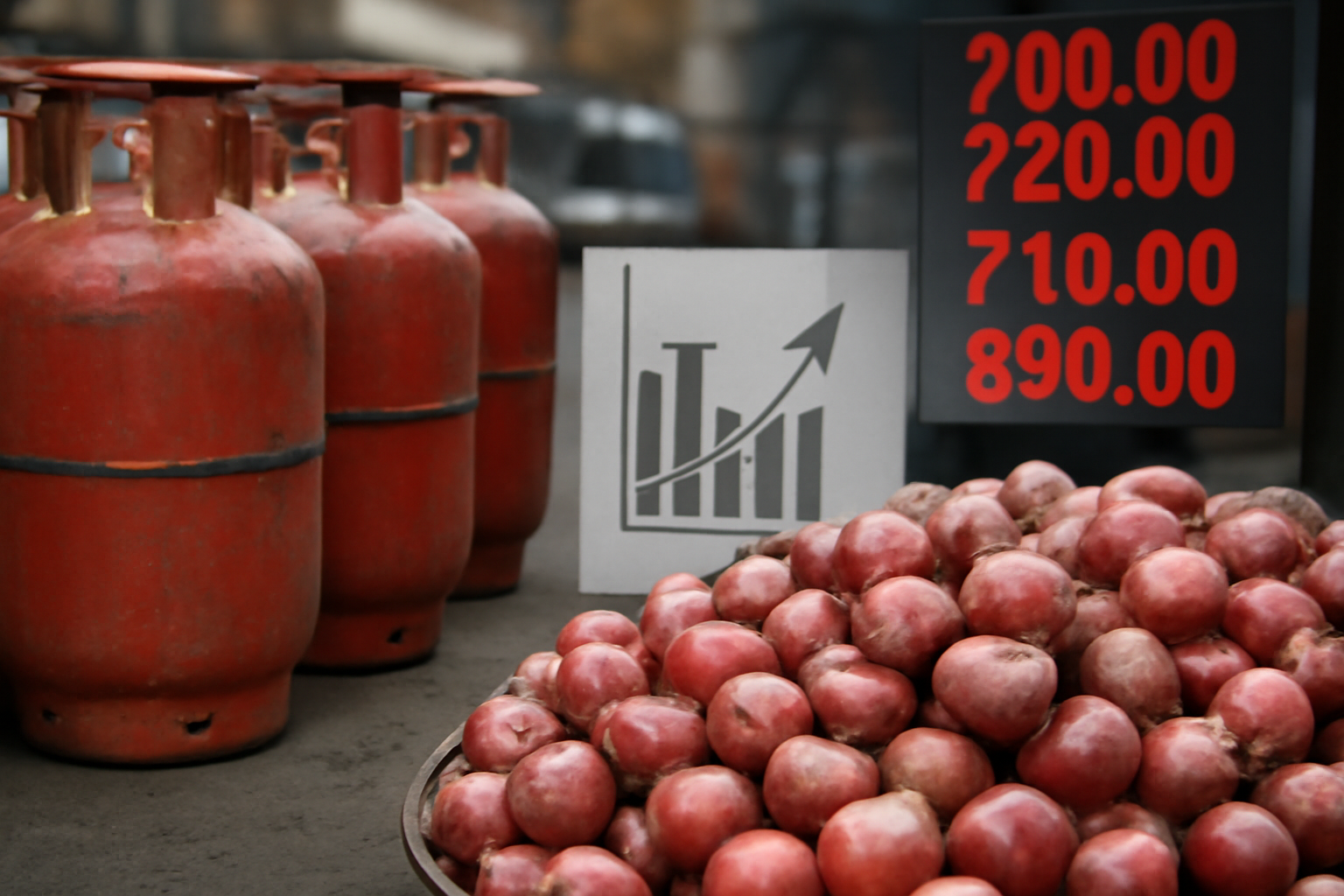
Prices for liquefied petroleum gas and onions in India have climbed to their highest levels in seven months as the economic effects of the Iran-US conflict reach consumers. Onion prices have risen 23%, while LPG has also become more expensive. The reported increases add pressure to household budgets and raise operating costs for restaurants, food processors and other businesses that depend on cooking fuel and fresh onions.
The price movement affects two very different supply chains. LPG connects Indian consumers and commercial kitchens to energy markets, while onions are a domestically important food staple with prices shaped by agricultural supply and distribution. Their simultaneous rise broadens the impact of inflation: households face higher cooking costs at the same time as one of the country’s most widely used vegetables becomes more expensive.
Conflict adds pressure to the wider economy
The conflict between Iran and the United States began at the end of February, according to the supplied report, and has disrupted the global economy. In India, the inflationary effects became more visible several months after the start of the conflict. The available material does not specify the size of the LPG increase, absolute retail prices, regional differences or whether the reported figures refer to wholesale or consumer markets.
Even without those details, a seven-month high is significant for buyers that purchase LPG or onions frequently. Food-service operators have limited room to absorb repeated increases in fuel and ingredient costs. Passing them on can make prepared food more expensive, while absorbing them reduces margins. Households face a similar constraint because both products are routine purchases rather than discretionary goods.
Onion markets face a 23% price jump
The 23% rise in onions is the clearest quantified change in the report. For farmers, higher market prices can improve revenue where they have produce available to sell. The effect is less favorable for wholesalers, processors, restaurants and consumers buying at the elevated price. Actual gains for producers will depend on their sale timing, volumes and costs, none of which are detailed in the supplied material.
Onions have an important role in Indian food consumption, so a rapid increase can be felt across retail markets and commercial kitchens. Buyers may adjust purchasing volumes or seek cheaper grades, but substitution is difficult in recipes where onions are a basic ingredient. Traders will therefore watch whether the increase persists and whether supply conditions can ease the pressure.
Market participants await more supply data
The report establishes the direction of prices but provides no figures for production, stocks, imports, exports or transport costs. It also does not identify policy measures taken in response. Those data will be necessary to determine whether the onion increase reflects a temporary supply shortage, higher distribution expenses or a longer period of tight availability.
For LPG, the central questions are how long elevated costs last and how much reaches household and commercial users. For onions, attention will remain on farm supply and the movement of produce through wholesale and retail channels. Until more detailed data emerge, the seven-month highs indicate that external economic pressure and food-market inflation are reaching everyday consumption in India.