India Launches First Non-GMO High-Expansion Popcorn Maize Hybrid
Vice-President C P Radhakrishnan has launched India’s first non-GMO, high-expansion popcorn maize hybrid seed in Vijayawada. The initiative aims to reduce the country’s dependence on imported popcorn grain, although no adoption targets, production forecasts or import figures were disclosed.
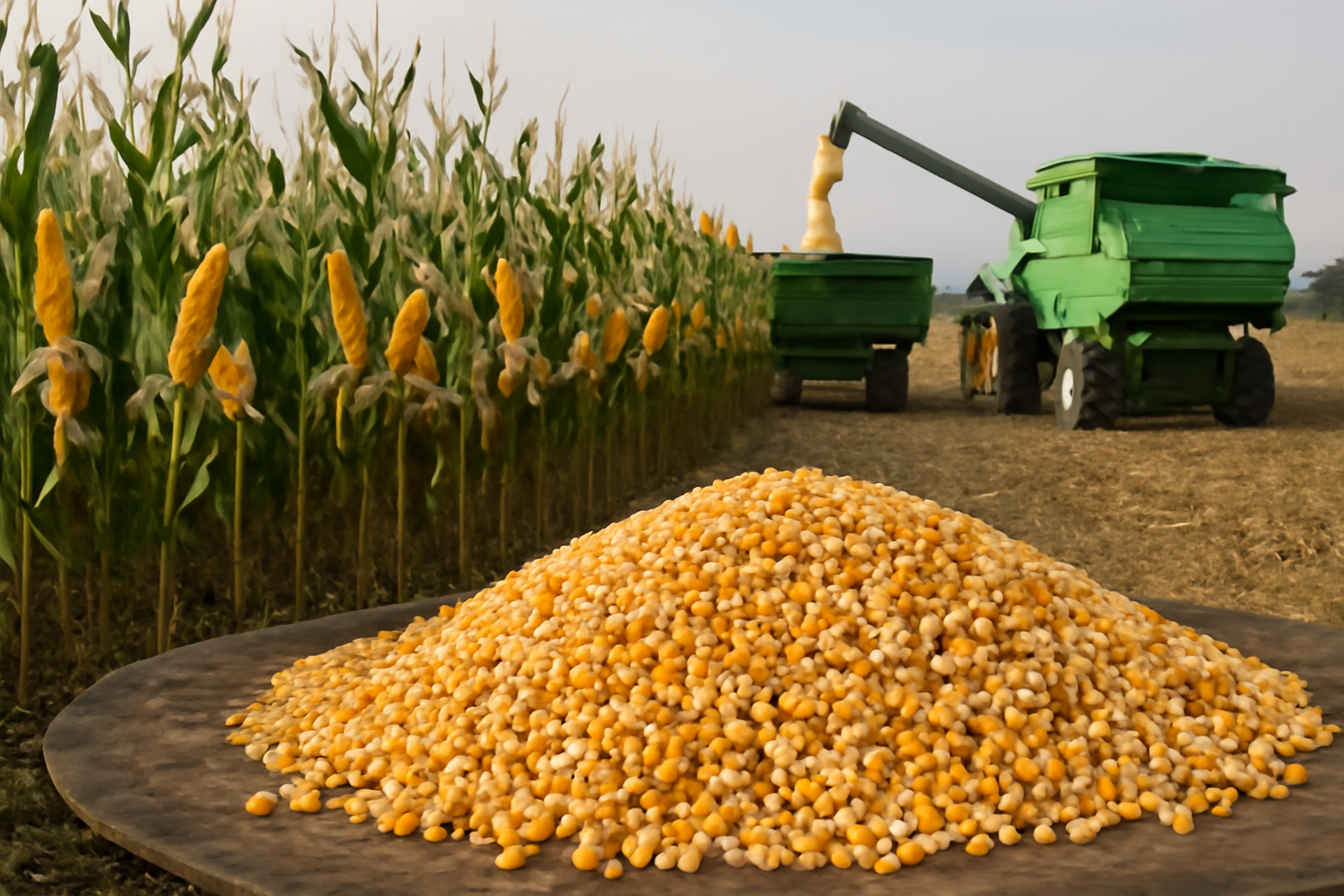
India targets domestic popcorn grain production
India has launched its first non-genetically modified, high-expansion popcorn maize hybrid seed, marking an effort to replace imported popcorn grain with domestic production. Vice-President C P Radhakrishnan introduced the hybrid in Vijayawada and said the country’s dependence on popcorn imports would end.
The launch brings a specialized maize variety into India’s domestic seed market. Unlike maize grown mainly for animal feed, starch or other industrial uses, popcorn grain must deliver the expansion characteristics required by processors and consumer brands. The description of the new hybrid as “high-expansion” therefore addresses a central commercial requirement: how much usable popped product can be obtained from a given volume of grain.
Import replacement depends on farm adoption
The seed’s release is only the first stage in a potential shift away from imports. Material substitution will depend on how widely Indian farmers adopt the hybrid and whether harvested grain consistently meets processors’ specifications. The supplied information does not identify acreage targets, expected yields, seed prices or the regions considered suitable for cultivation.
No figures were provided for India’s current popcorn imports, their value or the countries supplying the grain. It is therefore not yet possible to measure the share of imported volume that domestic cultivation could replace. The timing of any reduction in import dependence also remains unspecified.
For growers, adoption will depend on the crop’s return relative to other maize varieties and competing crops. Seed performance, local growing conditions and access to buyers will determine whether a specialized popcorn crop can secure sufficient acreage. Contract farming or procurement commitments could help connect producers with processors, but no such arrangements were announced in the provided material.
Quality consistency will be critical
Processors will assess more than the hybrid’s non-GMO status. Commercial demand will also depend on expansion performance, grain uniformity and the consistency of deliveries across harvests. A domestic hybrid that performs well in trials must reproduce those characteristics at farm scale and through drying, storage and handling.
The non-GMO designation may be relevant to food manufacturers and retailers that use this attribute in sourcing or product positioning. However, the launch information does not specify certification procedures, identity-preservation requirements or how seed and harvested grain will be monitored through the supply chain.
Commercial impact cannot yet be quantified
The initiative could create a domestic supply option for popcorn processors and reduce exposure to imported grain if production reaches commercial scale. It may also give maize growers access to a more specialized end market. Those outcomes depend on reliable seed multiplication, agronomic performance and purchasing demand from processors.
The launch establishes the technological starting point, but the available information is insufficient to quantify its trade impact. Import displacement can be evaluated only after farmers plant the hybrid, processors confirm its performance and domestic volumes become available. Until then, the prospect of ending popcorn import dependence remains a policy objective rather than a measured market result.