India's Kharif Acreage Shifts Away From Maize and Soybean Toward Pulses and Millet
Sowing area for maize, soybean, paddy, cotton and sugarcane fell this kharif season in India, while urad, tuar, bajra and sunflower gained ground, according to Agriculture Ministry data presented at the National Rabi Conference. The first advance production estimate, normally out by end-September, has slipped to mid-October because around 10 states including Maharashtra have not filed their crop estimates.
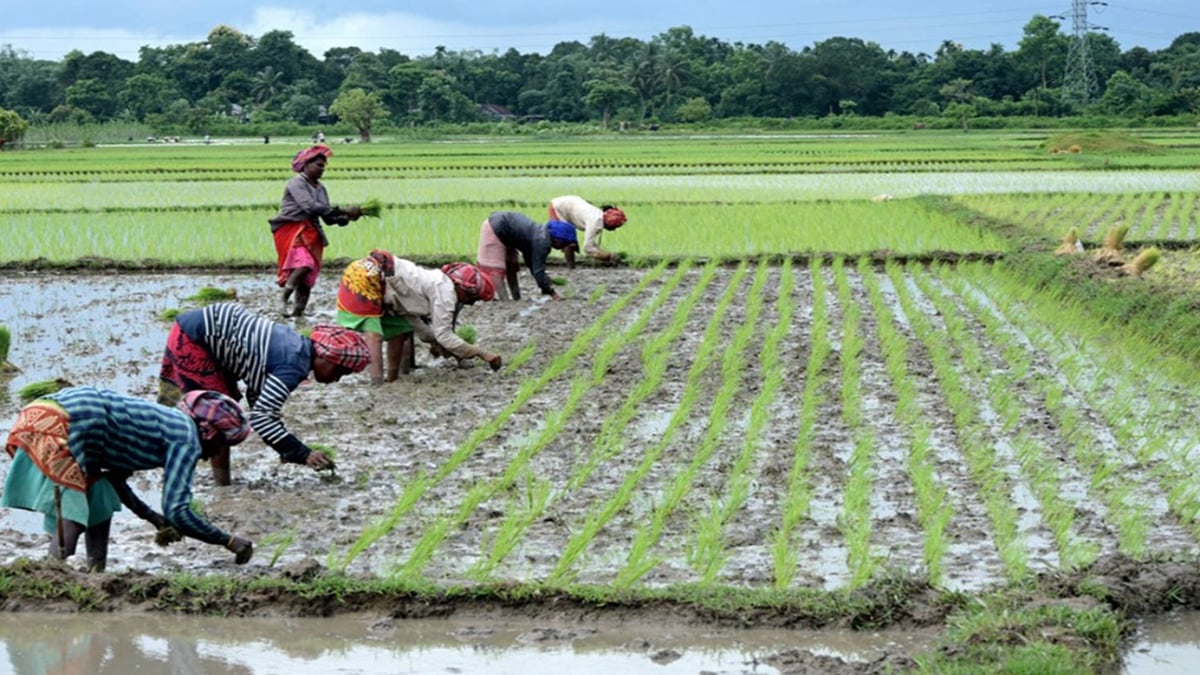
India's kharif planting has shifted away from maize, soybean, paddy, cotton and sugarcane this season, while pulses, pearl millet and sunflower picked up area, according to figures presented at the Agriculture Ministry's recent National Rabi Conference and reported by Amar Ujala. Official output data, including the first advance estimate of the season, is now expected only by the middle of October.
The mix matters because kharif is India's main cropping season, and the acreage split sets the supply side for food, feed and oilseed processing through the coming months. Amar Ujala reports that the early trends have already stirred the domestic market, even though the ministry has not published crop-wise area or production figures alongside them.
Maize and soybean declines hit feed and oilseed chains
Maize was sown on less area than a year earlier. The crop reaches well beyond direct food use: poultry farming and the starch industry are large buyers, and Amar Ujala notes that weaker domestic availability could push maize prices higher. For feed compounders and starch processors, that is the most immediate cost line in the current trend data, and it arrives before any tonnage figure is on the table.
Soybean area also fell, which feeds straight into domestic edible oil output. Less soybean crushed at home means a thinner supply of domestically produced oil. The government recently reduced import duties on edible oils, and the report says this should help cover supply through imports, effectively moving part of the balancing job from the domestic crush to the import trade. Paddy, cotton and sugarcane also recorded lower sown area, though the preliminary data released so far does not quantify the declines.
Pulses, bajra and sunflower expand
On the other side of the ledger, sowing rose for several crops where domestic supply has been tight. Amar Ujala lists the gains as follows:
- Urad (black gram): larger sown area, which would improve domestic pulse supply if weather stays favourable.
- Tuar, also known as arhar (pigeon pea): higher acreage, with the same conditional effect on availability.
- Bajra (pearl millet): more area, strengthening coarse grain availability.
- Sunflower: expanded sowing, described in the report as a positive signal for the edible oil market.
The report links a better pulses crop to reduced dependence on imports, but conditions that on favourable weather in the weeks ahead and on final output. Pulses and edible oils are the two categories where India's import requirement is most exposed to a weak domestic harvest, so these two lines will matter more to trade flows than the headline acreage total.
First advance estimate delayed to mid-October
The first advance estimate for kharif crops is normally released by the end of September. This year it is late. Amar Ujala reports that around 10 states, including Maharashtra, have not yet sent their crop estimates to the Agriculture Ministry. The ministry has given those states a one-week ultimatum so that accurate figures can be published by the middle of October.
Until then, buyers are working off area direction rather than tonnage. The report frames the acreage changes as the direct determinant of the demand and supply equation for the months ahead, and warns that without timely use of imports and buffer stocks, a range of everyday items could become more expensive. For processors, importers and traders, the mid-October release is the point at which the current qualitative picture converts into numbers that can be positioned against.