India’s July retail inflation rises to 4.45% as onion, ginger and garlic prices surge
India’s retail inflation increased to 4.45% in July from 4.38% in June, while food inflation reached 5.52%. Sharp price gains for onion, ginger and garlic outweighed declines for potato, tomato and several other vegetables.
Food prices lift the headline rate
India’s retail inflation accelerated to 4.45% in July from 4.38% in June, according to data from the Ministry of Statistics and Programme Implementation reported by Times Now Hindi. Food inflation, measured by the Consumer Food Price Index, rose to 5.52% from 5.32%, placing renewed pressure on household budgets during the monsoon season.
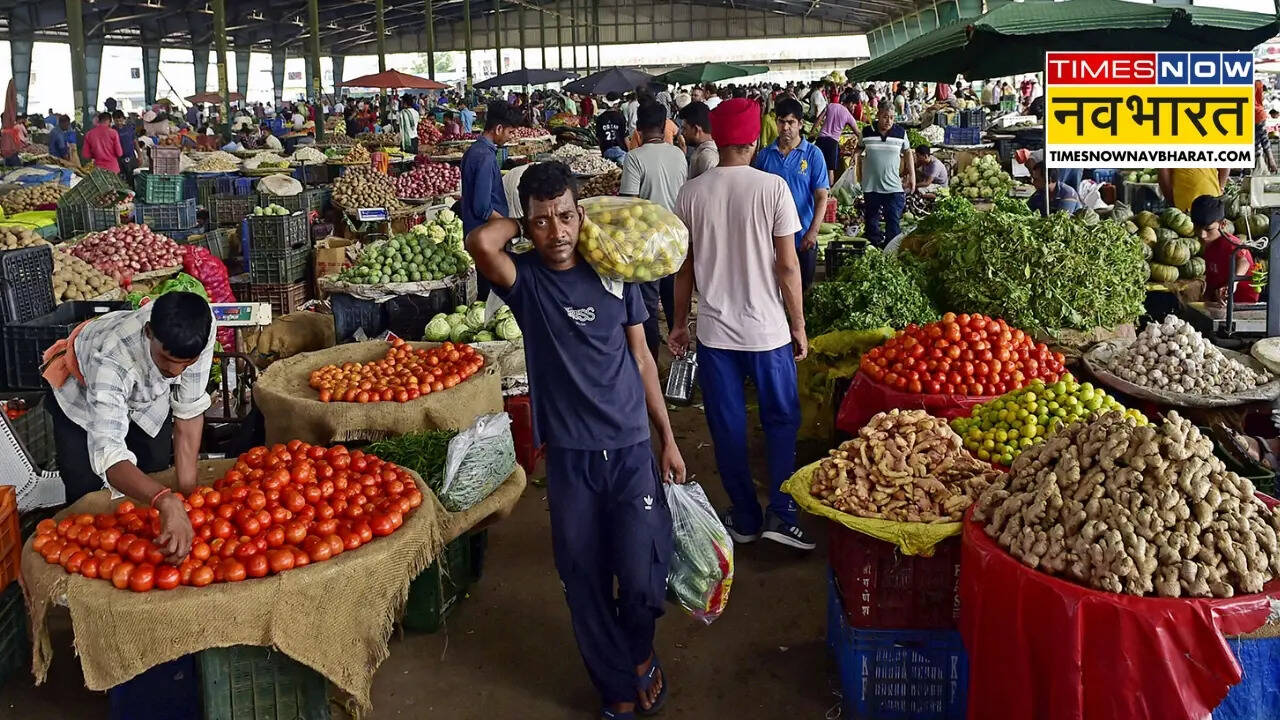
The increase was concentrated in several widely used cooking ingredients. Annual onion inflation jumped to 22.54% in July from 4.73% in June. Ginger inflation climbed to 83.62% from 50.41%, while the rate for garlic advanced to 35.36% from 17.93%. These movements made essential kitchen products a major source of the month’s inflationary pressure and may affect procurement costs for retailers, food processors, restaurants and institutional buyers.
Rural consumers face stronger pressure
Food inflation was higher in rural India, reaching 5.79%, compared with 5.05% in urban areas. The same divide appeared in the broader index: total rural retail inflation stood at 4.84%, while the urban rate was 3.96%. The gap indicates that price pressure was more pronounced outside cities, where food typically carries greater weight in household expenditure.
Not every vegetable became more expensive. Potato prices fell 16.56% year on year in July, while okra and peas recorded deflation of 5.52% and 5.27%, respectively. Tomato prices declined 4.59% after rising 31.92% in June. These decreases limited the overall acceleration and show that the food-price increase was uneven rather than a broad rise across the entire vegetable category.
Services and jewellery add to inflation
Inflation for the combined food and beverages category was 5.24% in July. Transport inflation reached 4.43%, while restaurant and accommodation services registered a substantially higher rate of 7.72% as service costs increased. Housing inflation remained comparatively restrained at 2.22%, providing some offset to the stronger readings in food and hospitality.
Precious jewellery also recorded steep price increases. Inflation for silver jewellery reached 109.84%, while gold, diamond and platinum jewellery registered 32.98%. Contrary to one of the supplied headlines suggesting that gold and silver jewellery became cheaper, the detailed figures published by Times Now Hindi show strong year-on-year inflation in both categories.
Index rises on a monthly basis
ANI, cited by Times Now Hindi, reported that the combined Consumer Price Index increased to 107.94 in July from 107.00 in June on a month-to-month basis. The figures are provisional. The dataset covered 1,407 urban markets, including online markets, and 1,465 villages across India’s states and union territories, with a reported response rate of 100% in both rural and urban areas.
For agricultural suppliers and food-market participants, July’s figures point to sharply divergent conditions within the vegetable basket. Onion, ginger and garlic sellers faced rapidly rising prices, while potato, tomato, okra and pea markets moved in the opposite direction. Processors, wholesalers and hospitality operators will therefore need to manage commodity-specific purchasing exposure rather than treat vegetables as a single inflation trend.