India's recurring import curbs keep Nepal's tea exports in limbo
Nepal's tea industry, which supports thousands of jobs and earns billions of rupees in foreign exchange, faces continued uncertainty as India repeatedly restricts imports. Weak government support for quality improvement adds to the pressure on exporters.
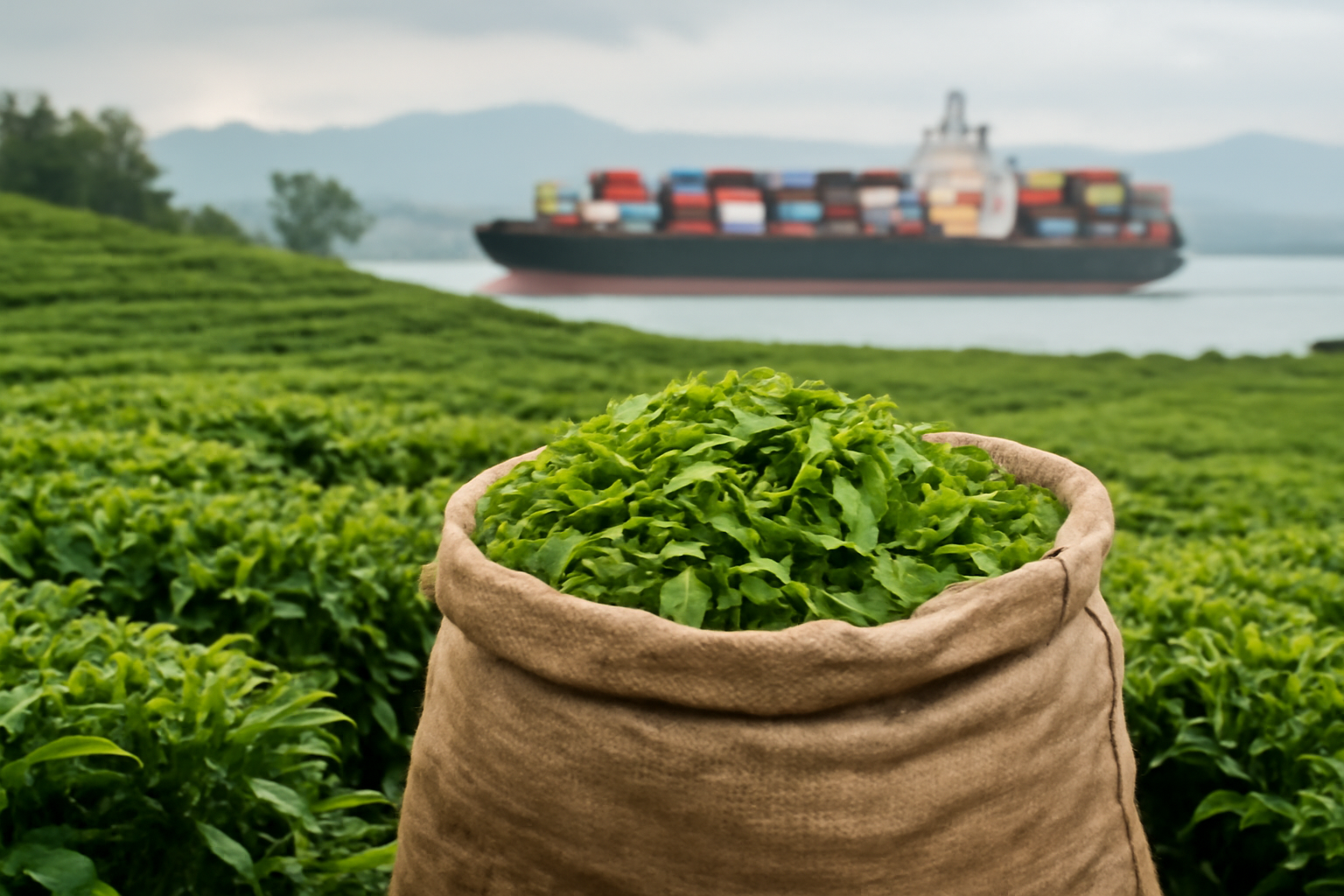
India's restrictions keep Nepal's tea trade uncertain
Nepal's tea industry continues to operate under a cloud of uncertainty as India, its dominant export market, repeatedly imposes and lifts restrictions on incoming tea. Reporting from Nepal dated July 6 describes a sector that supports thousands of jobs and brings in billions of rupees in foreign exchange, yet remains vulnerable to policy shifts across the southern border.
The recurring nature of the curbs is the central problem. Rather than a single, clearly defined barrier, Nepalese exporters face on-and-off restrictions that make it difficult to plan shipments, sign forward contracts or guarantee delivery to buyers. For an industry so heavily oriented toward a single neighbouring market, that unpredictability translates directly into lost sales and idle capacity.
Why the Indian market matters so much
India is the natural outlet for much of Nepal's tea. Geographic proximity, low transport costs and long-standing commercial ties have made cross-border trade the backbone of the sector. When Indian authorities tighten import conditions, Nepalese producers have limited immediate alternatives, because building demand in more distant markets takes time, certification and marketing investment that many small growers cannot readily absorb.
The reliance cuts both ways. Nepal earns significant foreign exchange from tea, and the crop underpins employment for thousands of workers across cultivation, plucking and processing. Any interruption at the border therefore reaches deep into rural incomes, not just export ledgers.
Quality support remains a weak point
Beyond the border measures, the reporting points to poor government support for quality improvement as a structural weakness. Without investment in grading, certification and consistency, Nepalese tea struggles to command premium prices or to differentiate itself decisively from competing origins. That leaves exporters more exposed whenever access to the Indian market narrows, since they have fewer high-value channels to fall back on.
- Repeated Indian import curbs disrupt shipment planning and contracts.
- Heavy dependence on a single neighbouring market amplifies the shock.
- Thousands of jobs and billions of rupees in foreign exchange are exposed.
- Limited state support for quality caps the industry's ability to diversify.
What it means for buyers and sellers
For importers, the recurring barriers signal supply risk: orders sourced from Nepal cannot be treated as fully secure while border conditions remain volatile. For Nepalese exporters, the immediate task is to keep buyers engaged despite the interruptions while pressing for clearer, more stable trade terms. Until the on-and-off restrictions give way to predictable rules, and until quality investment improves, the sector's earnings and the jobs tied to them will remain hostage to decisions made outside Nepal's control.