Indian Food Inflation Raises the Cost of Protein Across Vegetarian and Non-Vegetarian Diets
Food inflation in India has increased the cost of major protein sources for both vegetarian and non-vegetarian consumers. The available source says prices rose over the past year but does not provide product-level figures.
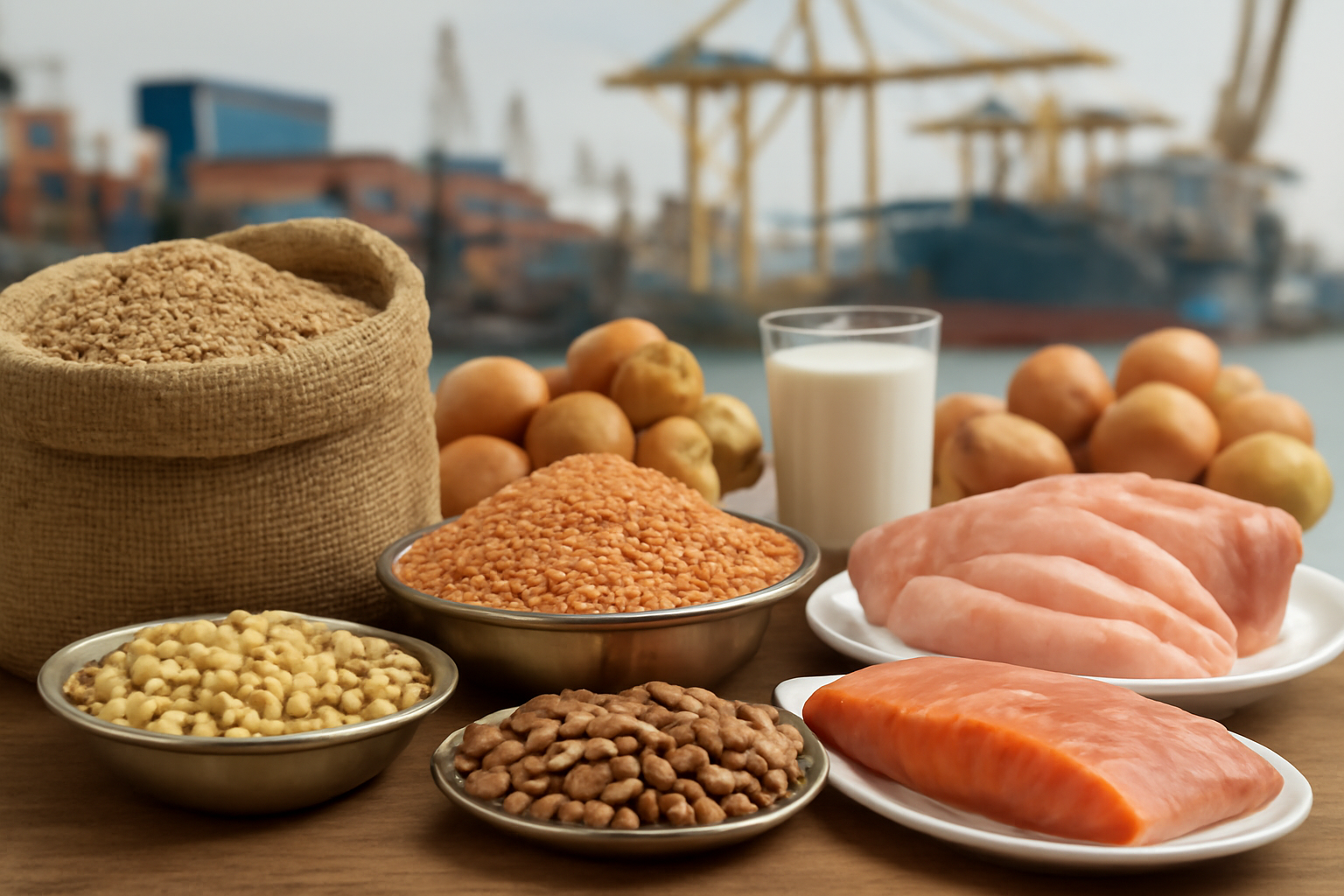
Protein inflation reaches every type of diet
Food inflation in India is directly affecting nutrition by making protein more expensive for consumers. The increase is not confined to either vegetarian or non-vegetarian diets: the available report says the cost of major protein sources has risen across both categories over the past year.
This distinction matters in India, where households obtain protein from different combinations of vegetarian and animal-based foods. When prices rise simultaneously across these groups, consumers have fewer opportunities to replace one expensive product with a cheaper alternative. The pressure therefore extends beyond individual commodities and affects the composition and affordability of the entire meal.
Households face difficult consumption choices
Protein is a central nutritional component, but it competes with other essential food purchases in household budgets. As protein sources become more expensive, lower-income consumers may reduce quantities, buy them less frequently or shift toward whichever options remain relatively affordable. The source material does not provide individual product prices or percentage increases, so it is not possible to determine which category has recorded the steepest rise.
The broad direction is nevertheless significant for food demand. A price increase affecting both vegetarian and non-vegetarian sources limits substitution between dietary categories. Households that normally respond to higher animal-protein prices by choosing vegetarian alternatives may find that those products have also become more costly. Vegetarian consumers face the same constraint within their own range of protein foods.
Demand may shift within the protein market
For producers and processors, the impact will depend on how consumers adjust volumes and product choices. Demand may move toward smaller packs, lower-priced formats or protein sources that show the least price pressure. Retailers will need to monitor purchase frequency as well as unit sales, because households can preserve a product in their diets while consuming it less often.
The effect also matters to food manufacturers using protein-rich ingredients. Higher input costs can create pressure to change package sizes, product mixes or retail pricing. Without detailed commodity data, however, the relative exposure of individual processors, livestock producers and suppliers of vegetarian protein cannot be quantified from the available material.
Nutrition becomes the central market risk
The immediate commercial issue is affordability, but the longer-term concern is nutritional access. If households respond by cutting protein consumption rather than reallocating spending, food inflation can alter diet quality as well as purchasing patterns. The risk is greatest when several commonly used substitutes become expensive at the same time.
Further assessment requires product-level price data, including the year-on-year changes for each major source and differences between regions. Such information would show whether the pressure is broad-based or concentrated in a few products. For now, the available report establishes a clear trend: protein has become costlier across India’s vegetarian and non-vegetarian plates, narrowing consumers’ room to adapt.