India’s consumer affairs ministry flags El Niño risk to kharif pulse production
India’s consumer affairs ministry has warned the agriculture ministry that El Niño could affect kharif pulse production, News18 Hindi reported. Any reduction in output could tighten domestic availability and raise food costs for Indian households.
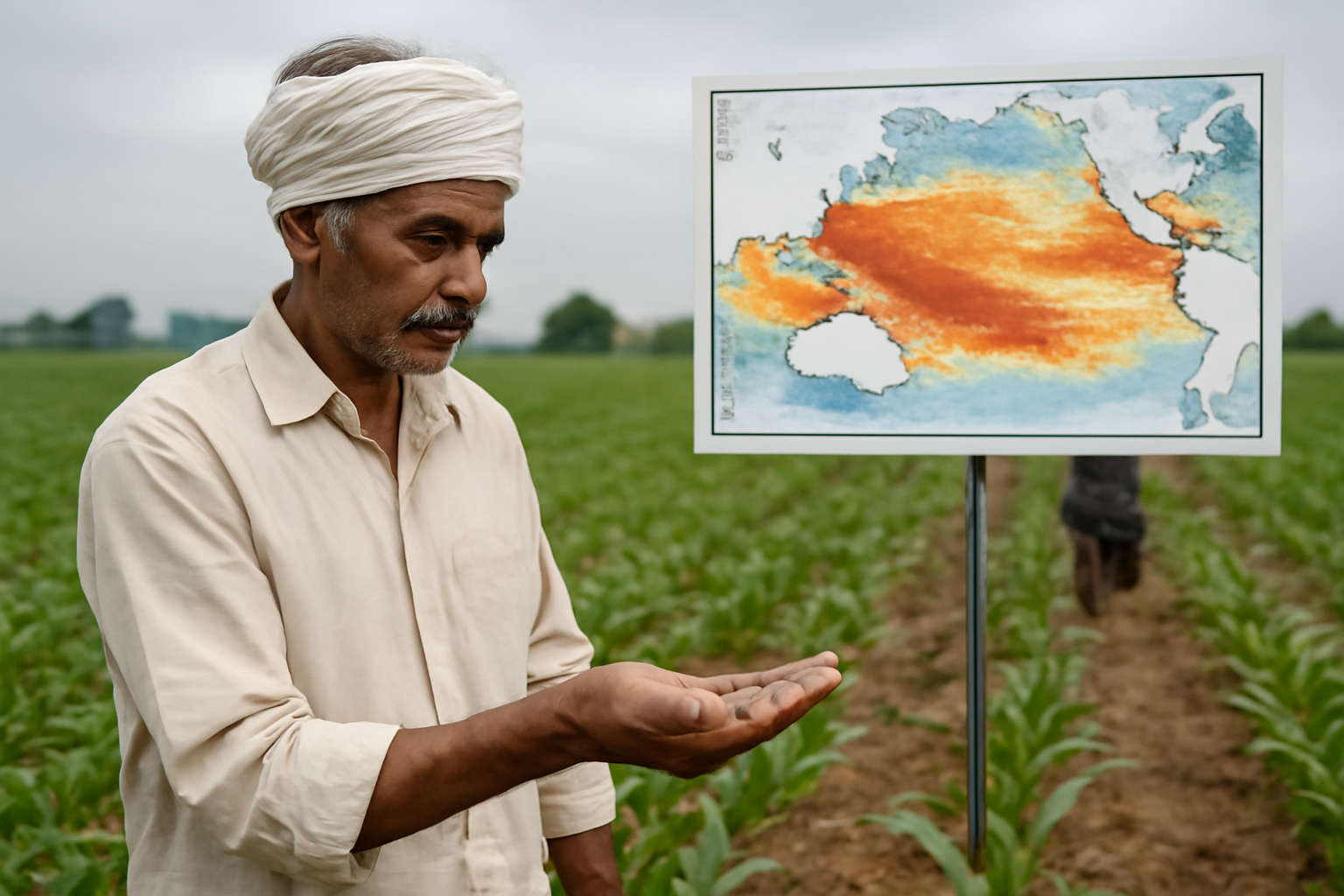
Ministry warns of production risk
India’s consumer affairs ministry has raised concerns that El Niño could affect the country’s production of pulses during the kharif season, creating another potential source of pressure on household food costs. News18 Hindi reported that the ministry outlined the risk in a letter to the agriculture ministry.
The warning connects a weather-related production threat with the availability and cost of a staple food category. Pulses are an important part of household diets in India, so changes in the domestic crop can have direct consequences for consumers as well as growers, processors and traders.
The source material does not specify the expected size of any production loss, the pulse varieties considered most exposed or the regions facing the greatest risk. It also provides no forecast for prices. The ministry’s intervention should therefore be read as an early warning rather than confirmation that output will decline.
Kharif crop faces weather uncertainty
Kharif crops are tied closely to seasonal growing conditions. If El Niño disrupts those conditions, pulse yields or harvested volumes could come under pressure. The eventual effect will depend on how the weather develops and how crops perform across producing areas.
For farmers, weaker output can reduce the volume available for sale even if market prices strengthen. Processors and wholesalers face a different exposure: tighter supplies can raise procurement costs and make it harder to maintain stable inventories. Retail consumers ultimately feel the impact if higher costs move through the supply chain.
The warning is also relevant to public agencies responsible for food availability and consumer prices. Communication between the consumer affairs and agriculture ministries indicates that officials are monitoring the possible link between weather, crop production and the cost of food. The supplied report does not identify any new policy measure, procurement plan or market intervention.
Market impact depends on the harvest
The immediate market signal is one of greater uncertainty rather than a documented shortage. Producers and buyers will need firmer information on planting, rainfall, crop development and harvesting before the scale of the risk can be assessed. Without those data, it is not possible to quantify the likely change in supply.
If production is maintained, the effect on pulse availability and consumer prices may remain limited. If the kharif crop is materially reduced, domestic buyers could face stronger competition for available supplies. That would increase pressure on processors, distributors and households that depend on pulses as a regular food purchase.
Trade implications will likewise depend on the final crop outcome and the domestic supply position. The source does not report any change to import policy or expected trade volumes. For now, the ministry’s warning puts weather conditions and kharif crop performance at the centre of the outlook for India’s pulse market.